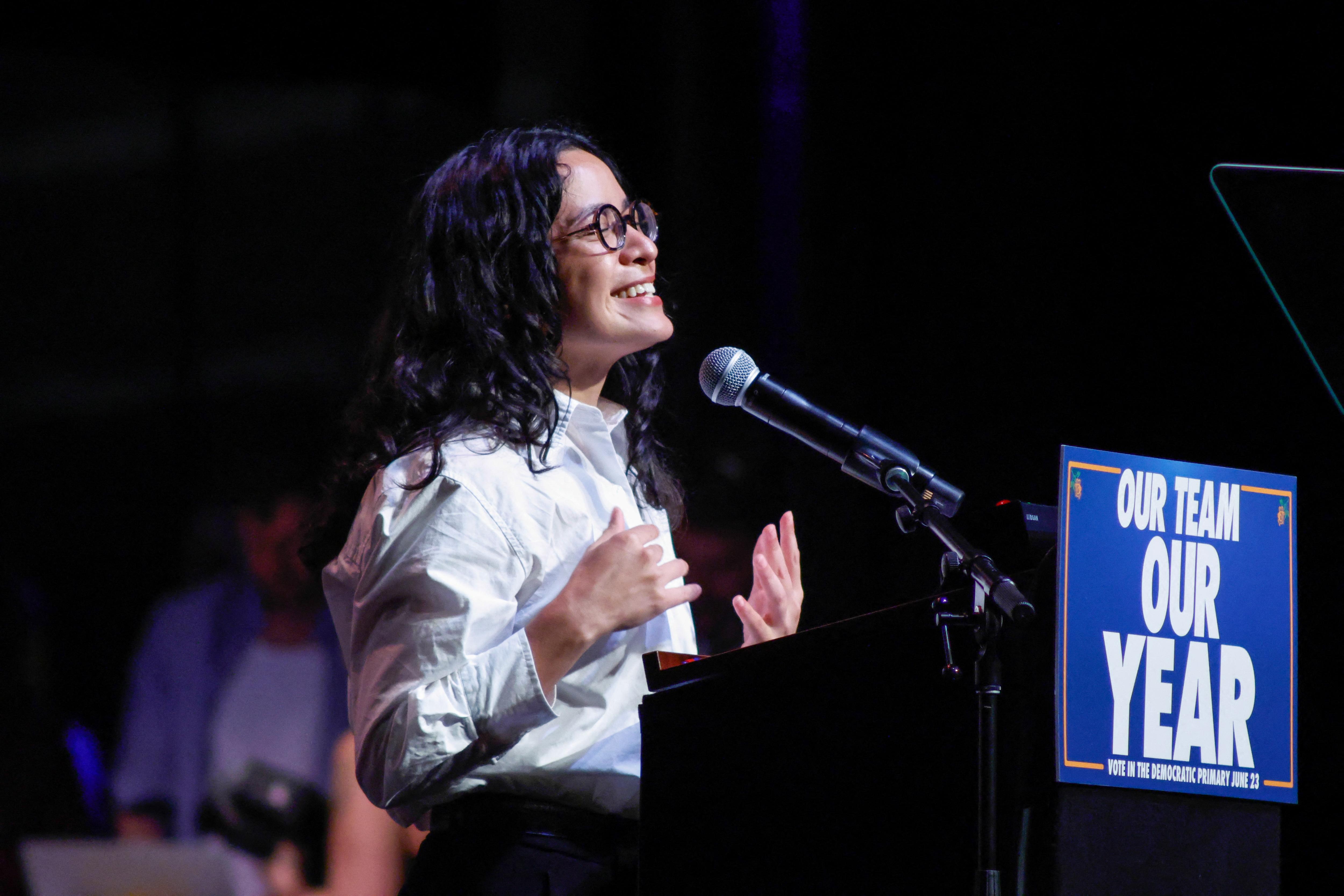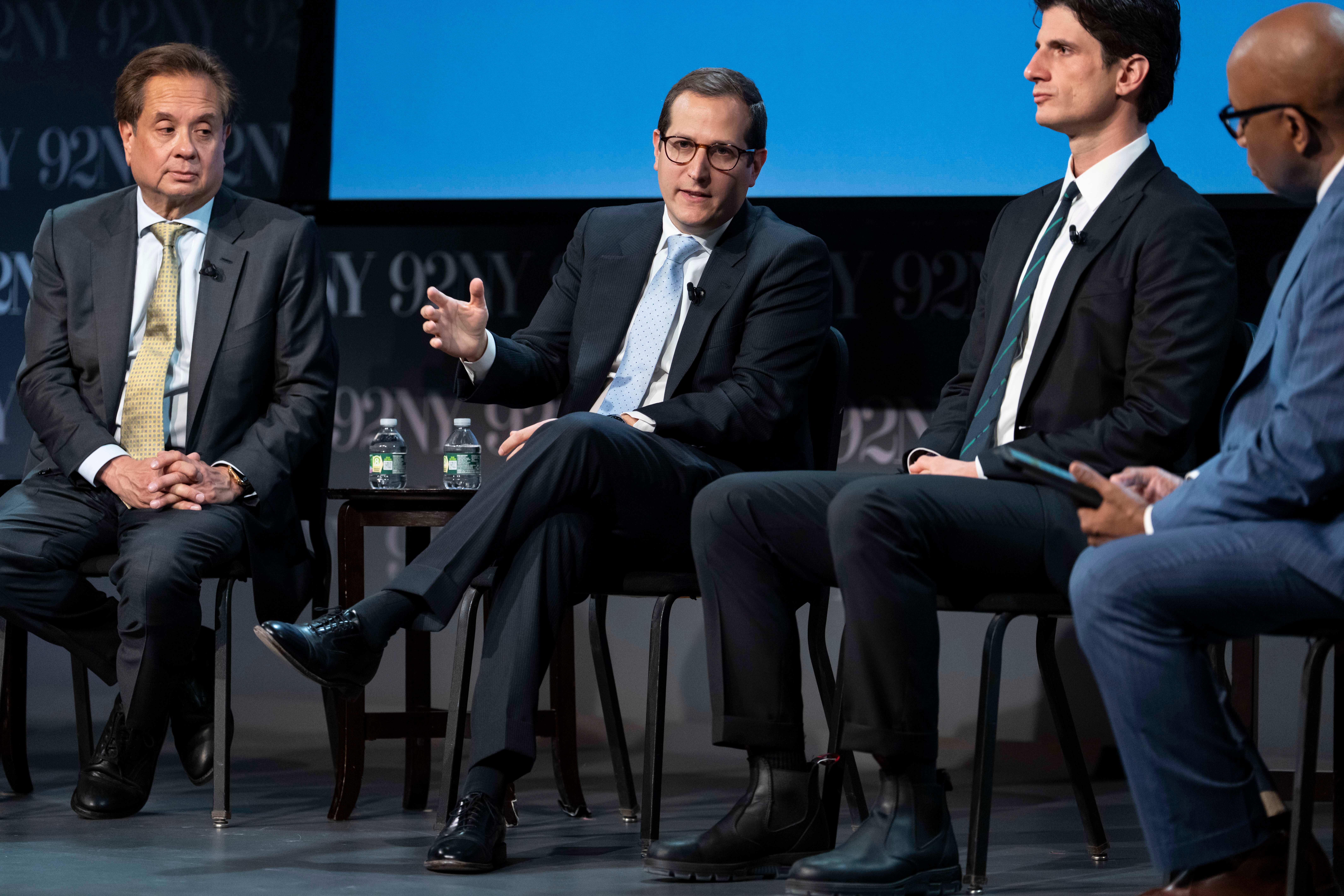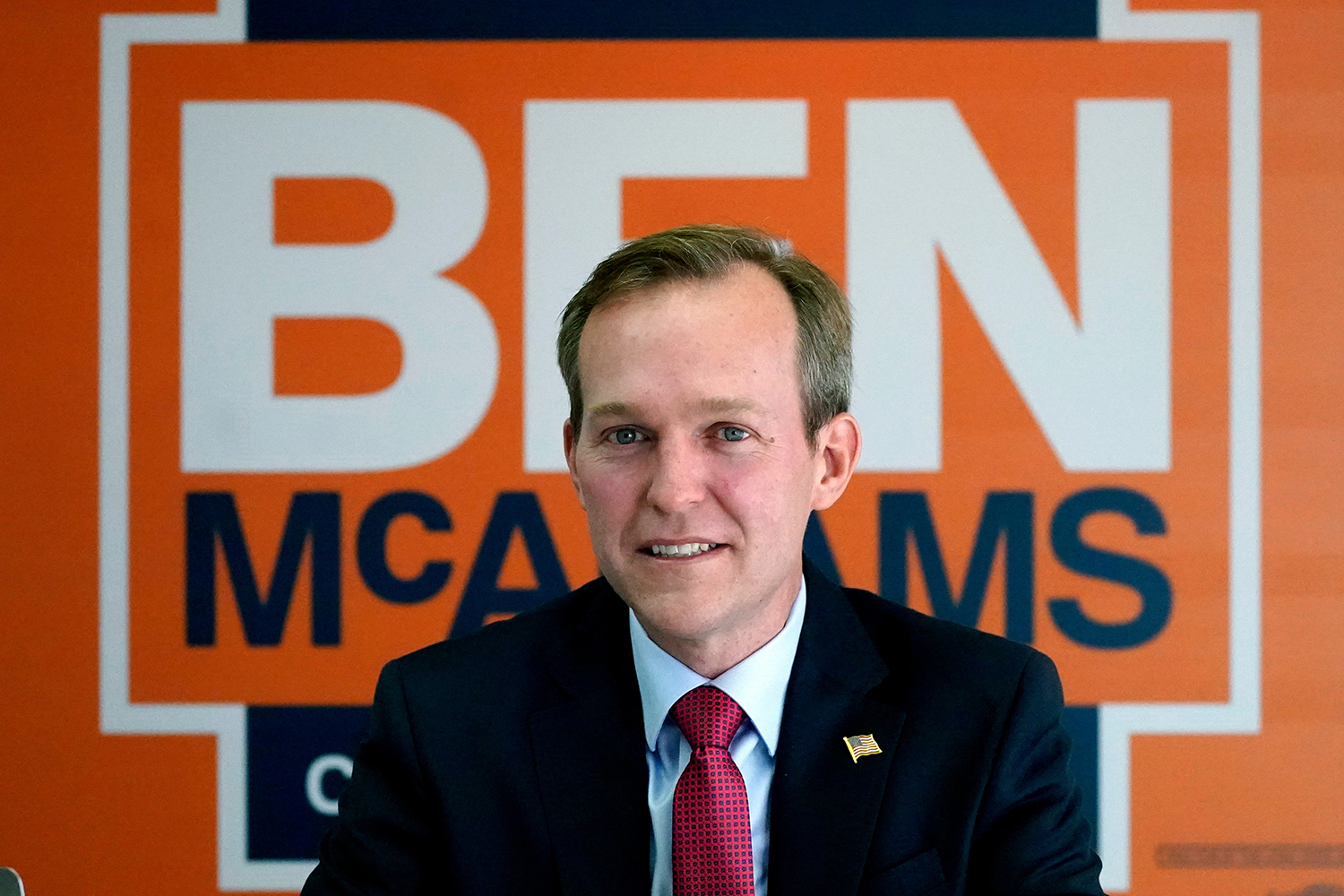
State Assemblymember Alex Bores and state Sen. Andrew Gounardes, both Democrats, urged their congressional counterparts to reject an emerging bipartisan framework that would override state AI safety laws with a federal standard. The negotiations, led by Rep. Jay Obernolte, a California Republican, and Rep. Lori Trahan, a Massachusetts Democrat, threaten to preempt New York's recently enacted RAISE Act and similar legislation passed in California.
"The most recent negotiations over preemption are another attempt to paper over a fundamentally rotten idea," Bores and Gounardes wrote in the letter. They argued that the federal government should not block states from acting while Congress itself has failed to implement a comprehensive approach to address the potential downsides of artificial intelligence.
The RAISE Act, which Bores and Gounardes sponsored, imposes transparency and reporting requirements on advanced AI developers. The law is designed to identify and prevent catastrophic risks posed by cutting-edge models. Bores is also running for Congress to replace retiring New York Democratic Rep. Jerry Nadler, a campaign that has drawn more than $1 million in opposition ads from Leading the Future, a pro-AI super PAC network.
The letter does not mention Obernolte or Trahan by name. Spokespeople for both lawmakers declined to comment on the ongoing discussions.
Friction Over Federal Authority
The push from New York follows a similar letter sent weeks ago by two Massachusetts state legislators, who warned Trahan against making a deal that would block states from regulating AI. According to a report from POLITICO, the negotiations between Trahan and Obernolte center on a narrow preemption of state AI safety laws. The two have struggled to agree on whether a federal transparency and reporting regime for top AI companies should be mandatory, and whether the government should be allowed to slow or block the release of models it deems dangerous.
In a separate statement, Bores said the approach under consideration in Washington would directly undermine the ability of states to protect their residents. The standoff highlights a growing divide between state capitals pushing for swift AI oversight and a Congress that has yet to pass comprehensive federal legislation on the technology.