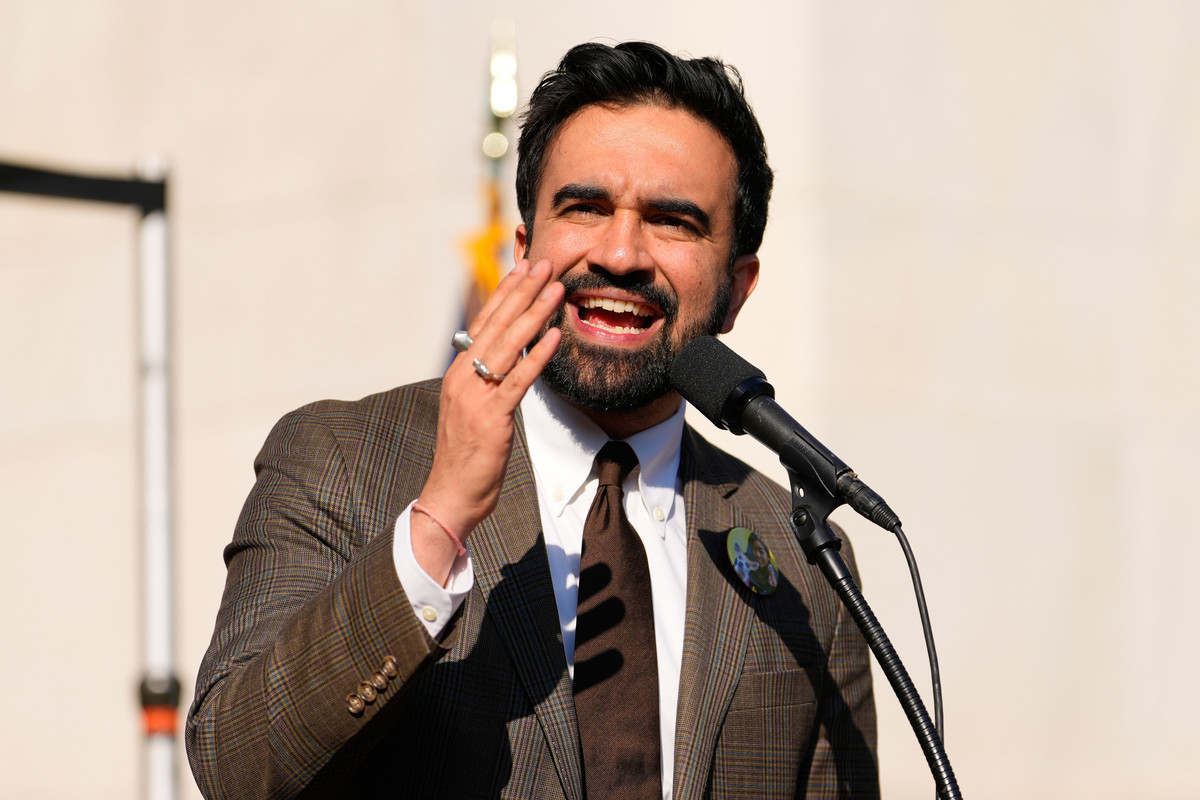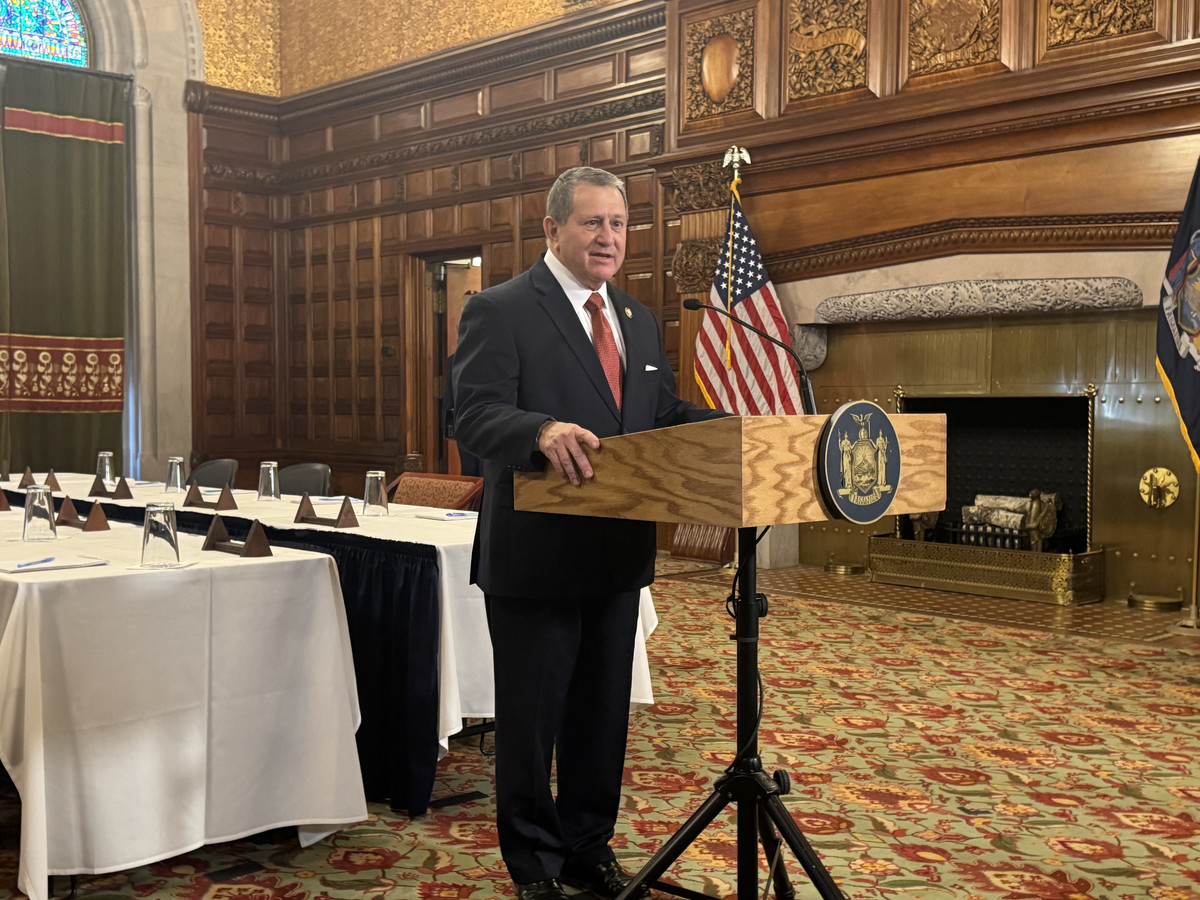
“The voters now understand that this is in some ways an existential threat to the republic,” Morelle said after meeting with Governor Kathy Hochul, describing the urgency behind a new push to rewrite New York’s congressional map before the next presidential election.
The visit marked an escalation in a strategy that New York Democrats have been quietly building since last summer. Party leaders are racing to hold a first vote on a state constitutional amendment before the Legislature adjourns in June, a procedural step that would allow a 2027 referendum and clear the way for new district lines in time for the 2028 cycle. The effort has taken on new intensity in the wake of last week’s Supreme Court decision that weakened the Voting Rights Act, a ruling Democrats say will enable Republican-controlled states to dismantle districts with Black majorities.
“The world has changed dramatically since that bill was introduced,” said Senate Deputy Leader Mike Gianaris, pointing to the shifting legal landscape. The original amendment, proposed last July, focused on modest adjustments to the redistricting timeline. But lawmakers are now discussing more aggressive changes, including stripping the state’s anti-gerrymandering provisions and overhauling how the 2032 redistricting process will function.
Hochul, who has no formal role in passing a constitutional amendment, has openly endorsed a full-scale gerrymander since August. “I don’t feel like I should be handcuffed in a fight for our democracy,” she said before meeting with Morelle. “I’ll not be handicapped in that fight.” Her stance reflects a broader shift among Democrats in Albany and other state capitals, who are taking a more confrontational approach after the Supreme Court ruling.
A Map That Could Reshape the House
New York’s current congressional delegation stands at 19 Democrats and seven Republicans, a ratio that Democrats believe could be dramatically improved. Under a relatively aggressive redrawing, strategists say the GOP delegation could shrink to three seats. The targets include Republican-held districts on Long Island, Staten Island, the Hudson Valley, and one of three upstate seats currently controlled by the GOP. Representative Nicole Malliotakis of Staten Island, Representative Mike Lawler of the Hudson Valley, and several other Republicans could find their districts shifted significantly to the left.
Morelle, who served as majority leader in the state Assembly until 2018, maintains warm relationships with top state leaders. He is now a key figure in Jeffries’ “New York Democracy Project,” a campaign designed to build public support for the amendment ahead of the expected 2027 referendum. The project is intended to avoid the failures of 2021, when Democrats proposed less dramatic changes to the constitutional language on redistricting but lost the vote after the party failed to invest sufficient resources and was caught off guard by a late surge in spending from the Conservative Party.
Had that earlier amendment passed, the maps approved in 2022 could have been far more favorable to Democrats. Party leaders are determined not to repeat that mistake. With a Supreme Court decision that has altered the legal terrain and a narrow House majority hanging in the balance, the push for a new map has become a central priority for New York Democrats, one they believe carries consequences far beyond the state’s borders.