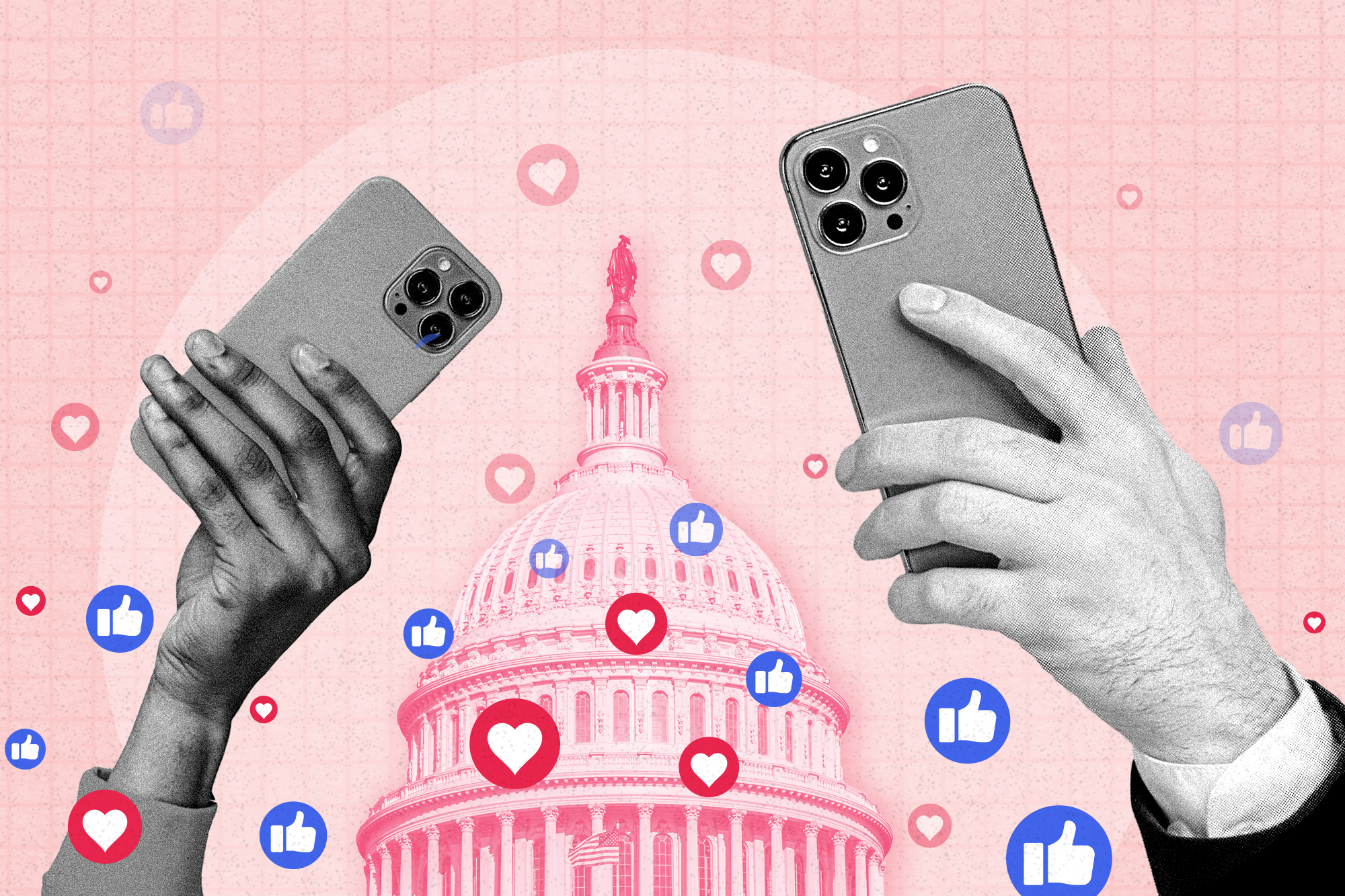
The move, prompted by a panicked call from a lawyer, illustrates the growing anxiety rippling through campaign circles as New Jersey’s data privacy law, the nation’s harshest, prepares to collide with the messy mechanics of American elections.
The law, which took effect in January, was designed to give residents unprecedented control over how corporations collect and sell their personal information. But its broad language has ensnared a new and unexpected class of data processors: political campaigns, party committees, and the consultants who power them. Under the statute, campaigns that improperly handle voter data could face fines of up to $10,000 per violation, a sum that could quickly bankrupt a state assembly race or a local school board bid.
Both Democrats and Republicans are now scrambling to understand their exposure. The law’s definition of “sale” of data is so expansive that it could apply to the common practice of campaigns renting or trading voter lists with allied organizations. Political operatives fear that routine activities, such as sharing a supporter list with a get-out-the-vote group or using third-party data brokers to target ads, could trigger penalties.
The concern is not theoretical. New Jersey’s attorney general has signaled an intent to enforce the law vigorously, and consumer privacy advocates have already filed complaints against companies in other sectors. Political campaigns, which have long operated in a regulatory gray area regarding data use, now face the prospect of being treated like any other commercial entity.
“This is a landmine for every campaign in the state,” one Republican strategist told The Chronicle Page, speaking on condition of anonymity to discuss internal compliance fears. The strategist noted that most campaign staffers lack the legal infrastructure to audit their data practices, relying instead on spreadsheets and rented software that may not comply with the law’s requirements for user consent and data deletion.
State lawmakers are now facing pressure to carve out an exemption for political activity, a move that privacy advocates argue would gut the law’s intent. “The whole point was to protect people from having their data weaponized,” said a senior staffer at a digital rights group. “Campaigns are some of the worst offenders when it comes to opaque data collection.”
An Unlikely Bipartisan Headache
The law’s impact has created an unusual moment of bipartisan alignment. Democratic and Republican operatives alike have privately warned party leaders that without a legislative fix, the 2025 election cycle could see a wave of inadvertent violations. Some consultants have already begun advising clients to minimize digital outreach, reverting to door-knocking and phone banking to avoid digital footprints that could be audited.
Whether the state legislature will act before the next primary remains uncertain. For now, the law stands as a stark test of whether the push for consumer privacy can coexist with the data-hungry machinery of modern political campaigns. And in that office park outside Trenton, the deleted voter lists serve as a quiet warning: the rules of the game have changed, and no one is sure who will be the first to pay the price.