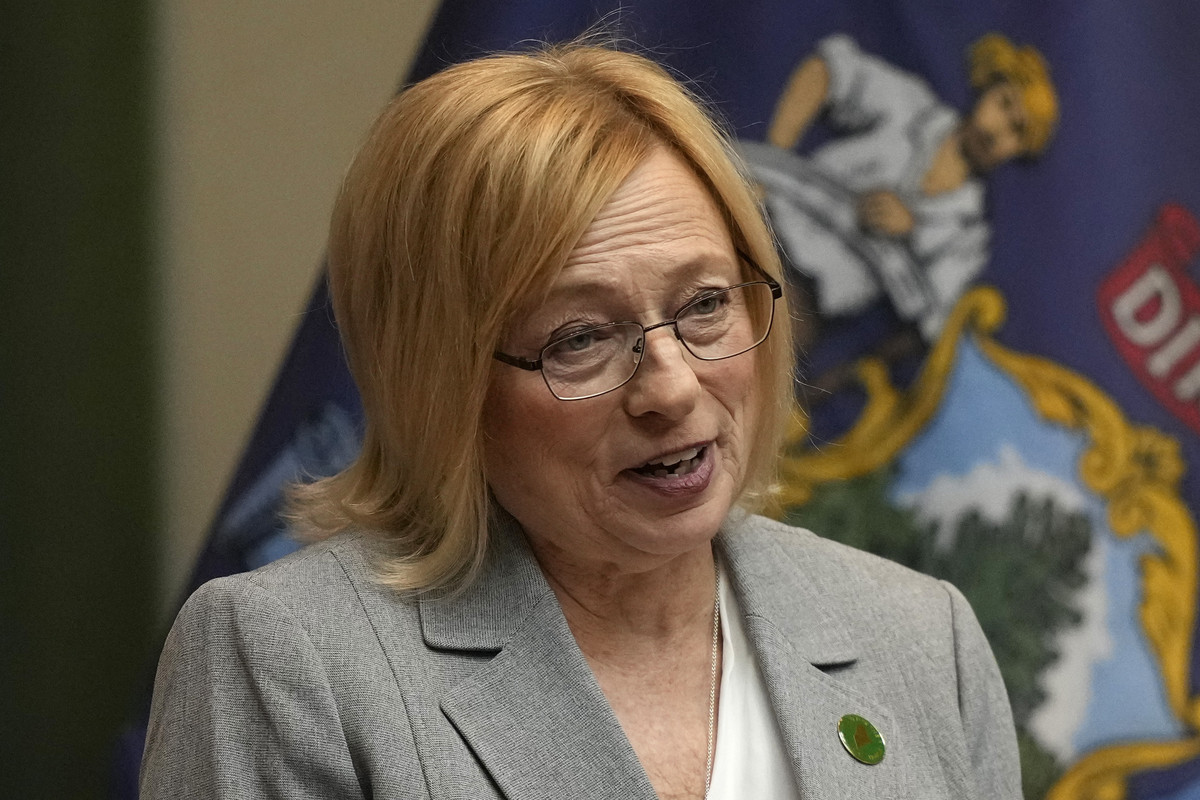
The veto came after months of debate over the sprawling facilities, which have drawn increasing scrutiny for their voracious energy consumption and environmental footprint.
The legislation would have imposed a moratorium on data center construction until November 2027. In her veto message, Mills, a Democrat, wrote that she broadly supports the concept of a pause, citing the well-documented strain these facilities place on electricity grids and local environments in other states. However, she stated she could not approve the bill because it lacked a critical exemption for a specific redevelopment project in the town of Jay.
Jay, a community in southern Maine, has struggled economically since the closure of a local paper mill in 2023. Town officials have spent two years working on a $550 million data center project intended to revitalize the former mill site. “After prior redevelopment efforts failed, the Town of Jay worked for two years on a $550 million data center redevelopment project to finally bring jobs and investment back to the mill site,” Mills wrote in her letter to lawmakers.
Instead of signing the moratorium, the governor announced she would issue an executive order establishing a council to study the impacts of data centers across Maine. She also signed a separate bill that prohibits data center projects from receiving the state’s business development tax incentive programs, signaling a middle ground between a full ban and unfettered expansion.
National Political Divide Over Data Centers
The veto places Maine at the center of a rapidly escalating national debate. As the tech industry pours billions into new server farms to power artificial intelligence and cloud computing, both Democratic and Republican lawmakers are grappling with how voters perceive the facilities ahead of the midterm elections. Concerns over rising electricity prices and environmental degradation have turned data centers into a potent political issue.
Some Democratic candidates in key battleground districts have embraced moratoriums as a campaign platform, forcing incumbents to take tougher stances. This trend gained momentum after several Democratic candidates successfully campaigned against rising utility costs last year, including Virginia Governor Abigail Spanberger and New Jersey Governor Mikie Sherrill. In response, the tech industry has spent millions of dollars on public relations campaigns to improve the image of data centers before the upcoming elections.
A spokesperson for Mills declined to comment further, directing inquiries to the governor’s letter to the legislature. The fate of the Jay project now hangs in the balance, as local officials await clarity on how the new executive order and tax incentive restrictions will affect their redevelopment plans.