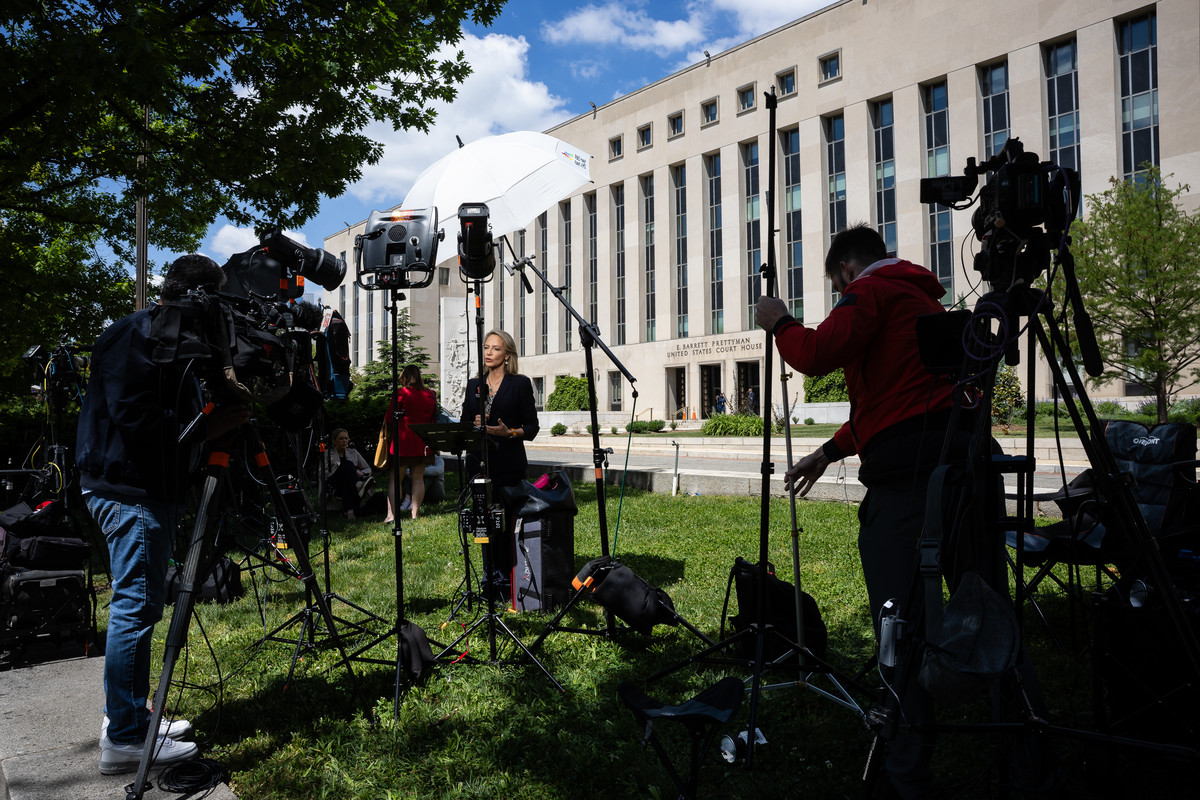
U.S. District Judge Rita Lin issued the order just days after Justice Department lawyers argued that the appeal should be frozen until a separate case involving Anthropic and the Pentagon is resolved by the D.C. Circuit Court of Appeals.
Judge Lin was not persuaded. She wrote in her order that the D.C. case was filed under a different statute, making it “speculative, at best, that the D.C. Circuit’s decision will simplify matters in this action.” The ruling forces the government to proceed with compiling records for the appeal, though Lin granted a concession: the government will have four weeks to gather materials from the 16 other agencies named in Anthropic’s lawsuit, rather than the two months it had requested.
The legal fight stems from a quirk in federal law that forced Anthropic to file parallel lawsuits in both Northern California and the D.C. Circuit after the Pentagon designated the firm a supply chain risk. On April 8, a three-judge panel in Washington rejected Anthropic’s request to pause that designation, creating a split between the two courts. The California ruling from March that temporarily blocked the designation remains the subject of the current appeal.
The Justice Department had argued that an extended pause was necessary to avoid inconsistent outcomes. But Lin found that the government’s lawyers failed to provide sufficient evidence that they needed the full two months to assemble an administrative record. She determined that an additional four weeks would be adequate for the task.
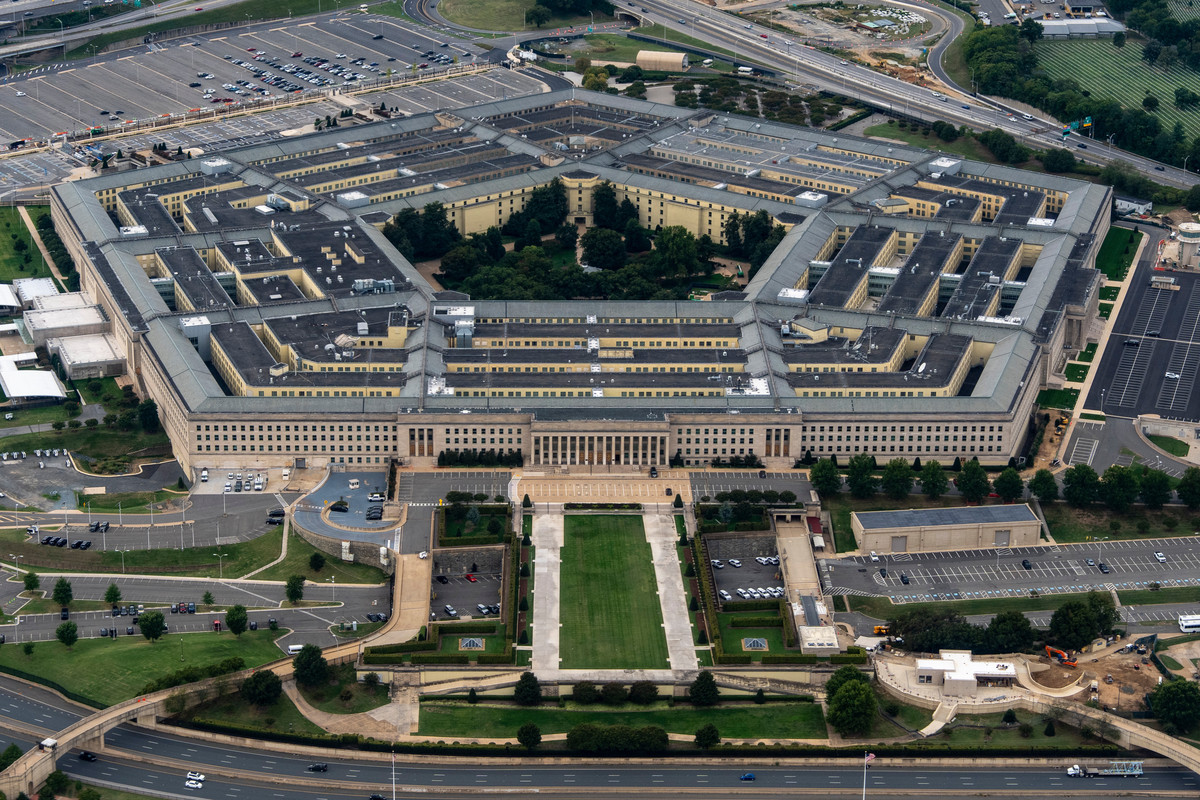
The Pentagon and Anthropic have been locked in a dispute over the supply chain risk label, which carries significant implications for the company’s ability to contract with the federal government. The designation touches on national security concerns, as the Pentagon increasingly relies on AI tools for defense operations. Anthropic has pushed back aggressively, arguing that the label is unwarranted and damaging to its business.
Signs of a Thaw
This latest development in the legal struggle comes as the administration has shown growing signs that it is seeking to reconcile with the AI firm. Staff at federal agencies including the Commerce Department and the National Institute of Standards and Technology have signaled a potential shift in approach, even as the litigation continues. The Justice Department did not immediately respond to a request for comment, and Anthropic also declined to comment.
The case is being closely watched in the technology sector as a bellwether for how the federal government will treat AI companies under supply chain security rules. With the appeal now moving forward, both sides are preparing for what could be a protracted legal battle over the boundaries of Pentagon authority in the emerging AI industry.