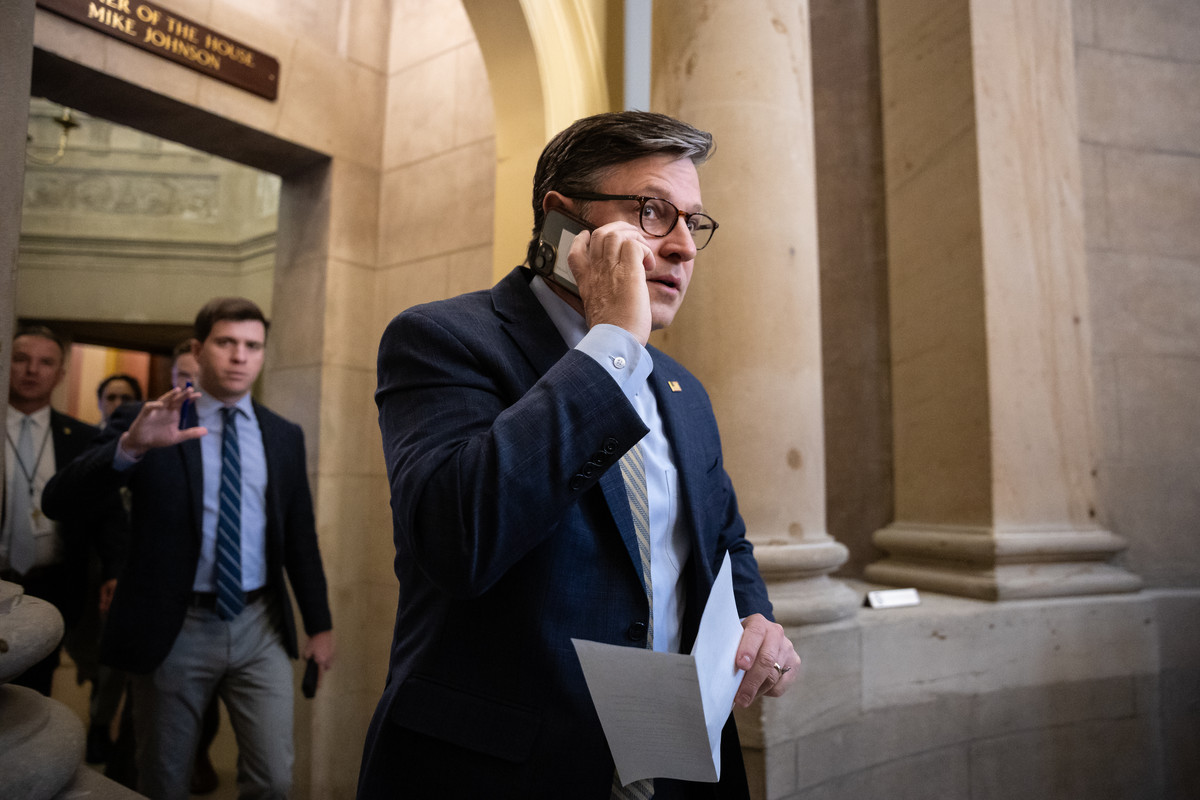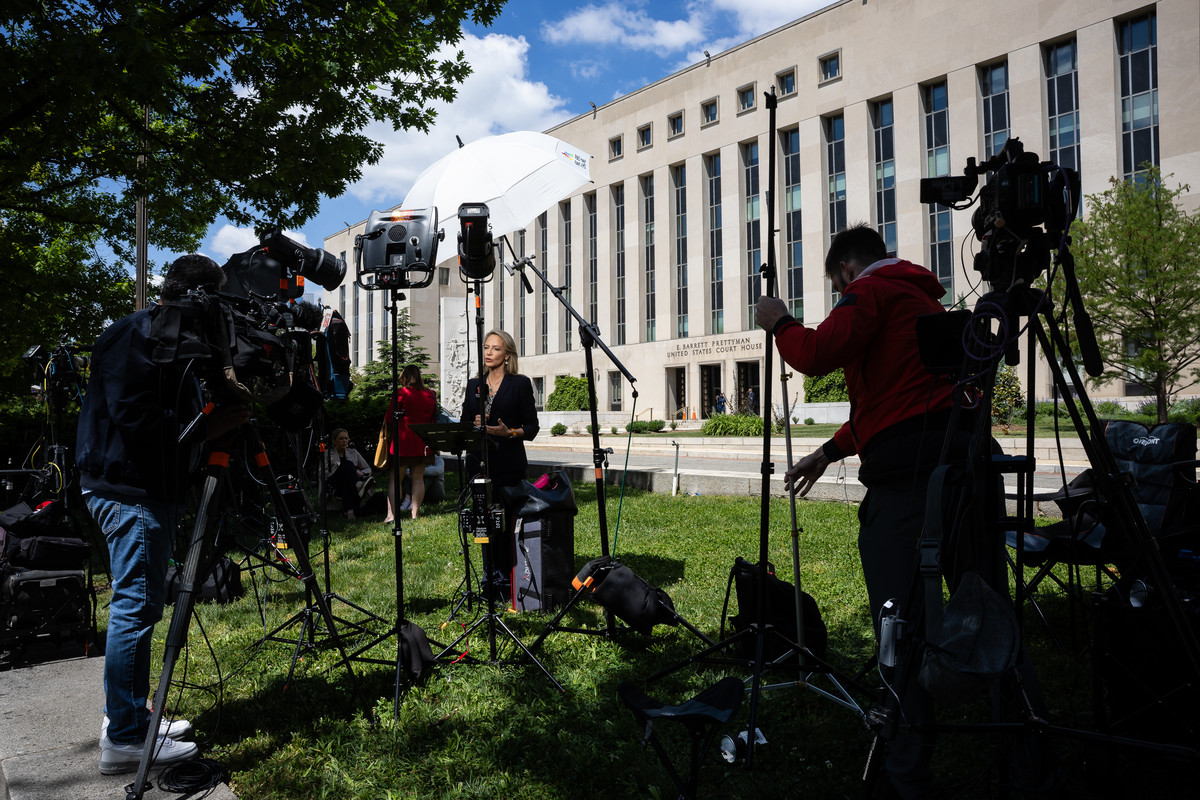
He was led into the E. Barrett Prettyman U.S. Courthouse by federal marshals as journalists gathered outside, the latest chapter in a narrowly averted tragedy that has shaken the capital.
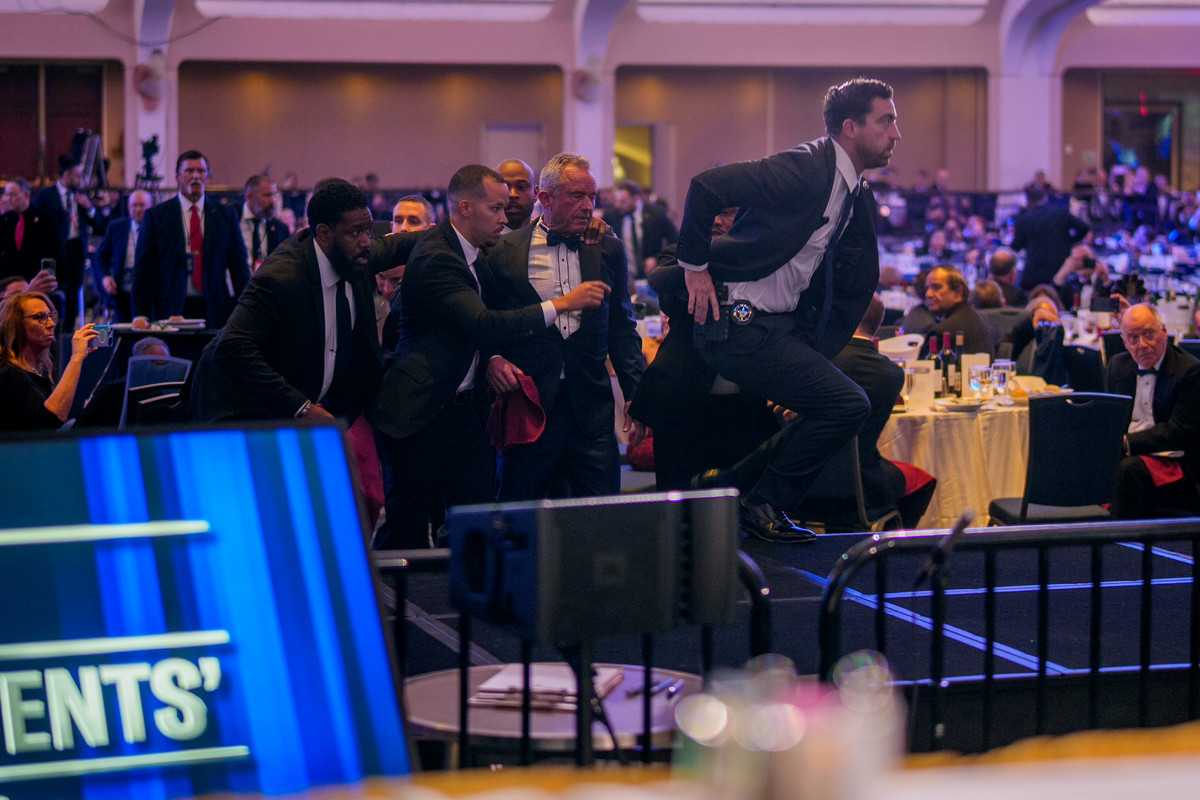
Allen is accused of charging past magnetometers at the Washington Hilton, where President Donald Trump, Vice President JD Vance and much of the Cabinet were seated inside the main ballroom. Law enforcement officials said he was subdued by Secret Service agents and police officers within seconds, before he could reach the floor where the dinner was taking place. He faces federal charges related to the attempted attack.
The episode has ignited fresh debate over political violence and radicalization, as well as the security protocols surrounding a president who has already survived two previous assassination attempts. The Trump administration has insisted that the security measures for the dinner were sufficient and executed without flaw, but the incident has raised pointed questions about the vulnerability of the annual event itself.
The Washington Hilton remained partially open to the public and hotel guests on the night of the dinner. Investigators have determined that Allen booked a room at the hotel in advance, a move that allowed him to bypass the Secret Service sweep of the venue. He is also believed to have traveled across the country by train with his weapons, a route that has drawn scrutiny to the screening procedures used by Amtrak.
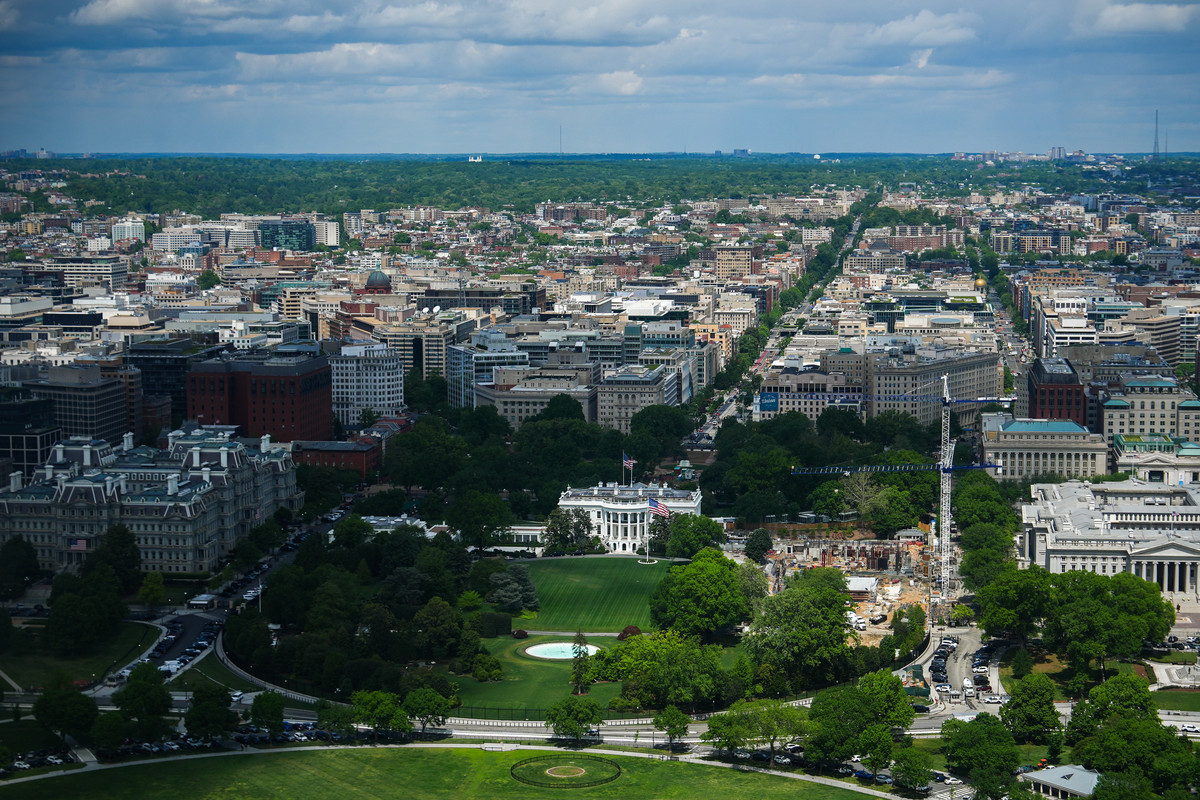
The attack has already reshaped the political conversation around the White House ballroom project, a long planned renovation that Trump and his allies have cast as an essential security upgrade. Within hours of the shooting, Trump argued publicly that completing the ballroom, with its state of the art security features, was a necessary response to a dangerous political environment.
Ballroom battle intensifies after attack
A federal judge recently paused construction on the ballroom, ruling that the mega project required congressional approval, though he allowed underground security work to continue. Last week, a federal appeals court paused that order, permitting construction to move forward while the appeal is heard. The Justice Department has now demanded that the group that sued to halt the ballroom withdraw its case, citing the new threat on the president’s life.
Allen’s court appearance marks the formal beginning of a criminal case that will test the government’s ability to prosecute a would be assassin in an era of heightened polarization. It also leaves the future of the White House Correspondents’ Dinner itself uncertain, as organizers and security officials weigh whether the event can be safely held in a hotel that remains open to the public.