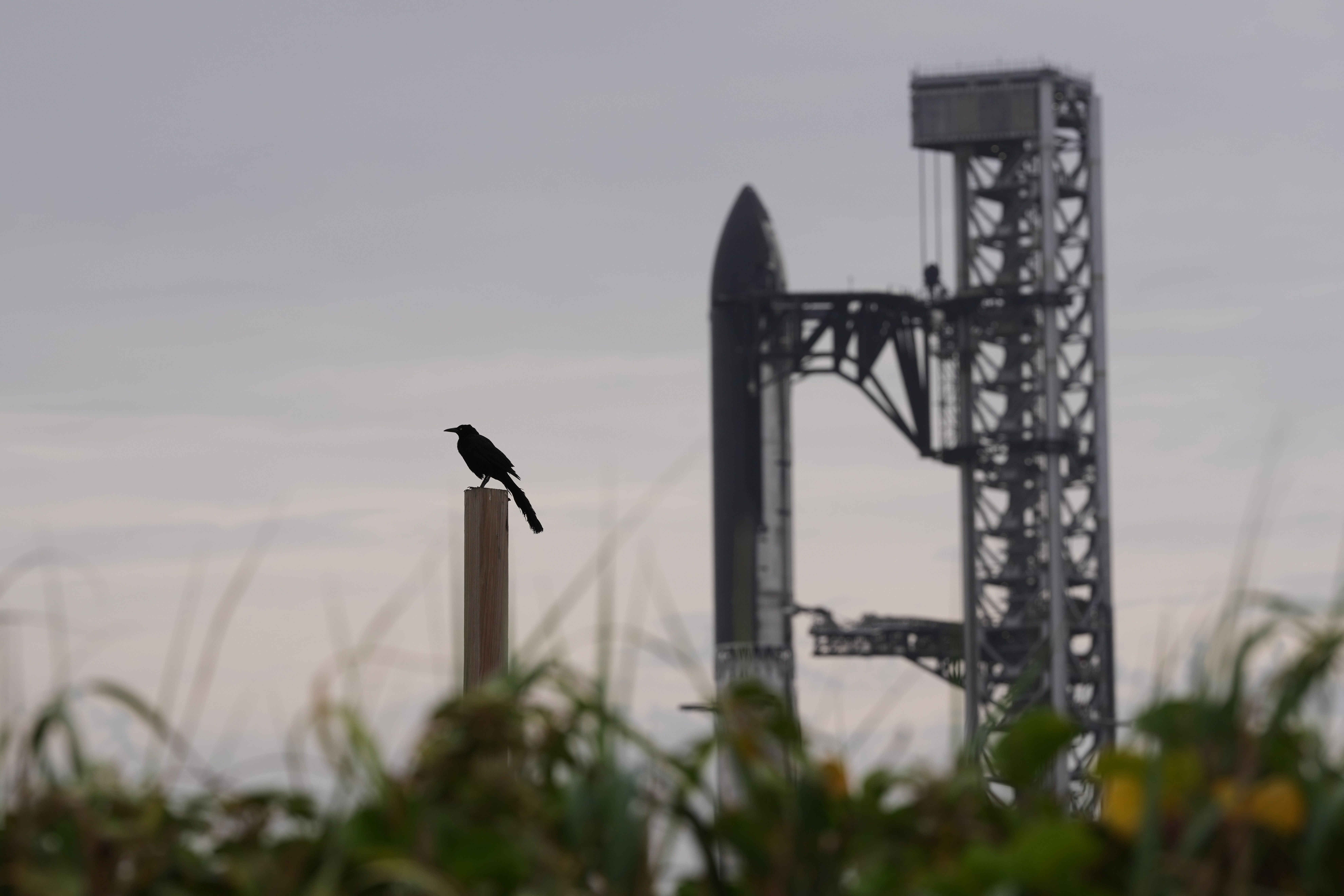
The state has spent years courting private space firms like SpaceX with a suite of tax rebates and infrastructure promises, but the most significant boost may now come from Washington, where federal regulators have proposed a rule that would strip away a key layer of oversight for new launch sites.
The Federal Aviation Administration’s draft proposal, quietly released last month, would allow spaceports to bypass comprehensive environmental impact statements under certain conditions. If finalized, the rule would remove a hurdle that industry officials have long described as a costly and time-consuming barrier to expansion, potentially accelerating Louisiana’s plans to transform a dormant NASA facility into a commercial orbital hub.
The state’s pitch has centered on the Michoud Assembly Facility in New Orleans, a sprawling complex that once built the Saturn V rocket’s stages and now serves as a manufacturing site for NASA’s Space Launch System. Local leaders have argued that the existing infrastructure, combined with deep-water port access and proximity to the Gulf of Mexico, makes the region ideal for vertical launches, a claim that has drawn interest from at least two major aerospace contractors.
Louisiana’s legislative package, passed with bipartisan support in 2023, offers companies a 25-year exemption from state income and franchise taxes, along with rebates on construction materials and payroll. The incentives are among the most aggressive in the country, and state officials have framed the spaceport project as a generational opportunity to diversify an economy still heavily reliant on oil and gas.
Regulatory Shift Draws Praise and Concern
The FAA’s proposal, which would apply to launch sites on federal land or those receiving federal funding, has been welcomed by industry groups and southern lawmakers who argue that the current review process duplicates state-level assessments. They point to delays at existing spaceports in Texas and Florida, where environmental studies have taken up to four years and cost millions, as evidence that the federal bureaucracy is stifling innovation.
Environmental advocates, however, have warned that waiving reviews could jeopardize fragile coastal ecosystems, including the wetlands that buffer Louisiana’s shoreline from hurricanes. The proposed rule would still require a less rigorous environmental assessment, but critics contend that such analyses often understate cumulative impacts on air quality, wildlife, and nearby communities, particularly those already burdened by industrial pollution.
For Louisiana, the stakes are existential. The state has lost more than 2,000 square miles of land to coastal erosion over the past century, and a launch site would add industrial activity to a region already dotted with petrochemical plants. Yet supporters argue that the economic upside, including an estimated 1,500 permanent jobs and a potential influx of ancillary businesses, outweighs the risks, especially as the federal government signals a willingness to ease the path for commercial spaceflight.
The FAA is accepting public comments on the proposal until early next year, and a final decision is expected before the end of 2025. If approved, Louisiana’s spaceport could break ground as soon as 2027, placing the state in direct competition with established launch hubs in California and Alaska, and marking a new chapter in the commercial race to orbit.