The Department of Justice has asked a federal judge to temporarily freeze its own appeal, a tactical move that underscores the complex judicial web now entangling the government's attempt to regulate cutting-edge AI.
The request, filed Wednesday, asks U.S. District Judge Rita Lin to suspend proceedings until a separate panel of judges in Washington, D.C., rules on a nearly identical case. Justice Department lawyers argued that the D.C. Circuit's forthcoming decision could render the California appeal unnecessary, potentially streamlining a contradictory legal landscape. The government's motion indicates a desire to avoid briefing "nearly identical issues" in two courts simultaneously.
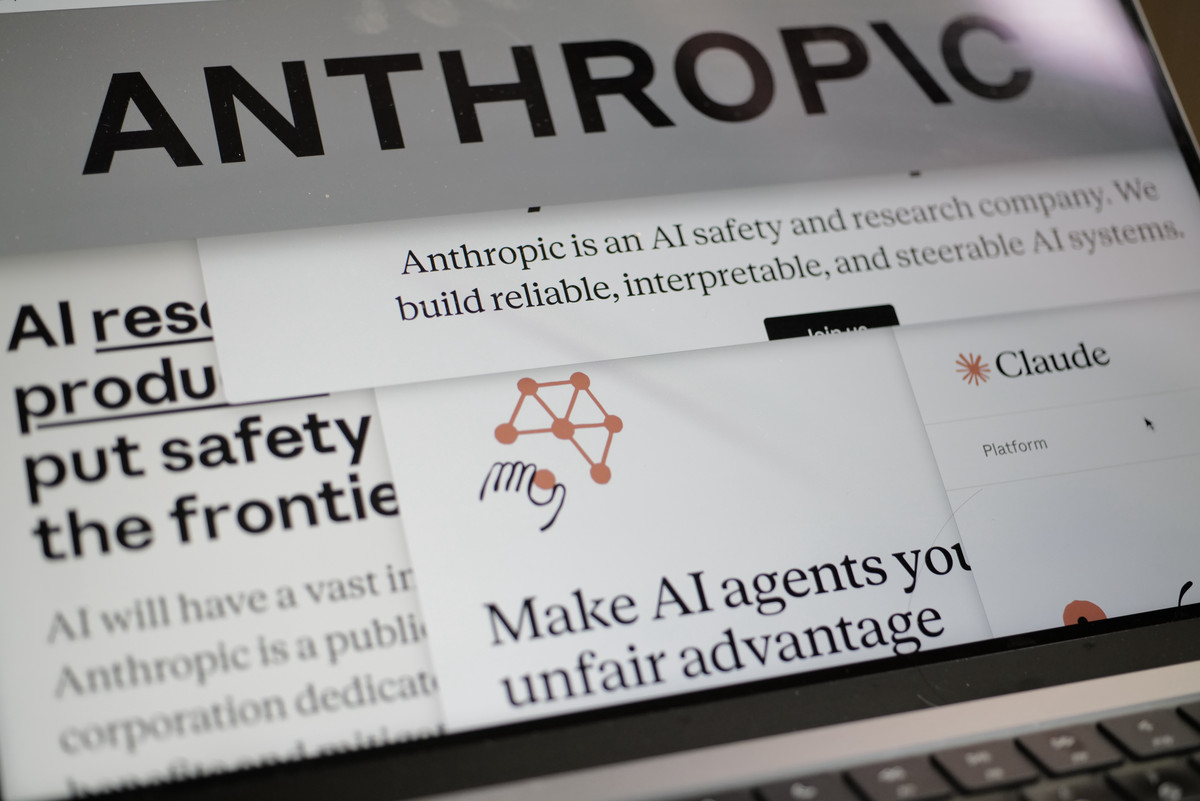
This procedural knot stems from a March ruling by Judge Lin that temporarily blocked the federal government from designating Anthropic as a national security supply chain risk. The government launched its appeal earlier this month, seeking to overturn that injunction. The designation, if ultimately upheld, would impose significant restrictions on the AI startup's operations and partnerships.
An unusual split in federal law forced Anthropic to file parallel challenges in both Northern California and the D.C. Circuit when it initially fought the government's action. This led to a conflicting outcome: while Judge Lin blocked the designation, a three-judge D.C. Circuit panel rejected Anthropic's request for a similar pause on April 8. That court has since agreed to an expedited review, with oral arguments scheduled for May 19.
A Broader Push for Access
The legal maneuvering occurs against a backdrop of intense federal interest in Anthropic's technology. Multiple agencies are actively working to gain greater access to Anthropic's powerful new Mythos AI model, according to sources familiar with the matter. These efforts are reportedly complicated by the ongoing litigation and the involvement of the Defense Department, which has a keen interest in the model's capabilities and potential vulnerabilities.
Anthropic's legal team did not consent to the government's motion to pause the appeal, court documents show. The company intends to file a formal response after reviewing the Justice Department's filing. A spokesperson for Anthropic did not immediately return a request for comment on the latest development.
The outcome of these intertwined cases will set a significant precedent for how the U.S. government can assert national security authority over the domestic AI sector. The Justice Department's decision to hit pause suggests it is recalculating its legal strategy in a field where regulatory frameworks are struggling to keep pace with technological advancement.