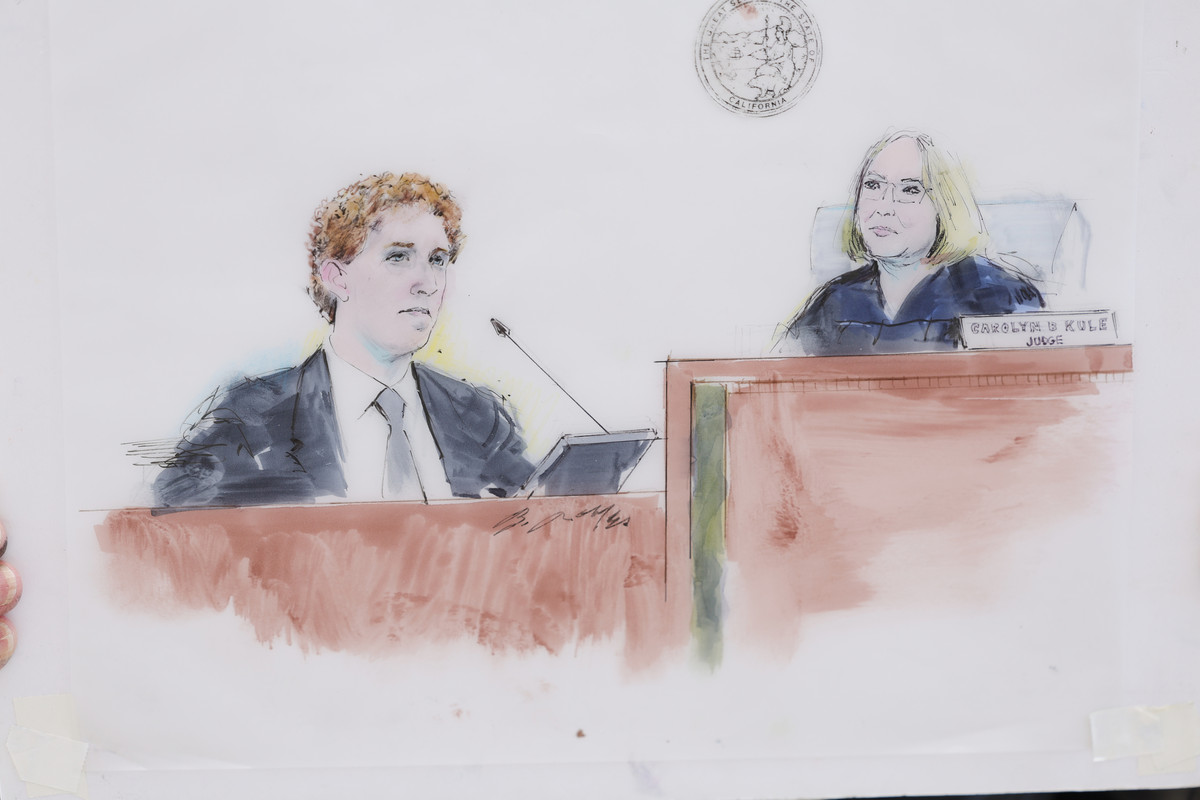
Less than a day earlier and a state away, another jury found a social media giant liable for failing to protect young users from sexual predators.
The back-to-back legal defeats for Meta and Google-owned YouTube represent a sudden shift in fortune for an industry long accused of prioritizing growth over user safety. For over a decade, these companies have assured the public their products are safe for minors, even as internal concerns mounted.
The verdicts conclude two separate trials that could preview a wave of litigation. In New Mexico, a jury found Meta must pay $375 million for creating an environment that facilitated child predation. In Los Angeles, jurors awarded a total of $6 million in damages against Meta and YouTube in a case centered on social media addiction.
A Mounting Legal Onslaught
Critics of the industry see the twin decisions as a tipping point. "This is Big Tech's 'Big Tobacco' moment," said Sacha Haworth of the Tech Oversight Project, referring to the Los Angeles outcome. New Mexico Attorney General Raúl Torrez said the message to companies is clear: "It's time to change the way these companies do business."
The companies have vowed to appeal and defended their safety efforts. A Meta spokesperson stated that teen mental health is "profoundly complex and cannot be linked to a single app," while YouTube argued its platform is more akin to streaming video than social media. Meta President Dina Powell McCormick said she "respectfully disagrees" with the addiction verdict.
Despite the legal blows, the firms' immense financial resources provide a formidable buffer. Meta reported $201 billion in revenue last year, and YouTube's parent company, Alphabet, recently posted annual revenues exceeding $400 billion. This wealth has historically allowed them to weather regulatory and political challenges.
The verdicts nonetheless open a new front of vulnerability. They come as the industry faces a growing patchwork of state laws and federal scrutiny aimed at curbing the alleged harms of algorithmically driven platforms designed for maximum engagement.
For now, the courtrooms have delivered a verdict that Congress and regulators have long debated. The jury decisions affirm a core claim of plaintiffs and prosecutors: that the platforms' designs can cause demonstrable harm, setting a precedent that could reshape the legal landscape for Silicon Valley.