On Wednesday, a Los Angeles Superior Court jury concluded that Meta and YouTube negligently designed their platforms with addictive features that caused significant harm to a teenage user, marking a seismic shift in the legal landscape for the technology industry.
The verdict, reached after more than a week of deliberations, sided with a plaintiff identified in court documents as K.G.M., a now 20-year-old California woman. Jurors determined that the compelling design of platforms like Instagram, Facebook, and YouTube fueled her excessive use as a teenager, worsening her depression and suicidal thoughts. The jury assigned 70 percent of the responsibility to Meta and 30 percent to YouTube, ordering them to pay K.G.M. $3 million in compensatory damages.
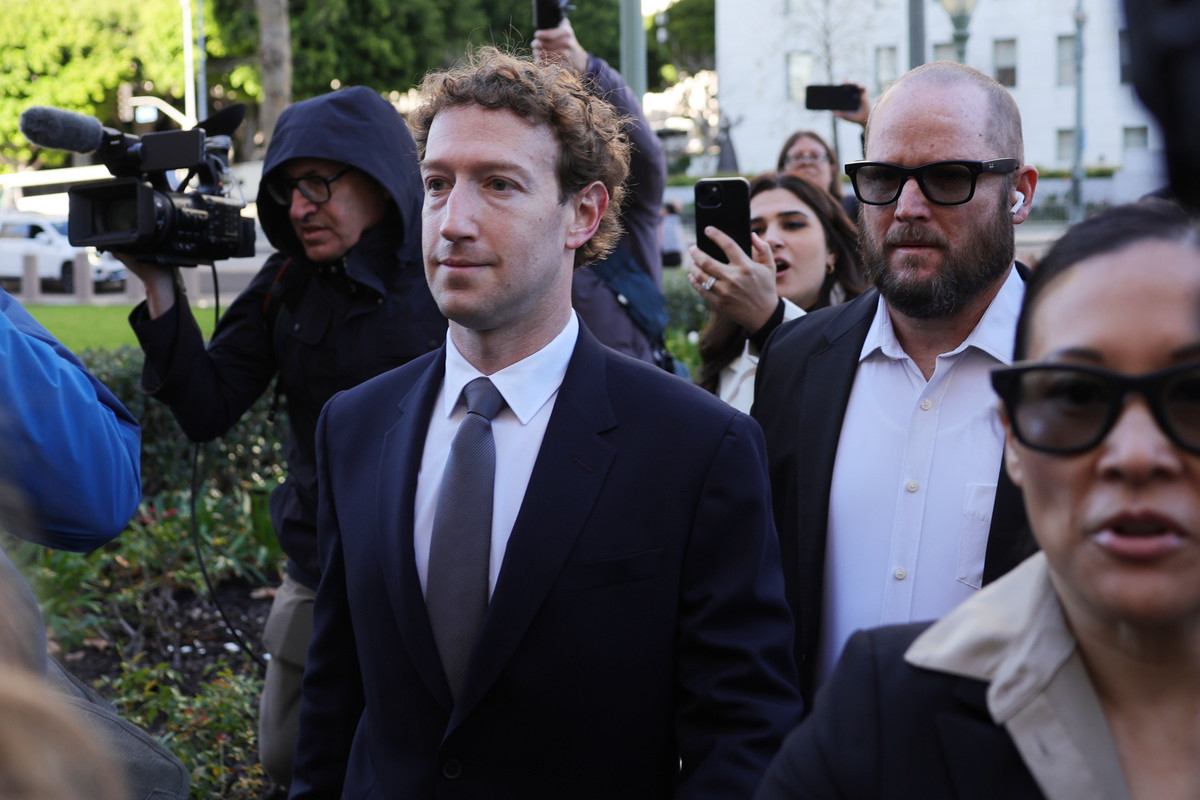
This landmark decision follows a weeks-long trial that featured testimony from top executives, including Meta CEO Mark Zuckerberg. It arrived just one day after a separate jury in New Mexico found Meta liable for endangering children and misleading the public, imposing $375 million in civil penalties. Plaintiff attorneys for K.G.M. called the California verdict a "referendum" signaling that "accountability has arrived" for the social media industry.
In statements, both companies indicated they would challenge the ruling. A Meta spokesperson said the company respectfully disagreed and was evaluating its legal options. José Castañeda, a spokesperson for Google, YouTube's parent company, said the platform plans to appeal and argued the case "misunderstands YouTube, which is a responsibly built streaming platform, not a social media site."
A Bellwether for Hundreds of Cases
The implications of the verdict extend far beyond a single plaintiff. For decades, tech platforms have operated under broad federal liability shields enacted in the internet's early days. This ruling suggests those protections may no longer be an impenetrable legal barrier when it comes to allegations of harmful product design.
The Los Angeles case is a bellwether for a massive litigation front. It is directly linked to hundreds of similar lawsuits involving more than 1,600 plaintiffs, including California school districts and families who allege social media platforms have caused a youth mental health crisis. Social media companies Snap and TikTok, which were also initially named in the K.G.M. lawsuit, settled days before the trial began.
The trial is not yet complete. A next phase will determine the amount of punitive damages Meta and YouTube must pay and could result in court orders mandating changes to platform features. The final outcomes will be closely watched by regulators, advocates, and an industry now facing unprecedented legal scrutiny over its core business practices.