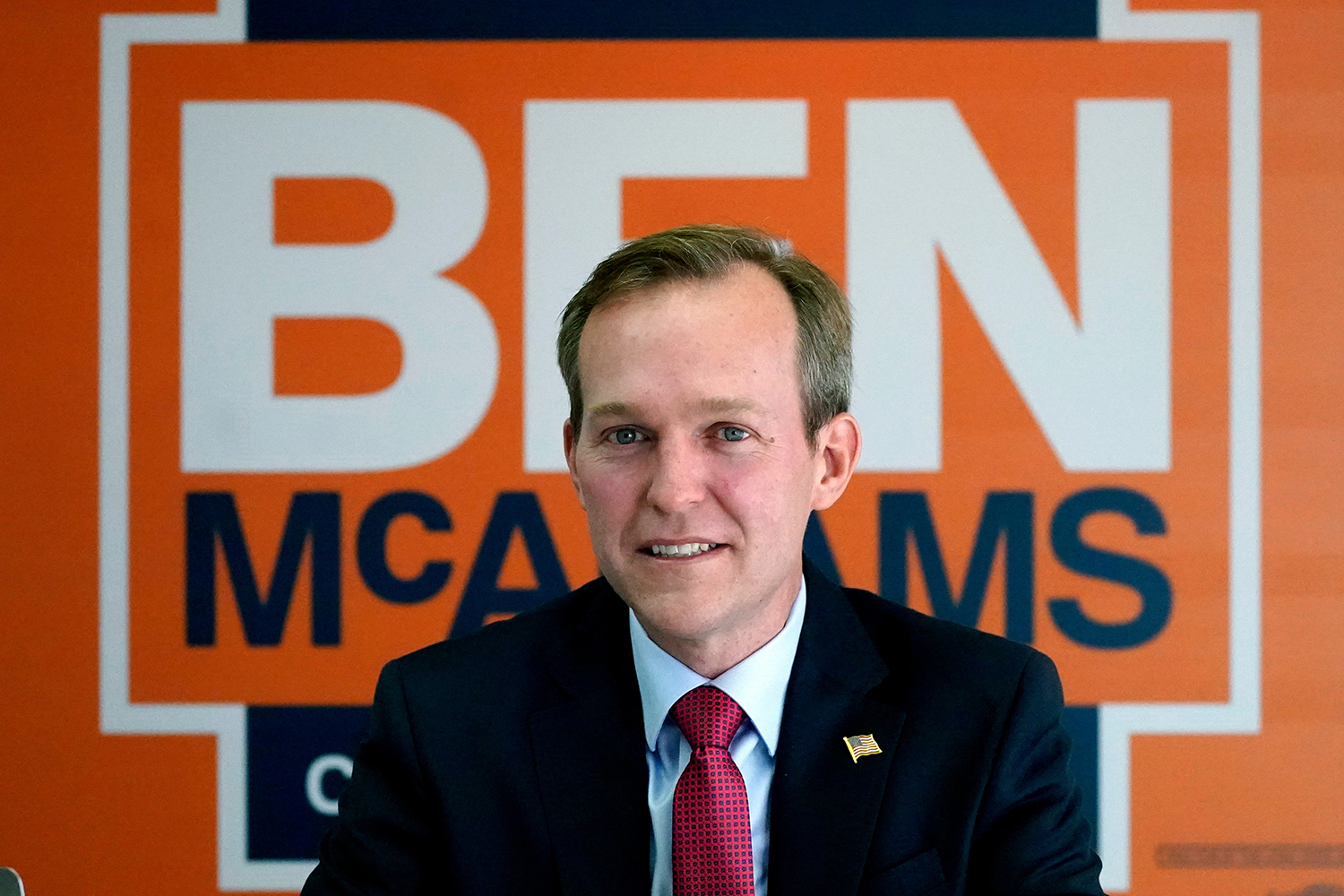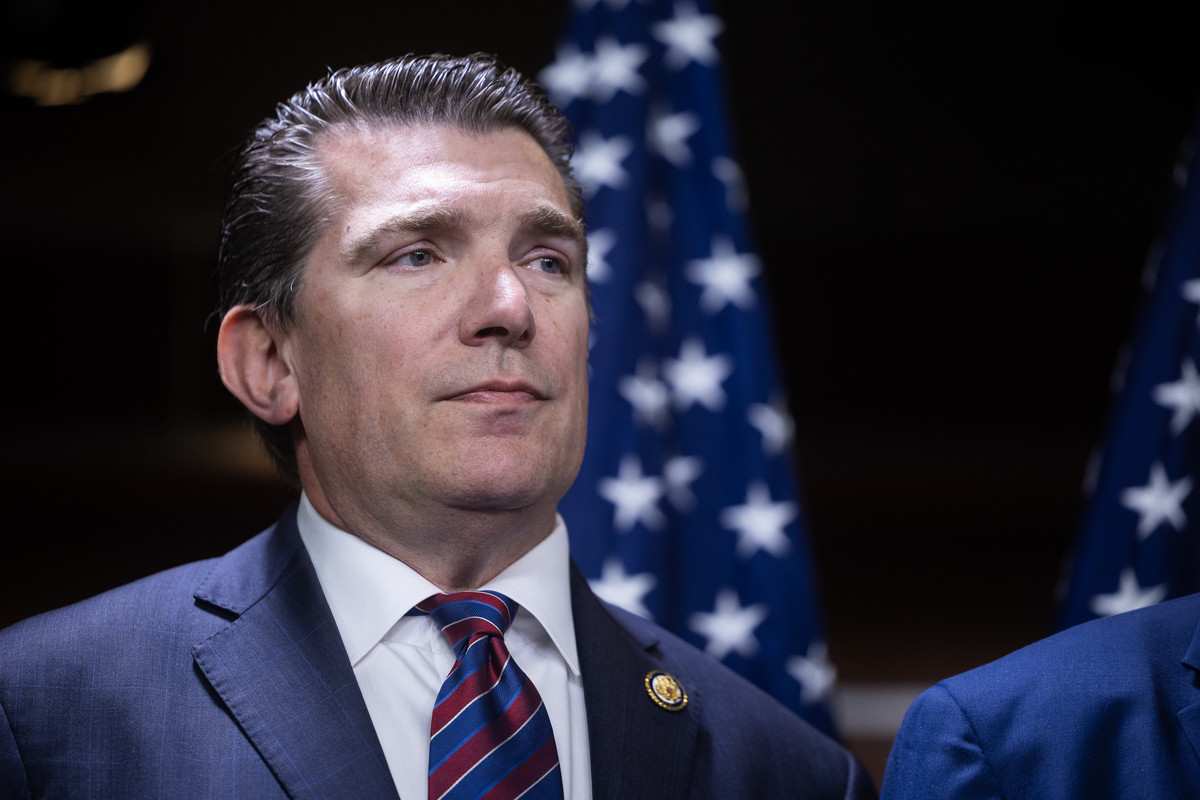
Representative Jay Obernolte and Representative Lori Trahan had spent weeks haggling over how far federal rules should reach and whether state capitals like Sacramento and Albany should be allowed to set their own, tougher standards for the technology.
The legislation, the first significant bipartisan push on artificial intelligence before Congress’ August recess, would require top AI developers to create and implement plans addressing potentially catastrophic risks from their advanced models. Those risks include the possibility that new systems could supercharge cybersecurity threats. Third party auditors would be tasked with ensuring companies comply with those plans.
But it is the proposal to preempt state rules on AI developers that has drawn the fiercest attacks from safety advocates and tech critics in both parties. State lawmakers in Massachusetts and New York have warned Trahan against preempting their ability to regulate AI developers, according to people familiar with the talks. The draft would override safety laws recently passed in California, New York and Illinois that sought to rein in cutting edge AI developers.
Brad Carson, president of Americans for Responsible Innovation, a nonprofit backed by a faction of tech billionaires that pushes for AI rules, argued that the proposal would turn “the current floor on state AI legislation” into a ceiling. He warned that preempting state authority would be “a generational mistake” that allows tech companies to operate without sufficient safeguards. State lawmakers, he said, have served as a key backstop for tech accountability.
Brendan Steinhauser, CEO of the Alliance for Secure AI, a nonprofit that promotes safeguards for AI, praised the bill’s bipartisan approach to addressing advanced AI risks. But he said the measure “falls short” by preempting state AI laws and called for Congress to set a federal floor for AI regulation while allowing states to adopt stronger protections.
The draft legislation represents Republicans’ last realistic chance to craft federal rules governing artificial intelligence before the midterm elections. Representatives Suhas Subramanyam of Virginia, Scott Peters of California, Scott Franklin of Florida and Erin Houchin of Indiana are also expected to sign on to the framework.
The release follows delicate talks between Obernolte and Trahan over whether a federal vetting regime should be compulsory. Trahan’s decision to work with a Republican on a federal framework has attracted blowback from her own party, with state lawmakers in her home state and New York warning her against preempting their ability to regulate AI developers.