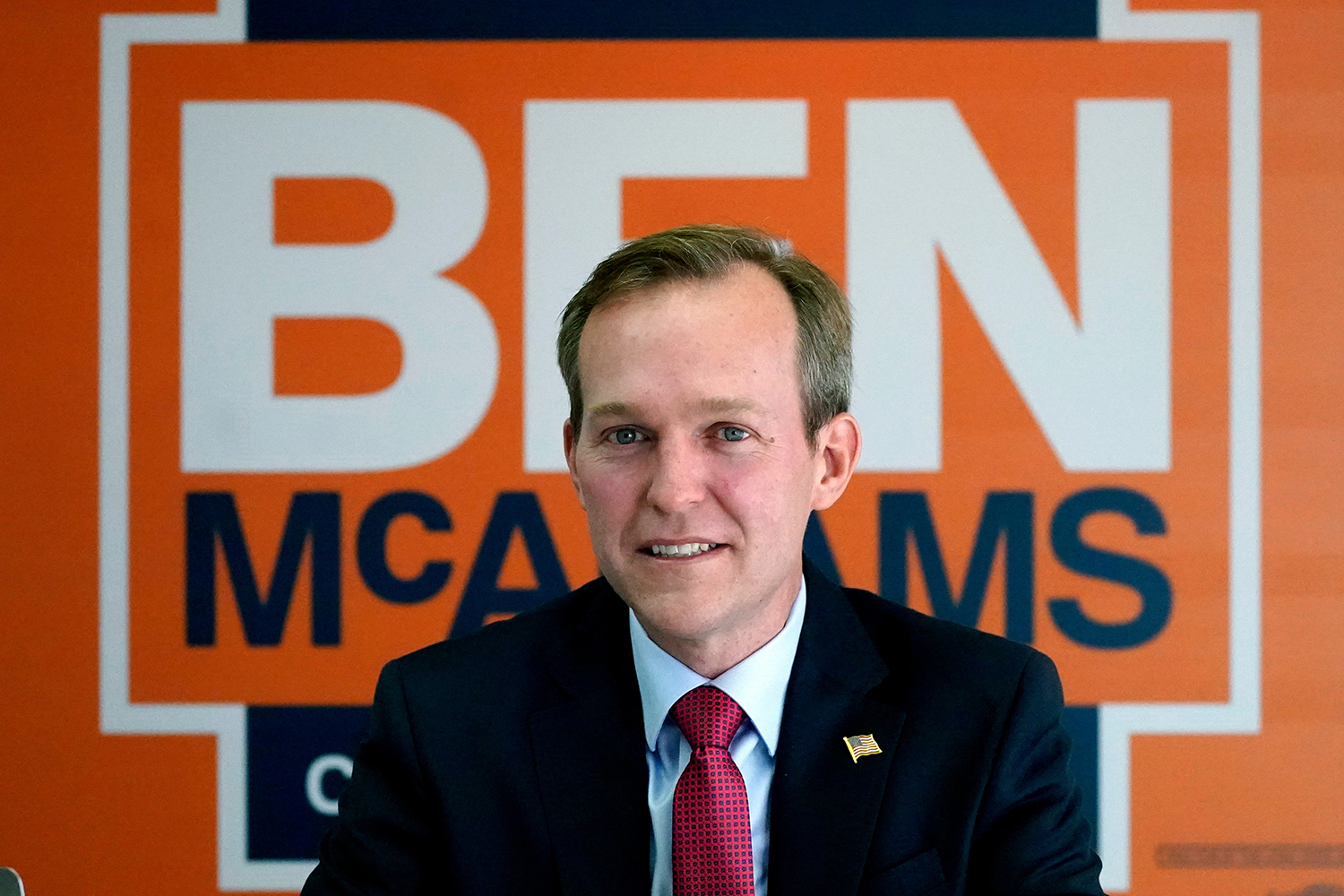
The suit, brought by a Republican state attorney general, marks the most prominent attempt yet to apply product liability law to artificial intelligence software.
The legal theory at the heart of the complaint directly echoes the wave of litigation that forced the tobacco industry into multibillion-dollar settlements in the 1990s and, more recently, inspired thousands of lawsuits against major social media platforms. Uthmeier asserts that OpenAI should be held responsible when ChatGPT is accused of leading users to commit acts of violence or causing psychological harm, framing the chatbot as a consumer good that failed to meet basic safety standards.
The approach represents a new frontier in the legal battle against the technology industry. A New Mexico jury in March found Meta liable for failing to implement sufficient safeguards against sexual predators on its platforms, and a California jury determined that Meta and YouTube had intentionally designed their products to be addictive. Those verdicts have emboldened state attorneys general and plaintiffs’ lawyers to look for similar theories to apply to artificial intelligence.
The lawsuit arrives at a moment of regulatory paralysis in Washington. Congress has not passed comprehensive federal safety legislation for artificial intelligence, leaving a policy vacuum that legal experts say could invite more state-level action. “This litigation is a reflection of the frustrations that there’s not a uniform, cohesive standard at the federal level,” said Michelle Lopes Maldonado, associate director of AI policy at the Information Technology and Innovation Foundation, a think tank whose funders include AI developers such as Anthropic and Alphabet.
Industry fears a cascade of state lawsuits
AI companies have watched the Florida case with growing unease, concerned that product liability claims could multiply rapidly across the country. “There is concern about what happens with this product liability approach,” Maldonado said. “The possibility of multiplying suits by state attorneys general could be real.”
The legal strategy carries particular weight because it does not require Congress to act. State attorneys general can file suit under existing consumer protection and product liability statutes, potentially forcing AI companies to defend the safety of their systems in courtrooms rather than before regulators. The tobacco industry’s experience in the 1990s demonstrated how a coordinated wave of state lawsuits can produce sweeping settlements that reshape an entire sector.
For now, Uthmeier’s complaint against OpenAI stands as the most aggressive test of whether a chatbot can be legally classified as a dangerous product. The outcome could determine whether the legal playbook that hobbled Big Tobacco and now haunts social media companies becomes the defining threat to the artificial intelligence industry.