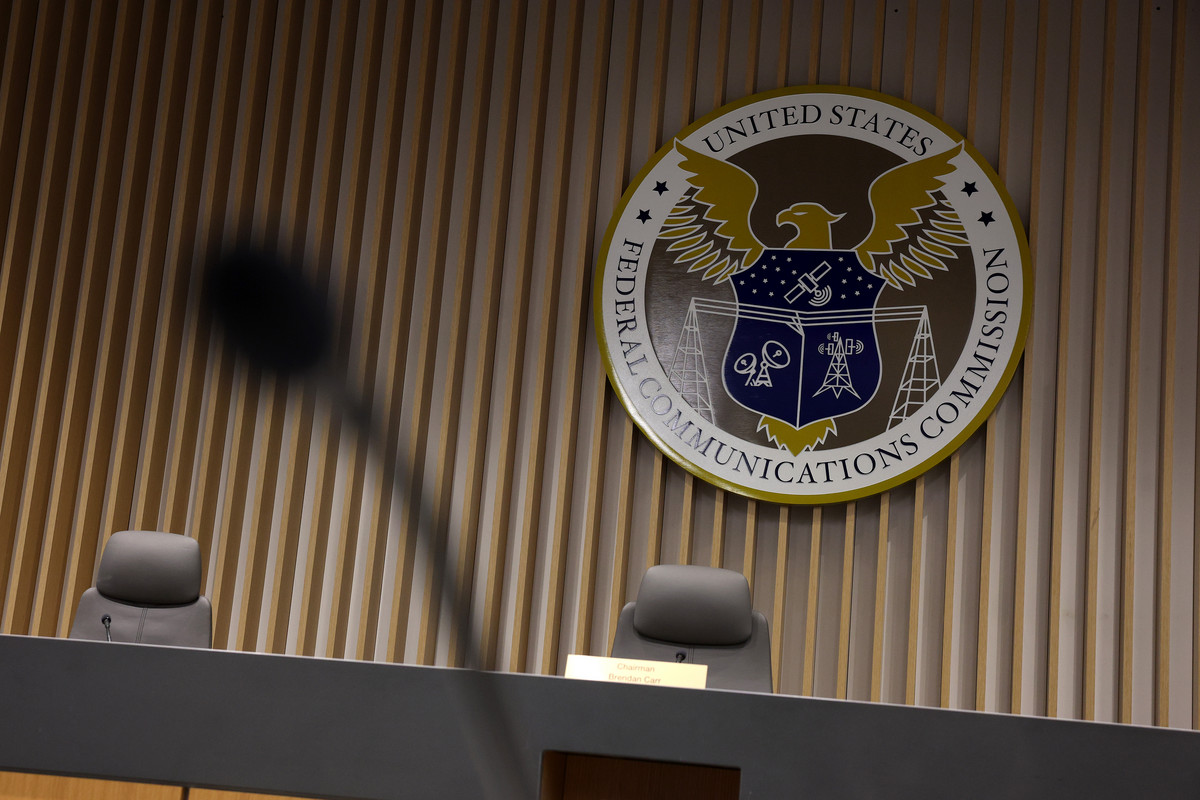
The vote, taken during the agency's open meeting, marks a significant victory for FCC Chair Brendan Carr and the broadcast industry, which have long argued that the cap is an outdated relic in a media landscape now dominated by cable and streaming platforms. The rule was originally mandated by Congress in a 2004 appropriations law, reflecting a bipartisan consensus that no single broadcaster should wield outsized influence over the national airwaves.
Carr and industry advocates contend that eliminating the restriction is essential for the financial survival of local broadcasters competing against digital giants. They also frame the move as a corrective measure to rebalance power between national television programmers and the affiliate stations that carry their content, arguing that consolidation will give local outlets more leverage in negotiations.
“We should learn from our mistakes with the local newspaper industry, and we should not let history repeat itself,” Carr said, casting the decision as a proactive step to prevent the decline of over-the-air television in an era of cord-cutting and fragmented viewership.
But the decision has drawn sharp criticism from media watchdogs and some lawmakers who warn that removing the cap will accelerate a wave of mergers, reducing the diversity of voices available to the public and concentrating ownership in the hands of a few corporate entities. Detractors also argue that the FCC is overstepping its statutory authority, noting that Congress explicitly set the 39 percent threshold two decades ago.
That legal question is likely to be the crux of the expected court challenge. Opponents are expected to argue that the agency cannot unilaterally reverse a limit that lawmakers deliberately encoded into law, while the FCC maintains that the appropriations measure did not strip future commissions of the power to revisit the specific number.
The political stakes are also elevated, with top Republicans, including Sen. Ted Cruz, expressing concerns that Carr may be exceeding his mandate. The split vote, with the two Republican commissioners in favor and the lone Democrat opposed, underscores the partisan fault lines surrounding media ownership policy as the agency prepares to defend its decision in federal court.