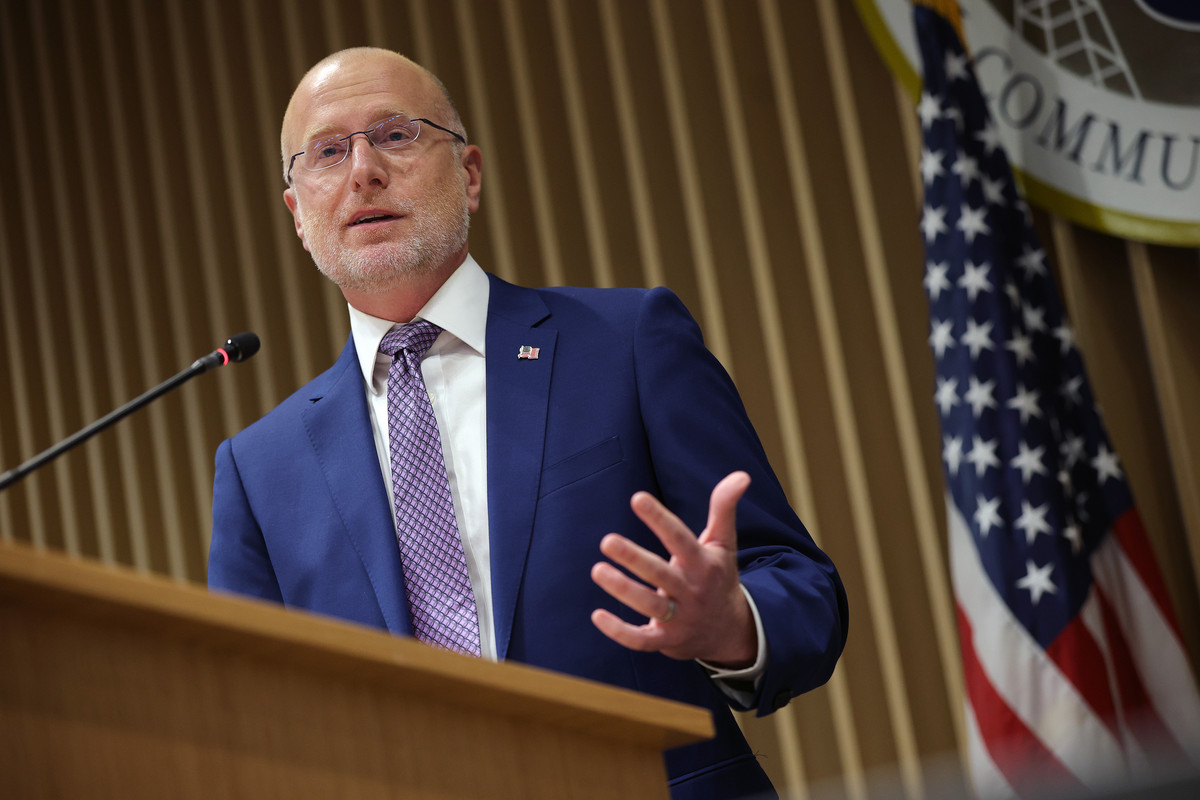
The request is framed as a voluntary initiative, dubbed the "Pledge America Campaign," tied to the approaching 250th anniversary of the United States. Carr suggested broadcasters could participate by airing historical specials, public service announcements on civic education, daily recitations of the Pledge of Allegiance, or music by American composers like Duke Ellington and George Gershwin. He cited a perceived decline in civic knowledge, lamenting that educational staples like Schoolhouse Rock! are now largely confined to online archives.
The push aligns with a broader White House effort to foster celebrations of American exceptionalism leading up to the semiquincentennial. The Trump administration has taken a personal interest in the anniversary preparations, including reviewing Smithsonian exhibits to ensure they fit this directive.
Critics See Regulatory Overreach and Chilling Effect
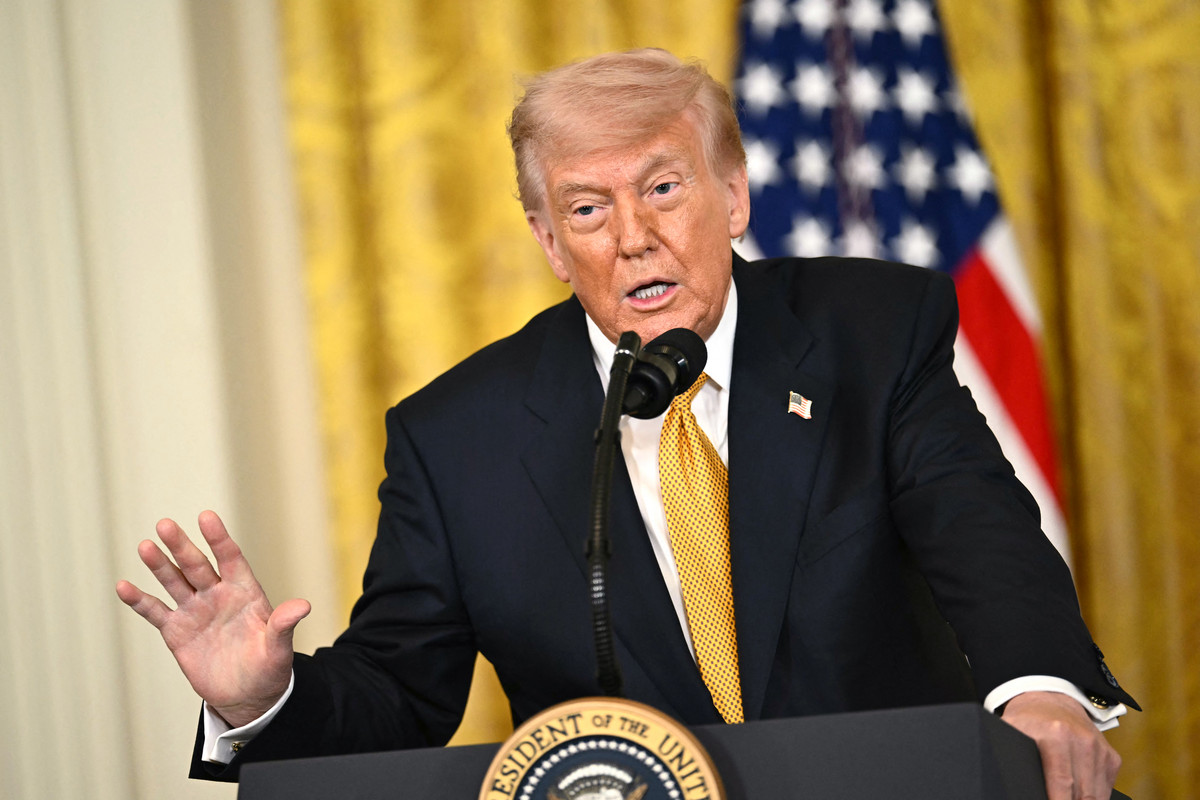
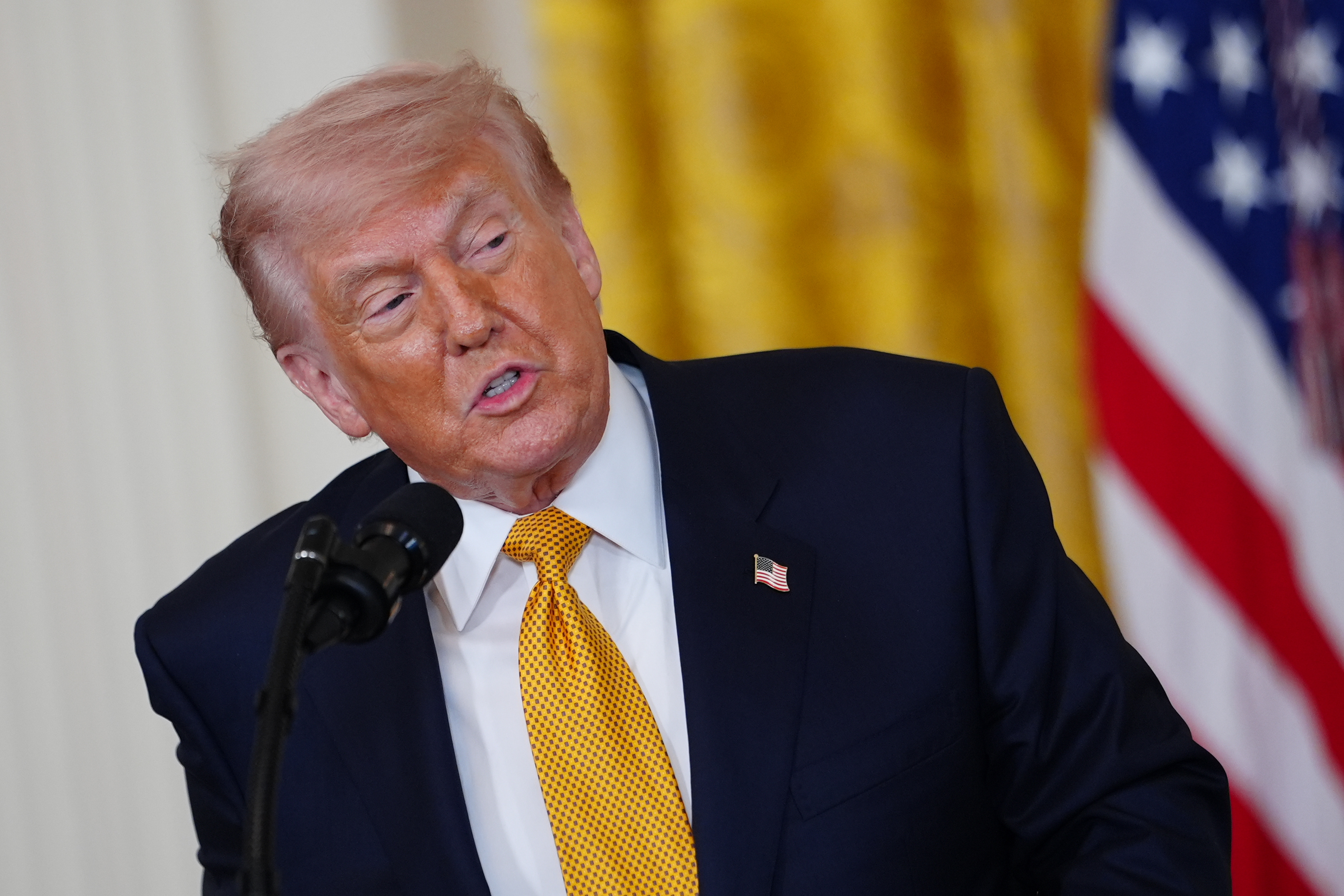
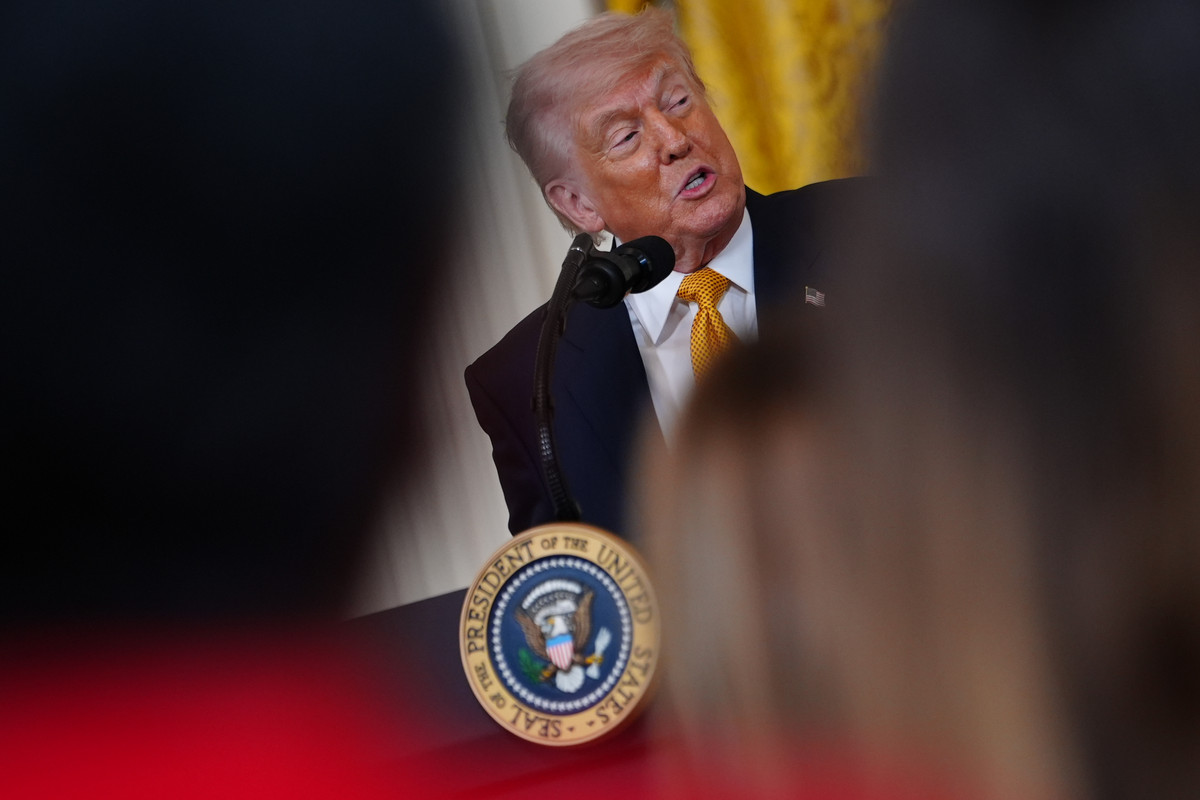
Critics, however, view the chair's appeal as a troubling foray into content oversight by the nation's top media regulator. They argue it represents an attempt to please President Donald Trump while testing the boundaries of the First Amendment and the FCC's traditional mandate, which avoids policing editorial content.
The controversy arrives as several major broadcasters have pending mergers and regulatory requests before the commission, a dynamic that could influence their response to the chair's non-binding request. The tension was highlighted this week when CBS host Stephen Colbert accused his network's lawyers of sidelining an interview with a Democratic candidate due to new FCC equal-time guidance from Carr, a claim both the network and Carr denied.
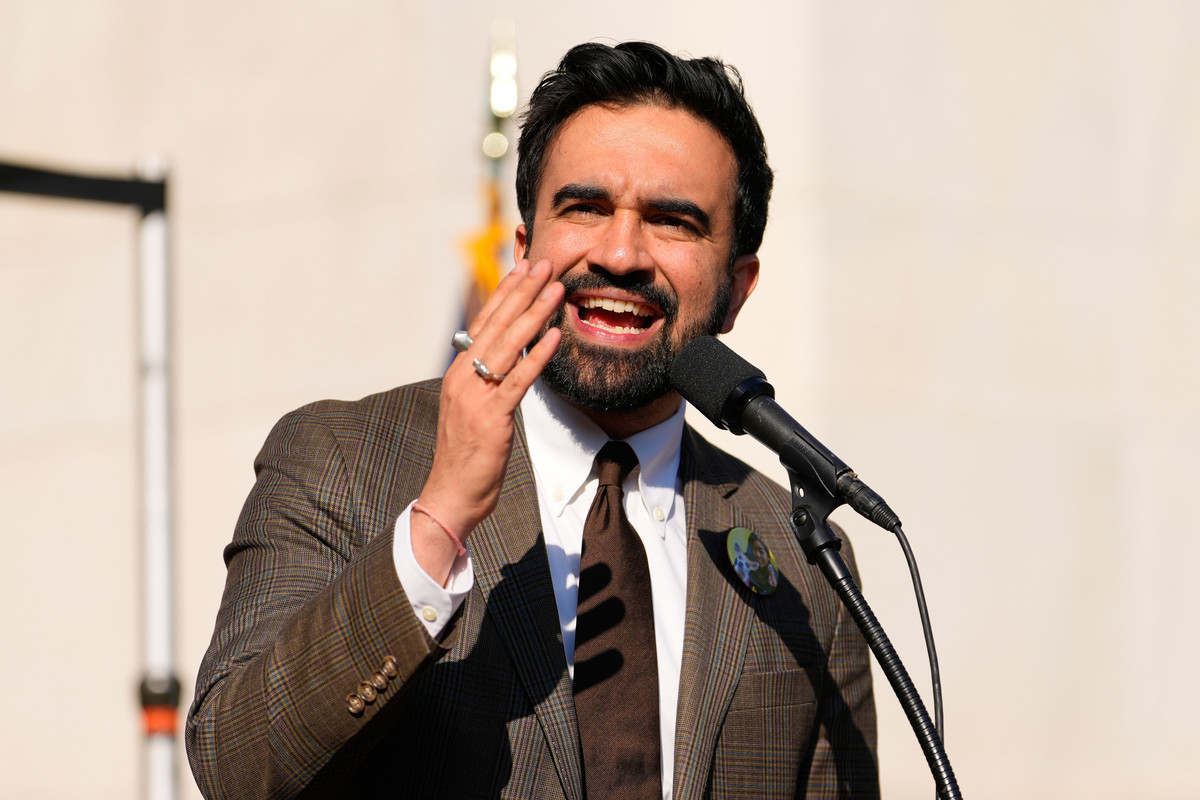
FCC Commissioner Anna Gomez, the agency's sole Democrat, publicly criticized the announcement. "Nothing is more American than the freedom of the press and the independence of the media from government influence," she wrote on the social platform X.
Carr has integrated patriotic elements into the FCC's own proceedings, such as starting monthly meetings with the Pledge of Allegiance. His latest campaign places broadcasters in the position of deciding whether to voluntarily align their programming with a government-endorsed patriotic theme during a politically sensitive period.