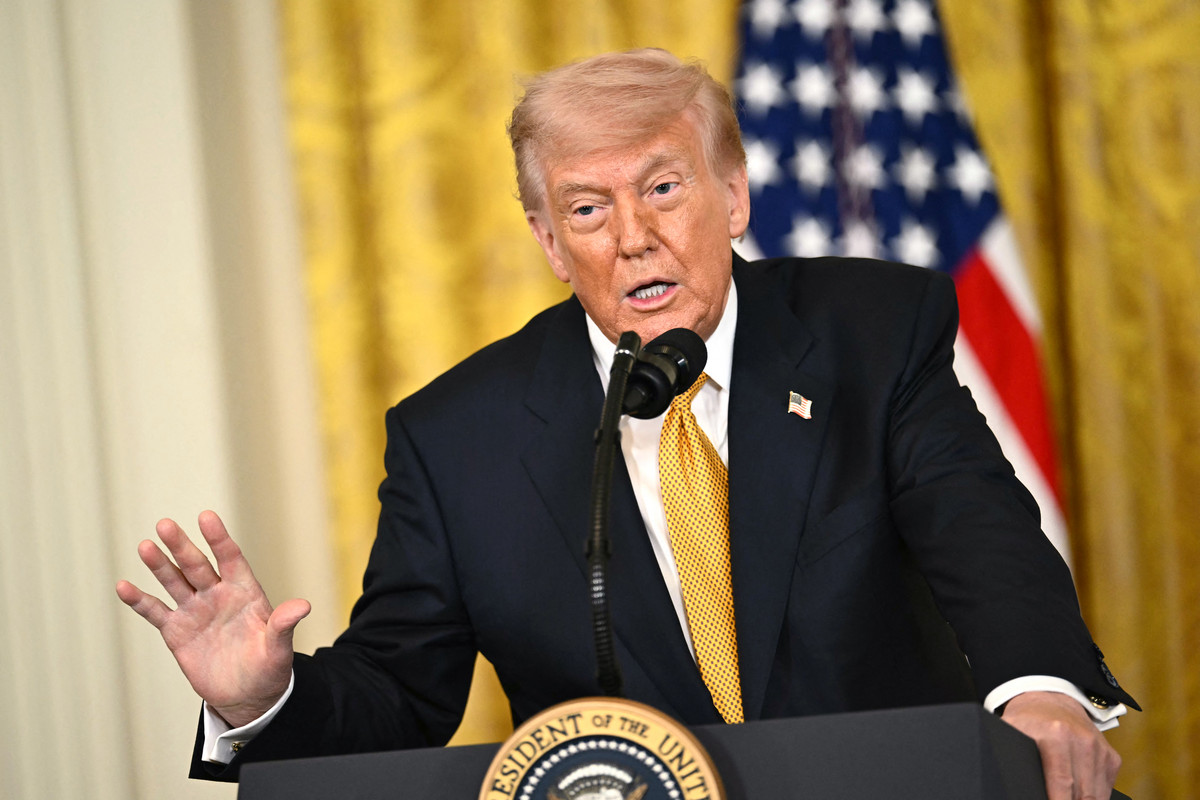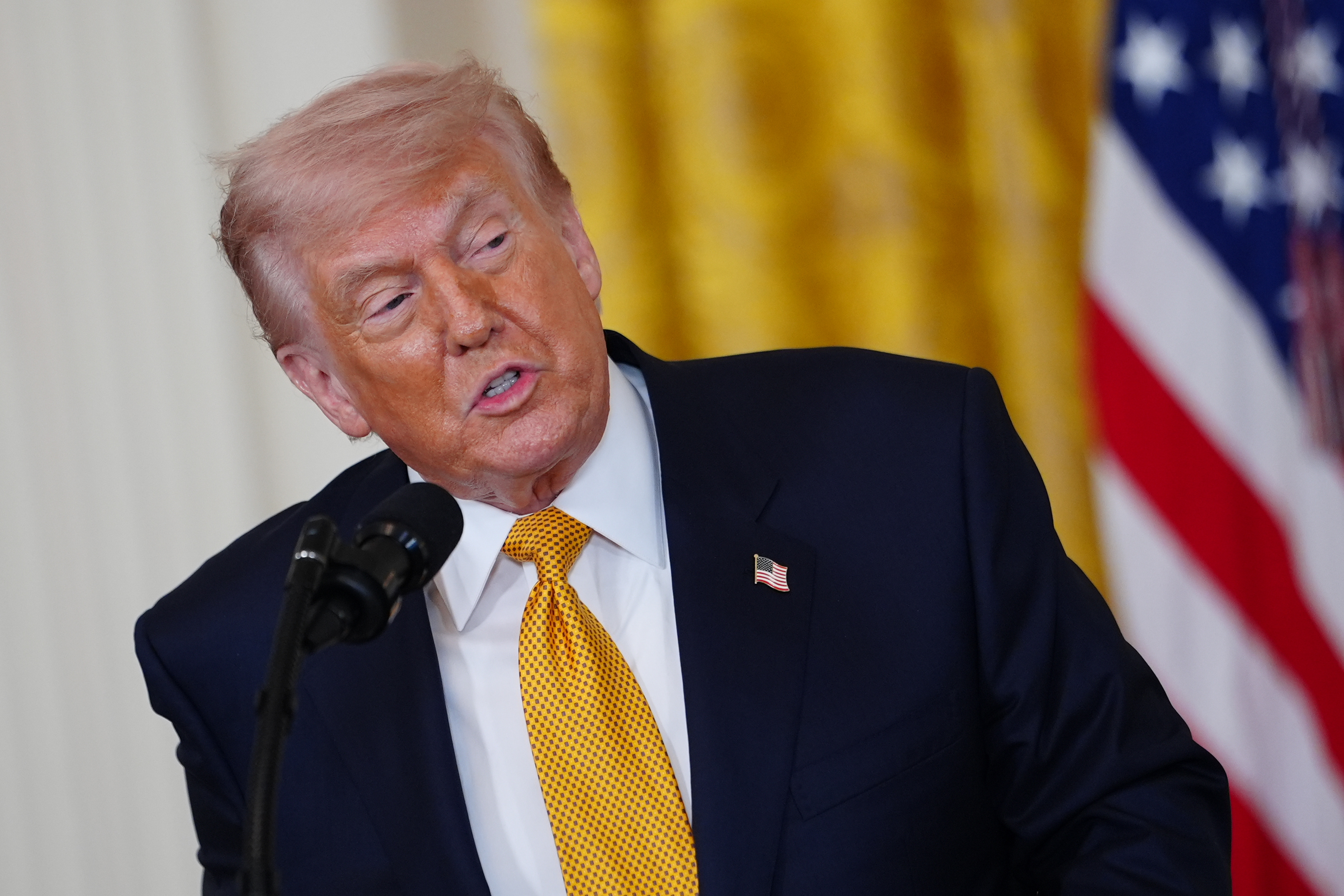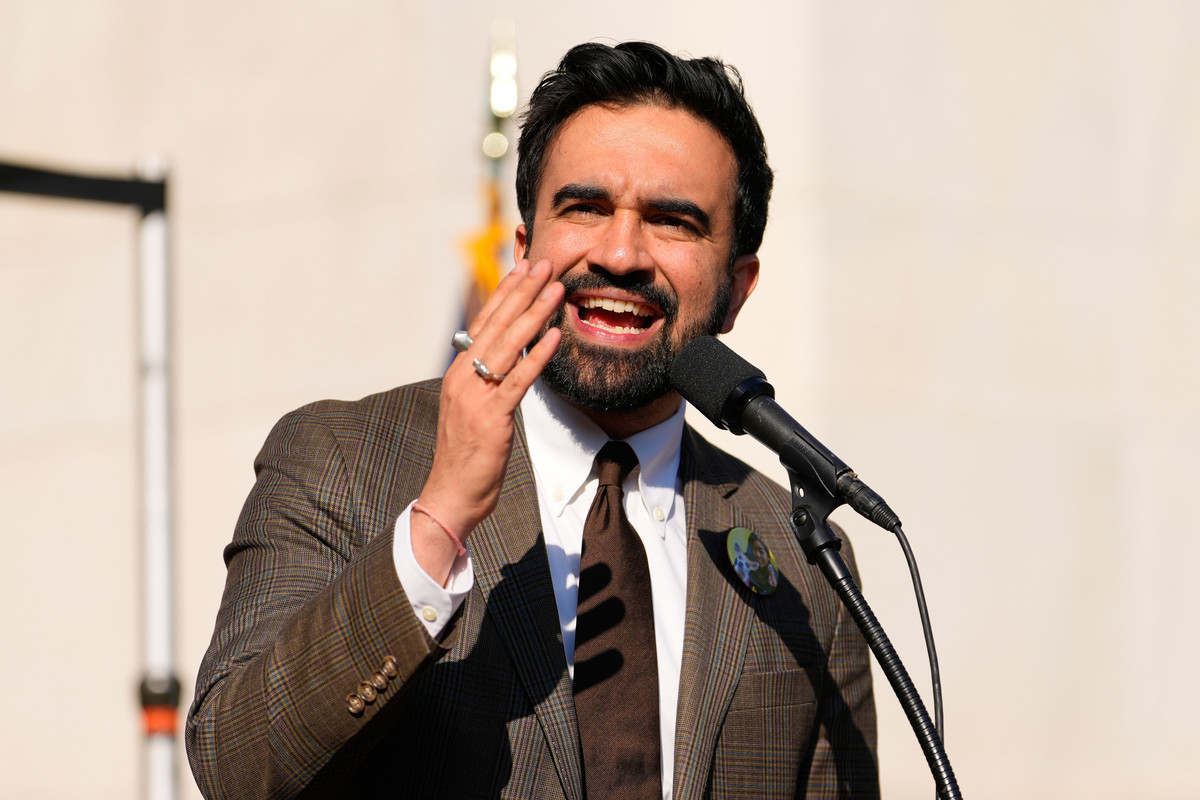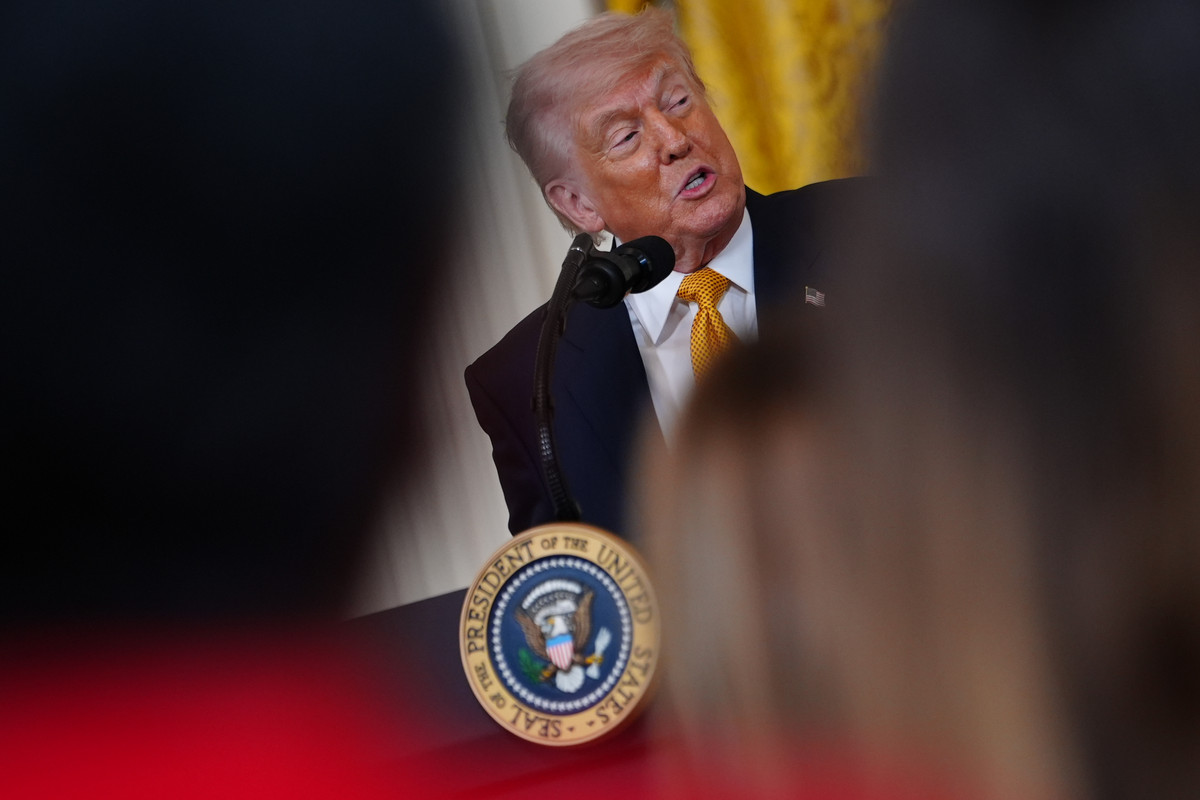
The Federal Communications Commission chair said the move was driven entirely by a long running investigation into the company’s diversity, equity and inclusion practices, not by President Donald Trump’s public call for ABC to fire late-night host Jimmy Kimmel.
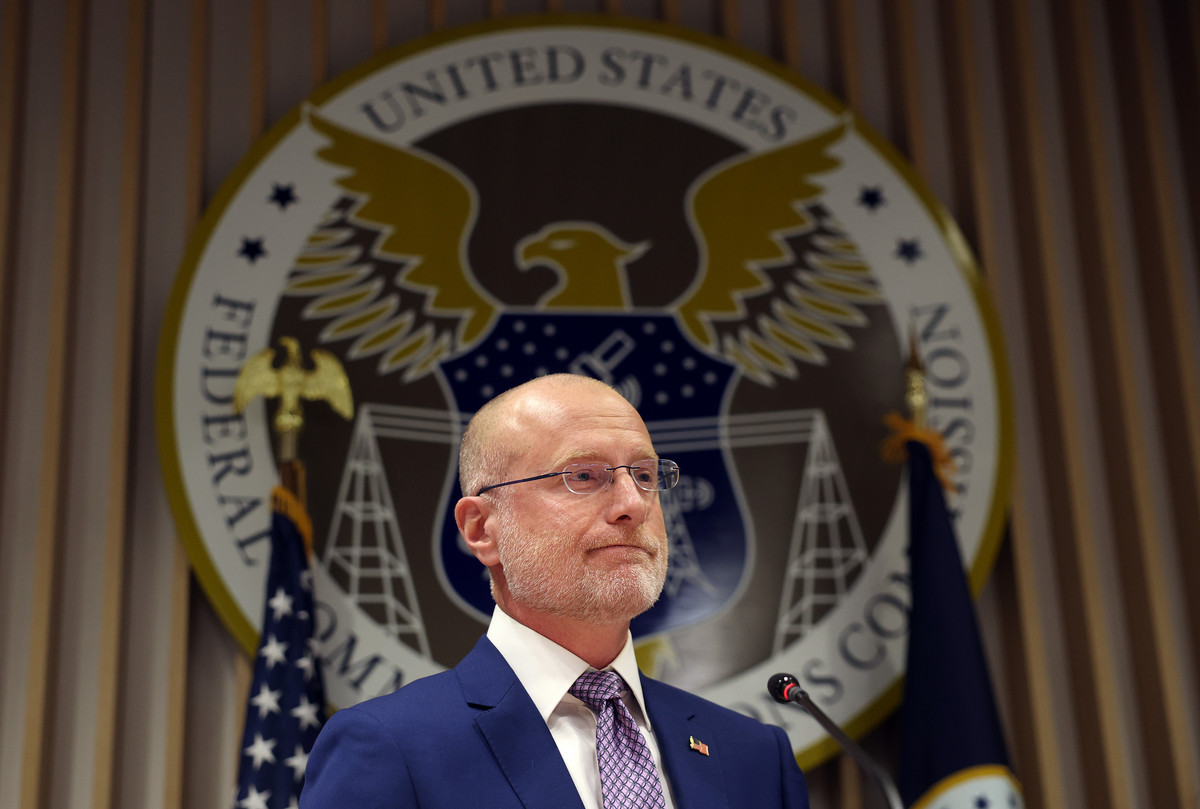
“This is a decision that we made inside this building, based on where we were in the enforcement matter,” Carr said during a press conference, his first public comments on the dispute. “There was no pressure from the outside. There was no suggestion from the outside. There was no call for agency action from the outside.” The FCC ordered a review of Disney’s licenses for its eight ABC broadcast television stations years ahead of schedule, a move critics have described as politically motivated.
The timing of the order has drawn sharp scrutiny. It came one day after President Trump and first lady Melania Trump called for ABC to fire Kimmel over a skit in which the comedian referred to the first lady as “an expectant widow.” The segment aired days before a man allegedly attempted to assassinate the president at the White House Correspondents’ Dinner. While Kimmel has characterized the joke as a comment on the couple’s 24-year age difference, the president accused him of inciting violence.
Even some Republicans questioned the FCC’s actions. Senate Commerce Chair Ted Cruz of Texas said Wednesday that “it is not the FCC’s role to be the speech police.” Sen. Rand Paul of Kentucky told POLITICO that “the FCC probably shouldn’t be involved with regulating humor.” Carr told reporters he agreed with Cruz that the agency should not police speech, but he maintained that the order did not raise a free speech issue and was not a response to outside pressure.
Carr said the investigation into Disney’s diversity practices began more than a year ago and involved multiple requests for documents over that period. The latest round of document submissions was due last week, and Carr said he and his staff did not believe the company was being forthcoming. He said the FCC decided to call up Disney’s licenses out of frustration with the latest submission and noted that the agency had already hinted that such a consequence was possible.
Industry and Democratic Pushback
Disney spokespeople did not immediately comment on Carr’s characterizations. The company has defended its qualifications to hold the licenses and said it plans to demonstrate as much going forward. The National Association of Broadcasters, which counts Disney as a member, has called the FCC order “nearly unprecedented” and said it injects “significant uncertainty” into the marketplace. Democratic Commissioner Anna Gomez accused Carr on Thursday of using the agency’s authority for political ends, though she did not elaborate on specific evidence for the charge.
Carr pushed back against such accusations, arguing that the review was a routine consequence of an enforcement matter. “There was no suggestion from the outside,” he repeated, seeking to draw a clear line between the White House’s public complaints about Kimmel and the FCC’s regulatory machinery. The dispute has placed the independent agency at the center of a broader debate about the intersection of government power, corporate speech and presidential influence.