The reason, he said, was that network lawyers feared running afoul of federal broadcast regulators.
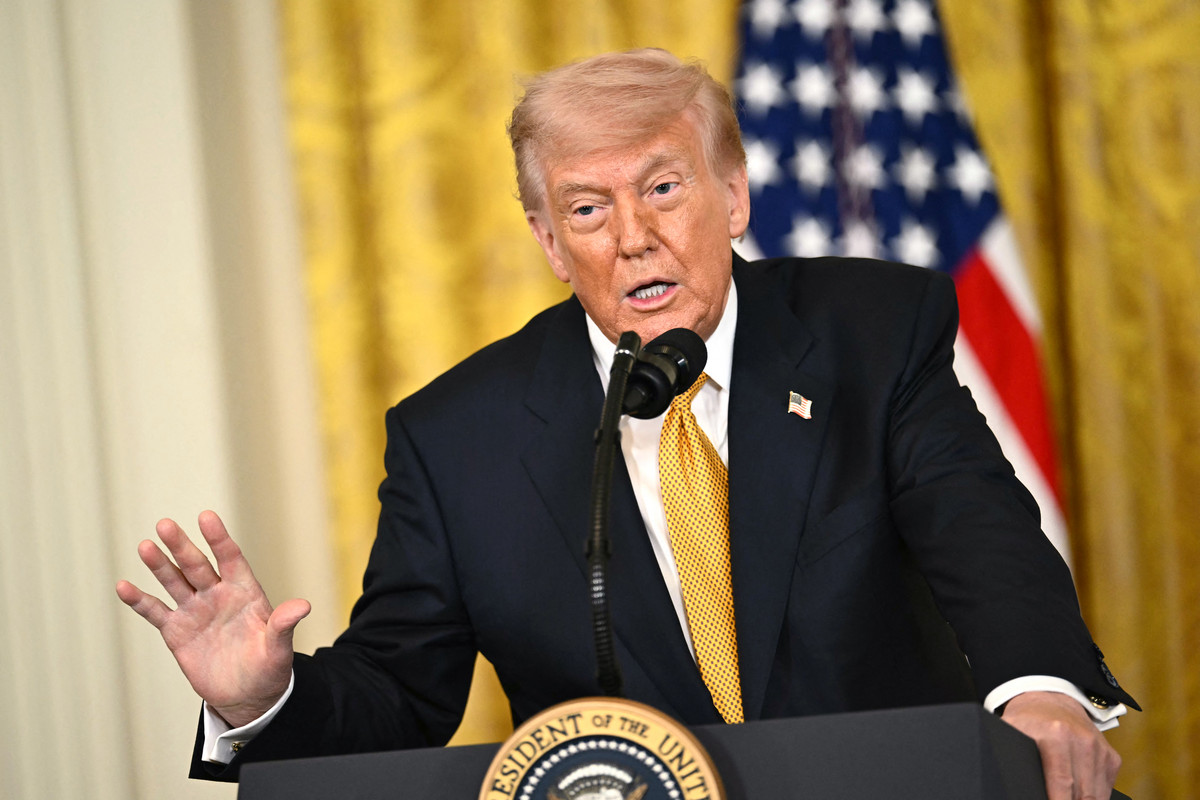
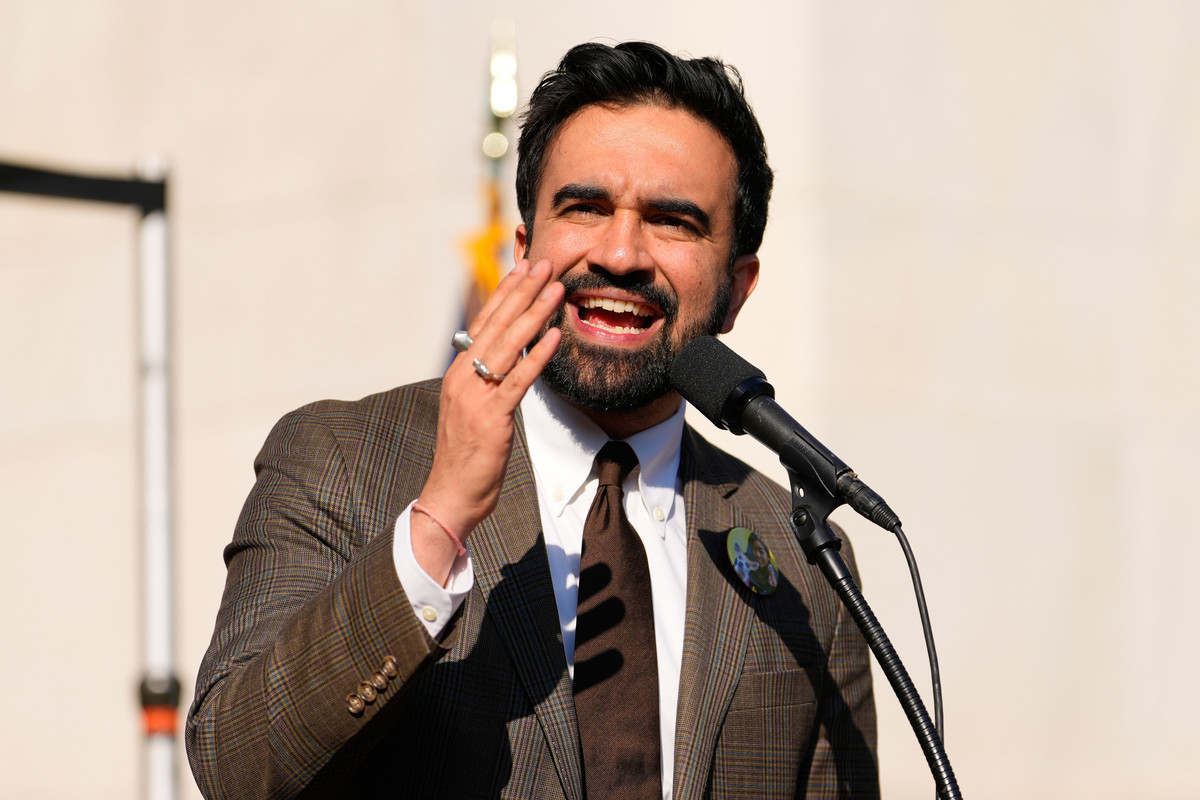
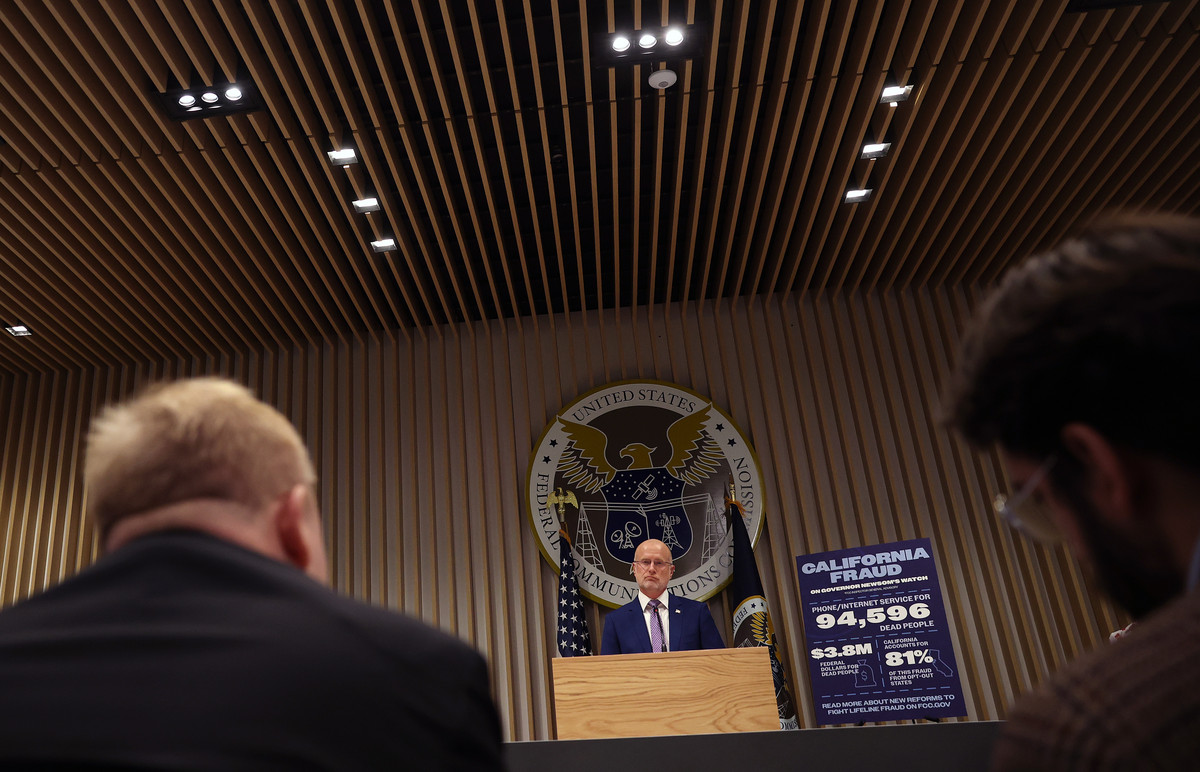
Federal Communications Commission Chair Brendan Carr dismissed the ensuing controversy on Wednesday, labeling it a “hoax.” He argued that CBS had a clear path to air the interview with Texas Democratic Senate candidate James Talarico and blamed the candidate for exploiting media assumptions. “You had a Democrat candidate who understood the way that the news media works, and he took advantage of all of your sort of prior conceptions to run a hoax, apparently for the purpose of raising money and getting clicks,” Carr said at a press conference.
Colbert had explicitly pointed to CBS lawyers as the immediate block, but he placed ultimate responsibility on the Trump administration and Carr himself. “Let’s just call this what it is: Donald Trump’s administration wants to silence anyone who says anything bad about Trump on TV,” Colbert said on his show. The interview was later posted to the program’s YouTube channel.
Initial media coverage largely framed the decision as CBS buckling under regulatory pressure. Headlines stated the network had “spiked” the interview, a characterization CBS denied hours after the first stories appeared. Democratic FCC Commissioner Anna Gomez was among critics who accused the network of capitulation.
The "Equal Time" Rule Debate
The dispute stems from guidance issued by Carr last month. It asserts that talk shows like Colbert’s are subject to the FCC’s longstanding “equal time” rules. These rules require a broadcaster giving air time to one candidate to offer comparable opportunities to opponents.
Congress created an exemption for “bona fide news interviews” in the 1950s. Two decades ago, the FCC determined that Jay Leno’s interviews on “The Tonight Show” qualified for that carve-out. Carr, however, has warned networks that similar programming may now be scrutinized differently.
His guidance has already prompted action. The commission this month opened an investigation into ABC’s “The View” over a Talarico interview. Carr also previously complained about an appearance by Democratic presidential candidate Kamala Harris on “Saturday Night Live” just days before the 2024 election.
The clash highlights the escalating tension between broadcasters and regulators over the boundaries of political speech in entertainment programming. It leaves networks to interpret where a late-night host’s conversation ends and a regulated candidate appearance begins.