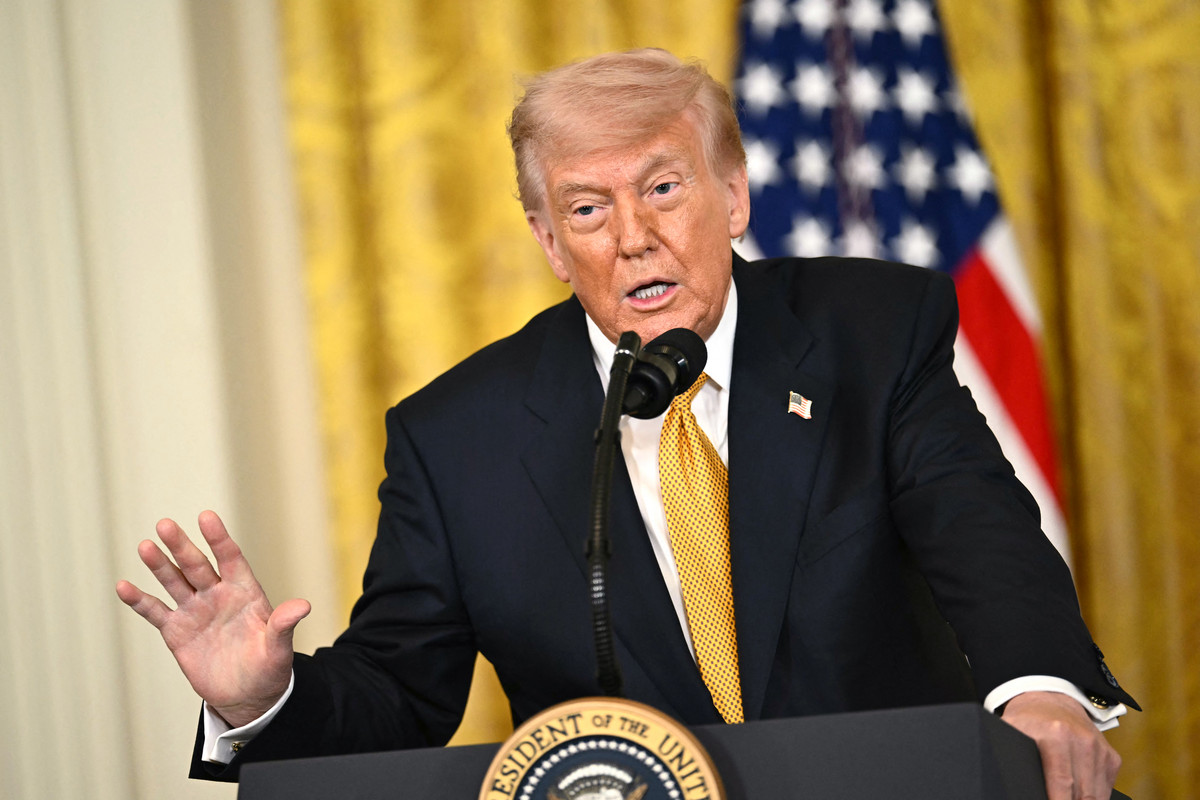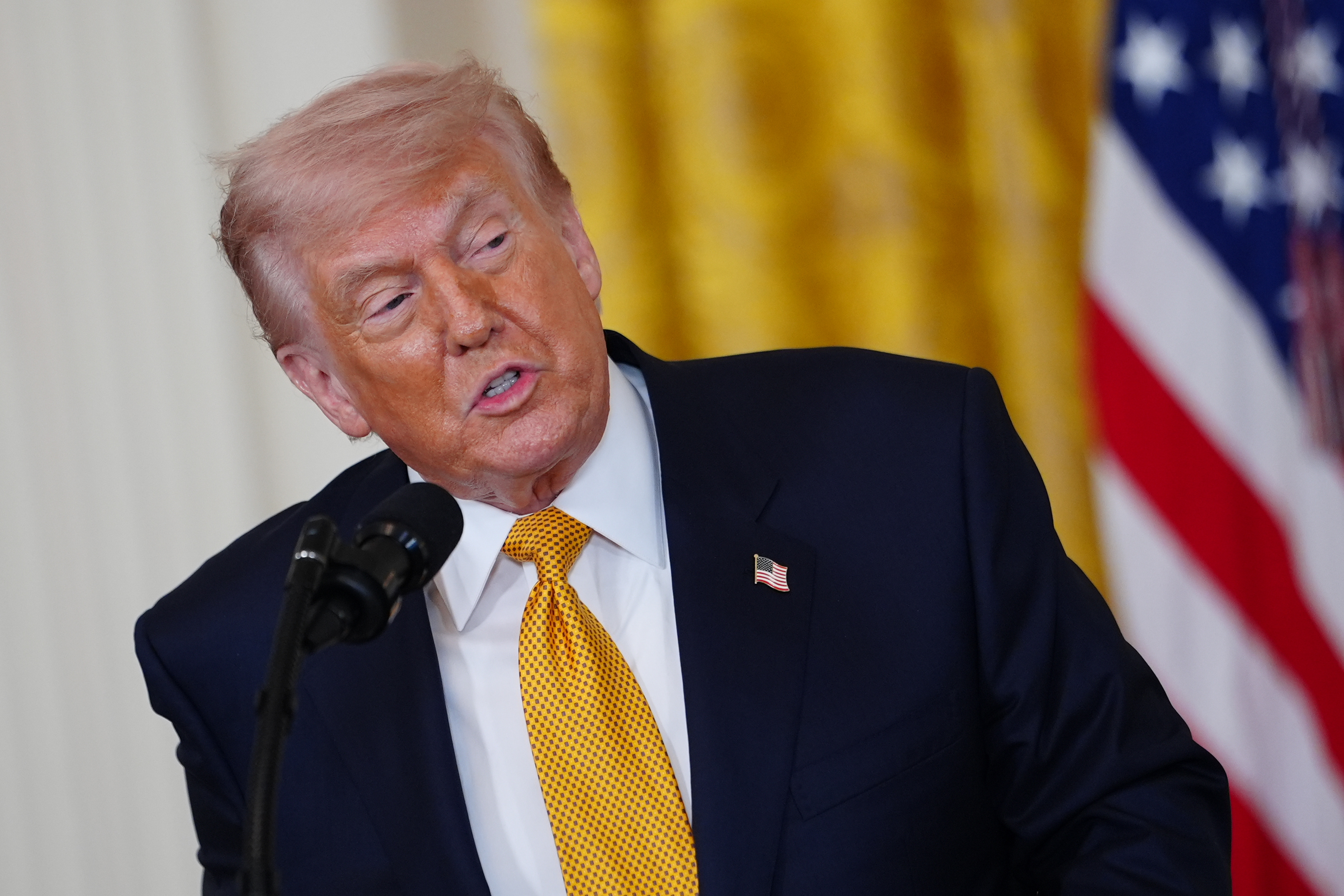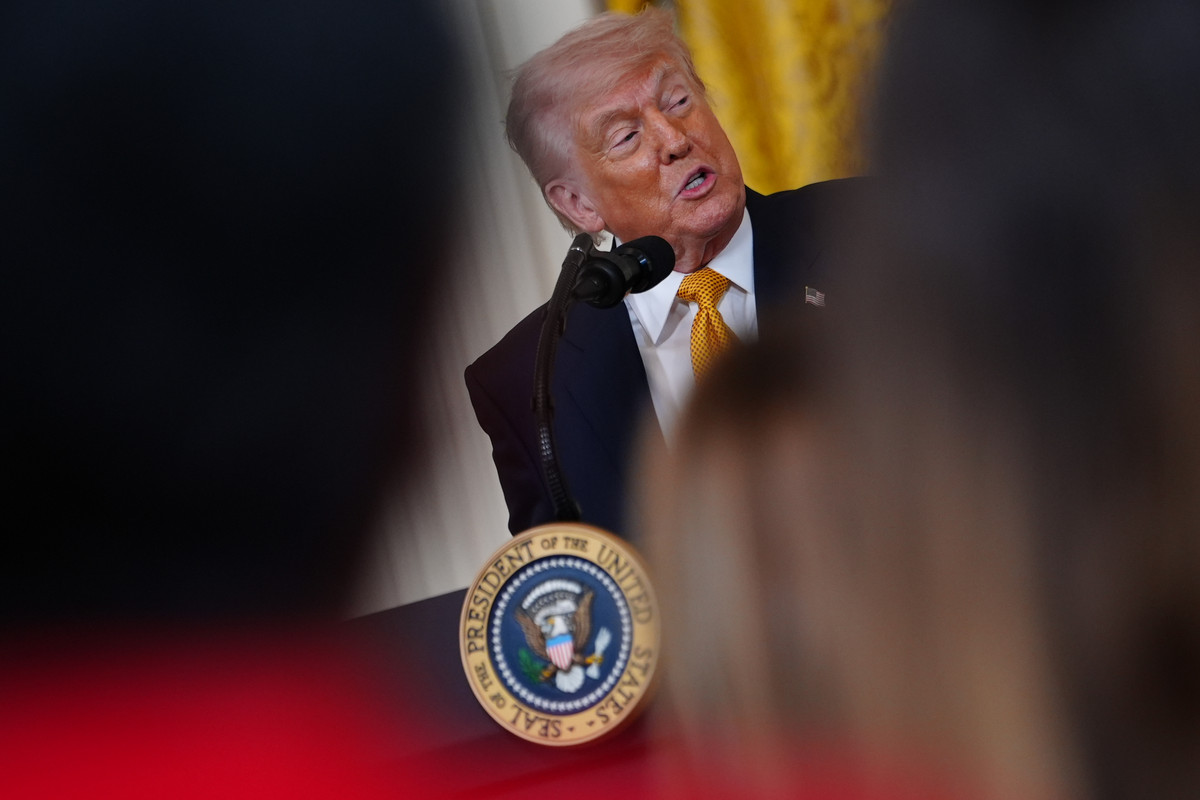
The order cited the commission’s investigation into Disney’s diversity, equity and inclusion practices, suggesting the action was spurred by concerns over “unlawful discrimination.” But the timing of the announcement, coming just one day after Trump and first lady Melania Trump demanded that ABC fire late-night host Jimmy Kimmel, has raised questions about the true motivation behind the regulatory push.
Kimmel had sparked the president’s ire with a joke during a skit previewing the White House Correspondents’ Dinner, in which he remarked that Melania Trump had a “glow like an expectant widow.” Trump denounced the comment as a “despicable call to violence,” particularly in light of a shooting that broke out at the dinner Saturday night. Kimmel defended himself on the air Monday, saying he had been joking about the nearly 24-year age gap between the Trumps.
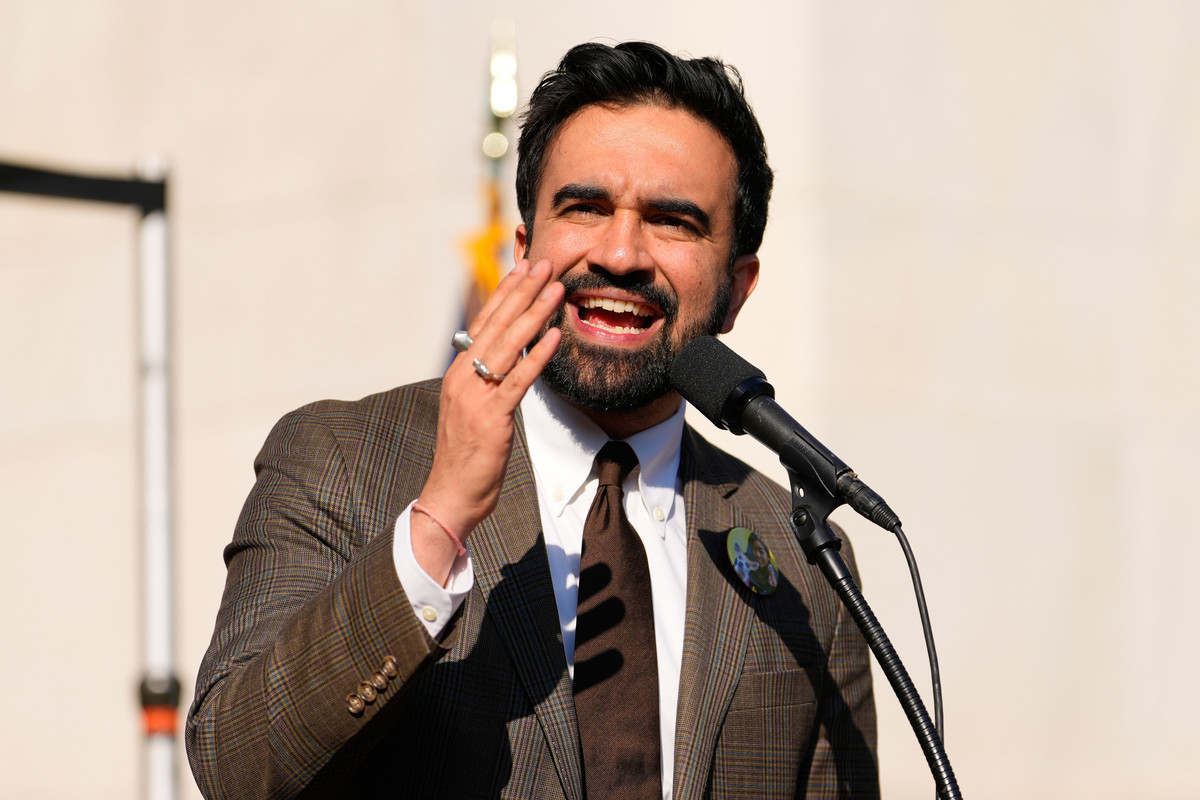
Jeff Westling, a senior scholar of innovation policy at the International Center for Law and Economics who previously worked for Carr, said the sequence of events appeared far from coincidental. “I don’t think anybody’s really buying DEI as the excuse,” Westling told POLITICO, pointing to the political context surrounding the FCC’s sudden interest in the stations’ licenses years ahead of their scheduled renewal dates.
Carr has framed the action as part of his duty to enforce the obligation of licensed broadcasters “to operate in the public interest.” The FCC’s order calls in the licenses for early review and suggests the commission has been investigating Disney for discriminatory practices, though it did not provide specific evidence or details of any violations.
Escalating the Battle Over Broadcast Licenses
The move represents a significant escalation in conservatives’ long-running complaints about Disney’s diversity policies and programming on ABC. Trump has frequently threatened over the years to revoke the licenses of networks whose coverage or content has displeased him, but the FCC under Carr has now taken the first regulatory step toward making good on those threats.
Disney’s eight ABC-owned stations span major markets across the country, making their licenses among the most commercially valuable held by any single broadcaster. The early renewal process could potentially lead to conditions being placed on the stations or, in a worst-case scenario for Disney, the non-renewal of their licenses entirely.
The FCC’s action is likely to intensify debate over the proper role of government regulation in policing broadcast content and corporate policies. Critics argue that the commission is being weaponized to punish political adversaries, while supporters of the move contend that broadcasters must adhere to public interest standards that include nondiscrimination in employment and programming.