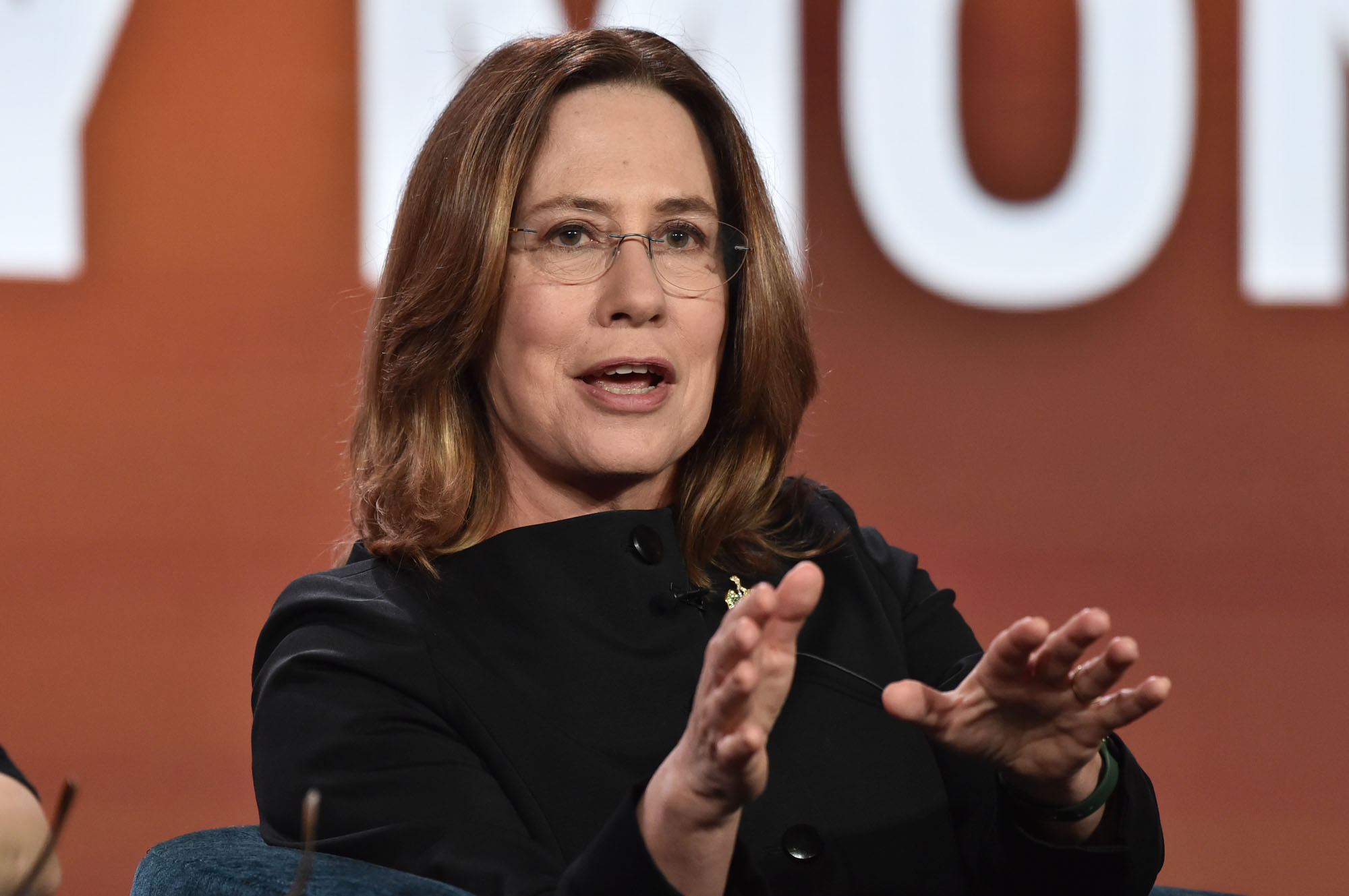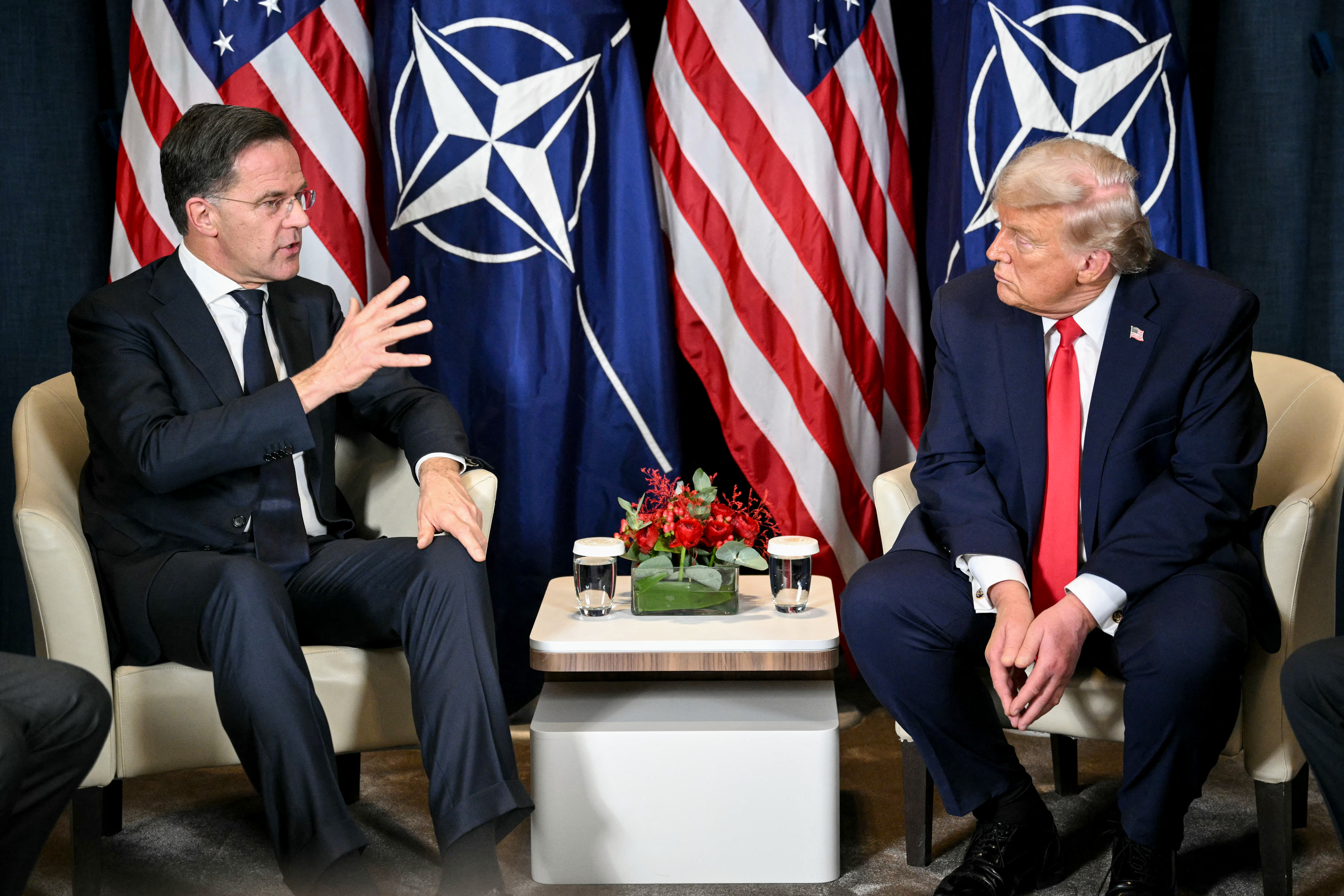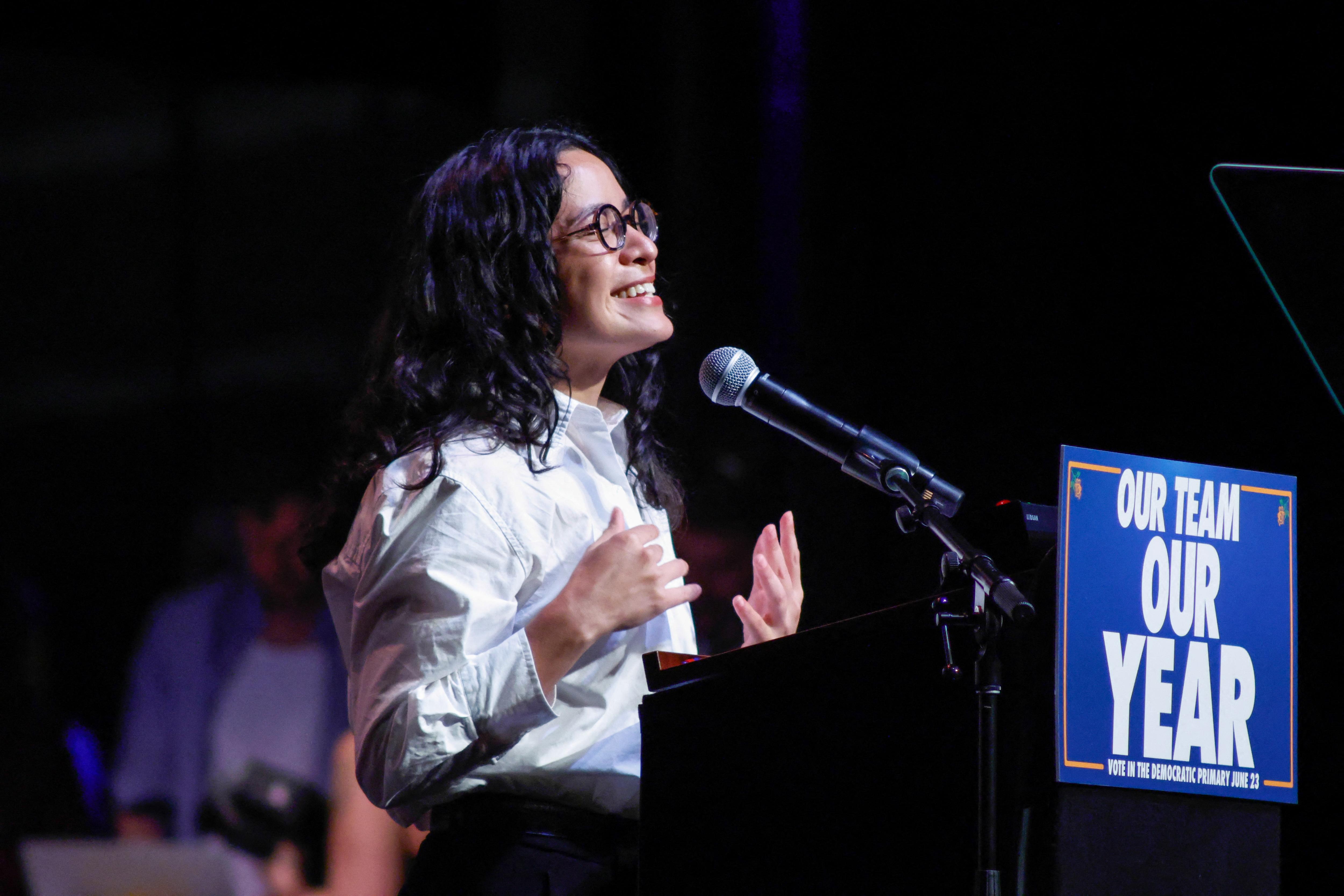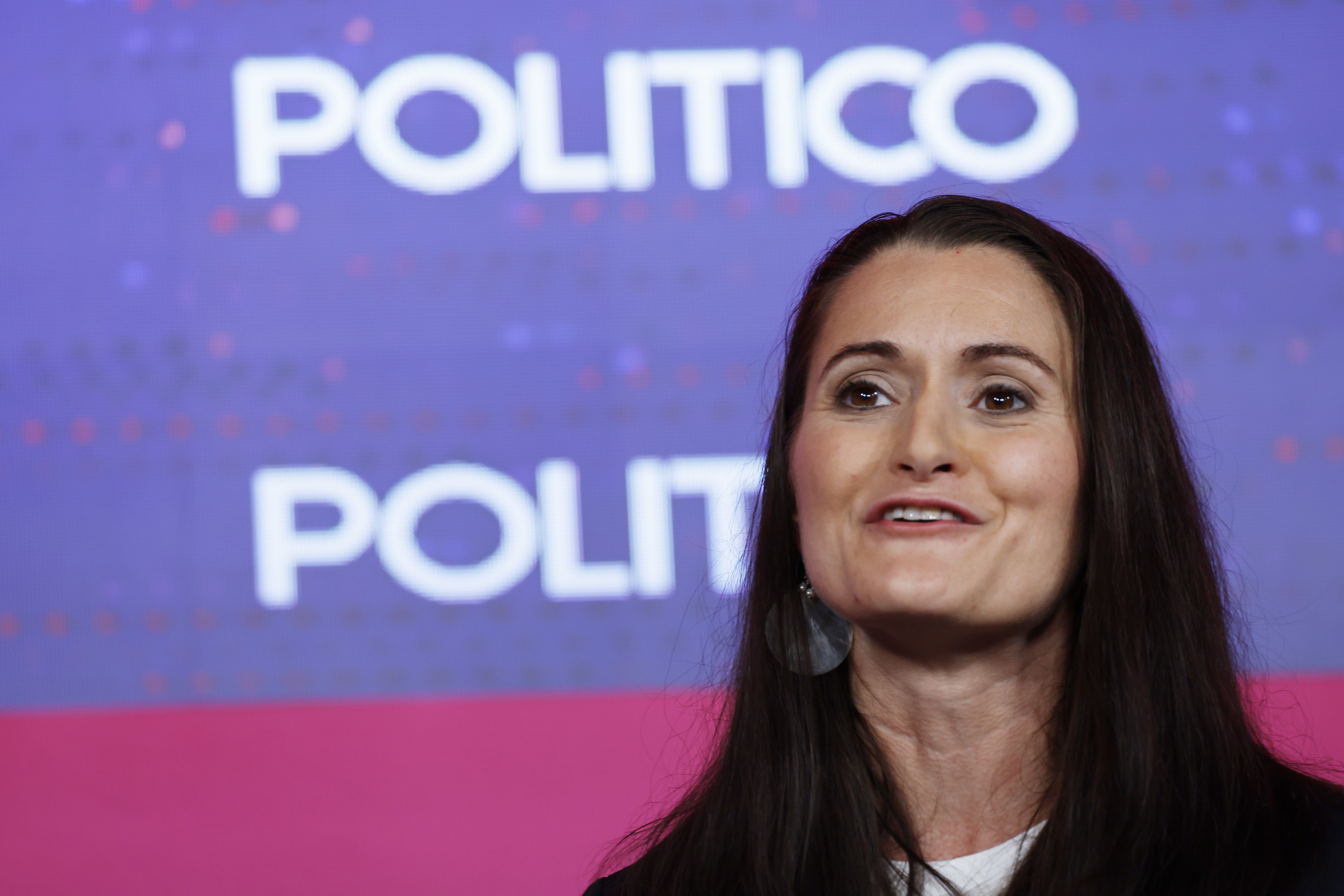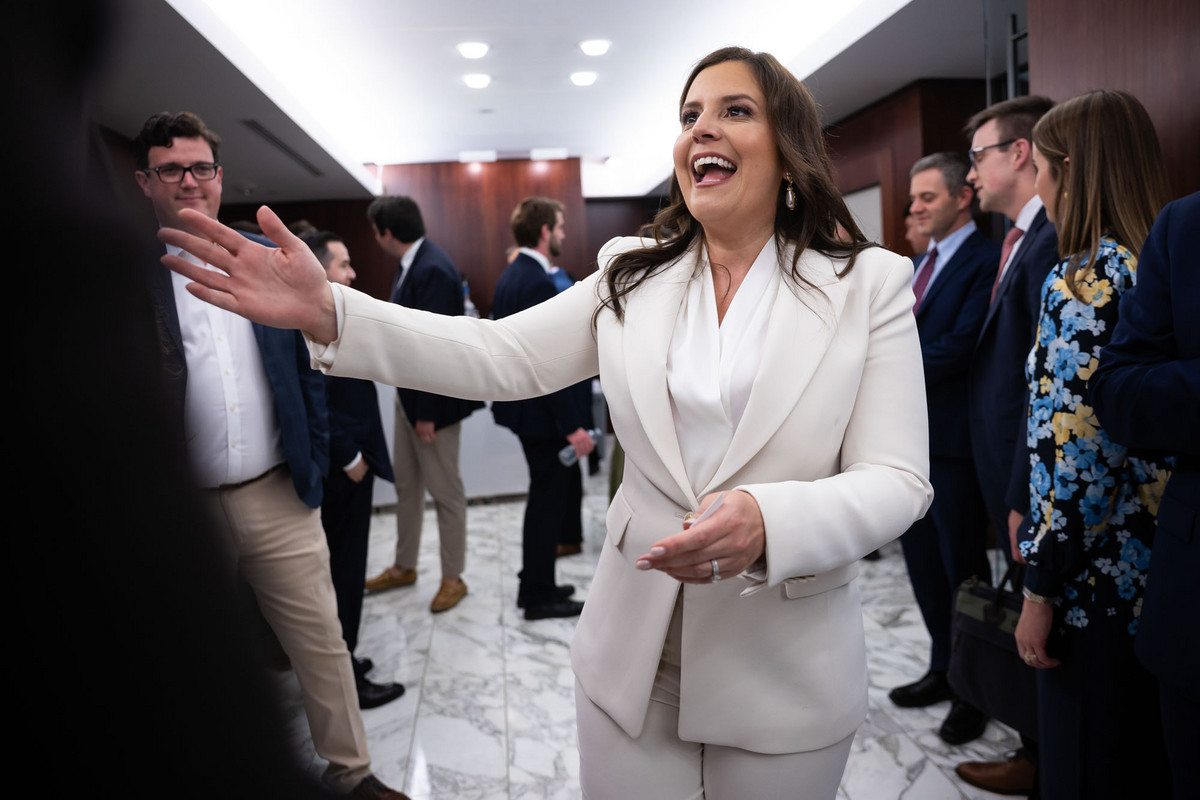
Waiters circled with hors d’oeuvres. At the back of the room, an open bar poured mid- to top-shelf liquor. And there was Rep. Elise Stefanik, dressed in a white pantsuit, shaking hands and smiling against a backdrop of American flags as guests held their phones aloft to capture her remarks. It had all the trappings of a campaign fundraiser with deep-pocketed donors. But Stefanik is not running for office. She is leaving it.
The New York Republican has decided not to seek re-election after six terms representing her upstate district and will vacate her House seat in December. Her departure marks the end of a congressional arc that began with her reputation as a fresh-faced moderate and ended with her transformation into one of Donald Trump’s most loyal defenders. The occasion for the gathering was the publication of her new book, “Poisoned Ivies: The Inside Account of the Academic and Moral Rot at America’s Elite Universities,” but the event itself felt less like a literary salon and more like a high-end hotel conference room hosting a cocktail party for lobbyists, congressional colleagues and former staffers.
The venue was not a tweedy bookstore but a glossy trade association building just blocks from the Capitol. Copies of the book were free for the taking, a striking departure from the typical Washington book party where the goal is to boost sales. Attendees queued up at the open bar and mingled with an eye out for someone more interesting or useful to talk with. Stefanik held court, working the room in a manner that seemed designed to keep her political network warm.
A Polished Exit, Not a Relaxed One
Politicians leaving office often become unburdened, willing to speak openly for the first time in years. Stefanik has taken a different approach. She remains relentlessly on message, sticking to polished talking points repeated in interviews promoting her book. At times, as she addressed the invite-only crowd, she almost sounded as though she were delivering a floor speech on C-Span.
Her decision to leave Congress came after her nomination to serve as U.S. ambassador to the United Nations did not materialize. The failed nomination left her dangling in the wind, but the tone of her book party suggested she has not closed the door on electoral politics. The event carried the unmistakable energy of a candidate testing the waters, even as she prepares to step away from the House.
Stefanik’s transformation from a rising GOP moderate to one of Trump’s fiercest allies has been complete. Once hailed as the great moderate hope of her party, she now exits Congress with a brand built on attacking elite universities and defending the former president. Her book, which excoriates America’s top colleges for what she calls academic and moral rot, fits squarely into the cultural battles that have defined her later years in office.
Whether Stefanik will mount a campaign for governor, Senate or another office remains unclear. But the scene at her book party — the free copies, the open bar, the camera phones recording her every word — suggested she is not done with the game. She may be leaving Congress, but she still sounded very much like a candidate.