Across the primary field, his rivals are offering similarly grand numerical pledges, from Xavier Becerra’s vow to fast-track 40,000 “shovel ready” homes in his first 100 days to Katie Porter’s commitment to lower construction costs by 20 percent.
The problem, according to housing researchers and advocates, is that these big, round numbers may be impossible to deliver. California’s next governor will inherit a housing crisis decades in the making, and the state’s recent history offers a stark warning about the gap between campaign promises and on-the-ground reality. Governor Gavin Newsom entered office in 2019 vowing to build 3.5 million new homes in seven years. Despite signing hundreds of housing laws and dedicating tens of billions of dollars toward low-income housing, he is on track to meet roughly a quarter of that goal.
“The distance between the governor’s office and the carpenter might as well be to the moon,” said Matthew Lewis, a spokesperson for California YIMBY, a housing advocacy group that has not endorsed in the race. Even organizations that typically push politicians to maximize homebuilding now advise against promising a specific production target, he said.
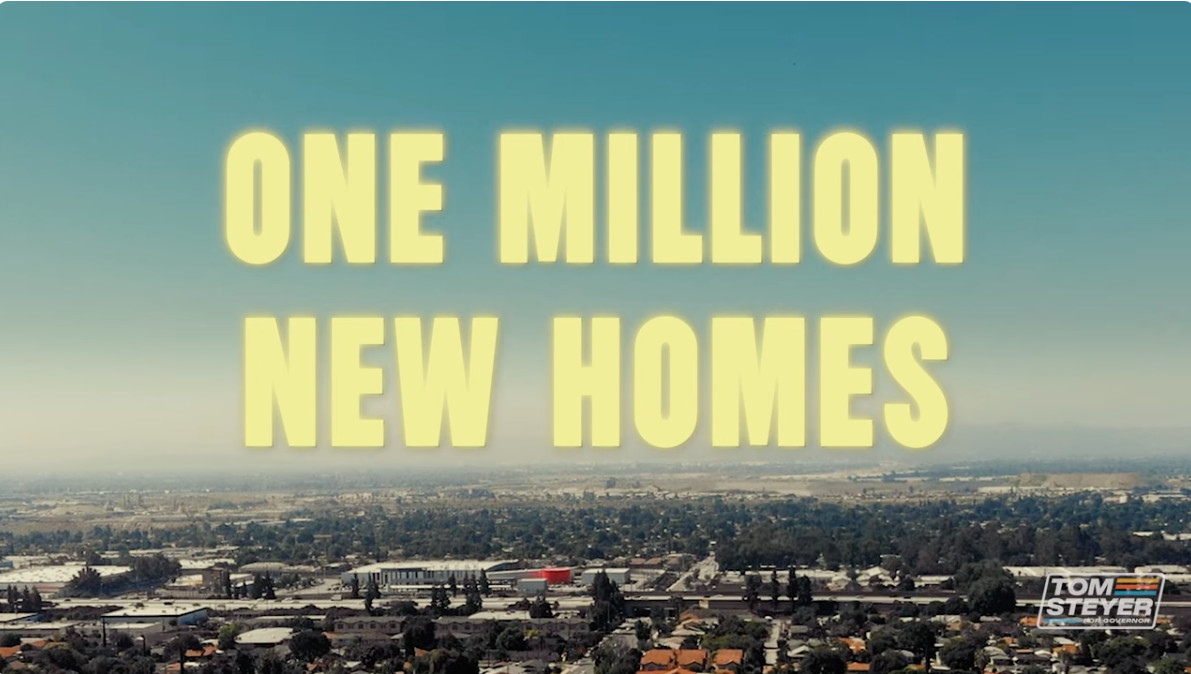
Steyer’s plan is the most audacious. To build 1 million homes in four years, the state would need to average 250,000 units annually, a figure researchers describe as dubious. Becerra’s 40,000 shovel ready homes, meanwhile, would require more than $4 billion in funding, according to the report from which he drew the number. Porter’s proposal to cut costs by 20 percent has drawn cautious praise from experts, but they note it would require overhauling complex fee and permitting systems largely controlled by local governments.
Housing Shortage or Wall Street Greed?
As part of a survey conducted by POLITICO, the four leading Democratic candidates were asked to identify the primary driver of California’s affordability problems. Three of them — Becerra, Porter and San Jose Mayor Matt Mahan — pointed to a housing shortage affecting people of all incomes. Steyer offered a different diagnosis, citing barriers to construction and what he described as “Wall Street and corporate developers ripping off working people and families.”
The distinction matters for policy. Candidates who blame a simple shortage tend to focus on streamlining approvals and zoning reform. Those who blame speculation and corporate landlords often emphasize tenant protections and anti-price gouging measures. With eight major candidates in the open primary and a general election that could include a Republican opponent, the housing debate is likely to intensify in the months ahead.
For now, the Democratic field is united in one belief: that California’s housing crisis demands bold action. The risk, as Newsom’s tenure has shown, is that ambition without a realistic path to execution can erode public trust. “The candidates would be wise to heed the cautionary tale,” the survey noted, as voters weigh promises against the state’s stubbornly high home prices and rents.