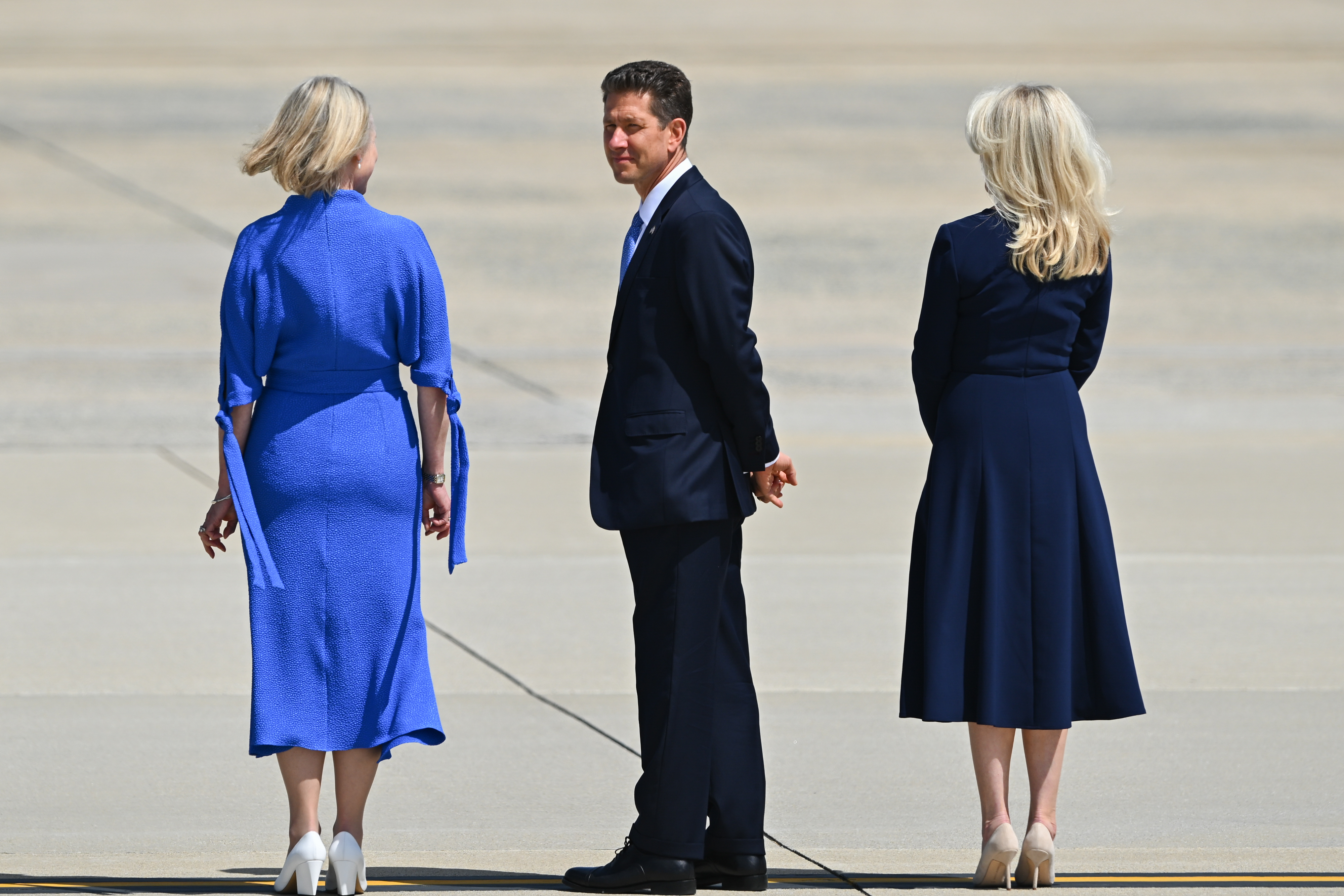
The scene was one of studied normalcy, a stark contrast to the roiling political crisis unfolding 3,000 miles away in London.
As Britain’s most senior diplomat in the United States, Mr. Turner has embarked on a deliberate charm offensive across the capital, hosting receptions, meeting with members of Congress, and reinforcing the so-called special relationship. Yet his polished performance comes at a moment when the government he represents appears to be in a state of near-permanent dysfunction.
Back in Westminster, the Conservative Party is tearing itself apart over strategy, leadership, and the legacy of Brexit. The political temperature has risen to a point where some observers describe the atmosphere as a meltdown, with factional infighting dominating the news cycle and paralyzing policy making.
Mr. Turner’s approach appears to be one of determined disengagement from the domestic noise. By focusing laser-like on the bilateral relationship with the United States, he is signaling that the embassy’s work will continue regardless of the chaos at home. The strategy reflects a calculation that Washington values stability and reliability, even when London cannot provide either.
The ambassador’s schedule has been notably robust. He has prioritized outreach to both Republican and Democratic lawmakers, a recognition that the next administration in Washington could come from either party. His team has also increased engagement with American business leaders and think tanks, aiming to insulate trade and security cooperation from the turbulence across the Atlantic.
Critics might argue that such a detached posture risks appearing out of touch. If the British government is in crisis, they contend, its ambassador should be in London, not working a room in Georgetown. But supporters of Mr. Turner’s approach counter that the embassy’s primary mission is to protect British interests in the United States, a task that requires constant attention regardless of who holds power in Downing Street.
The disconnect between the ambassador’s polished diplomacy and the political firestorm back home underscores a deeper truth about the current state of British governance. The machinery of state may be intact, but the political will to drive it forward has become dangerously fragmented, leaving diplomats like Mr. Turner to navigate a widening gap between the country’s international obligations and its domestic realities.