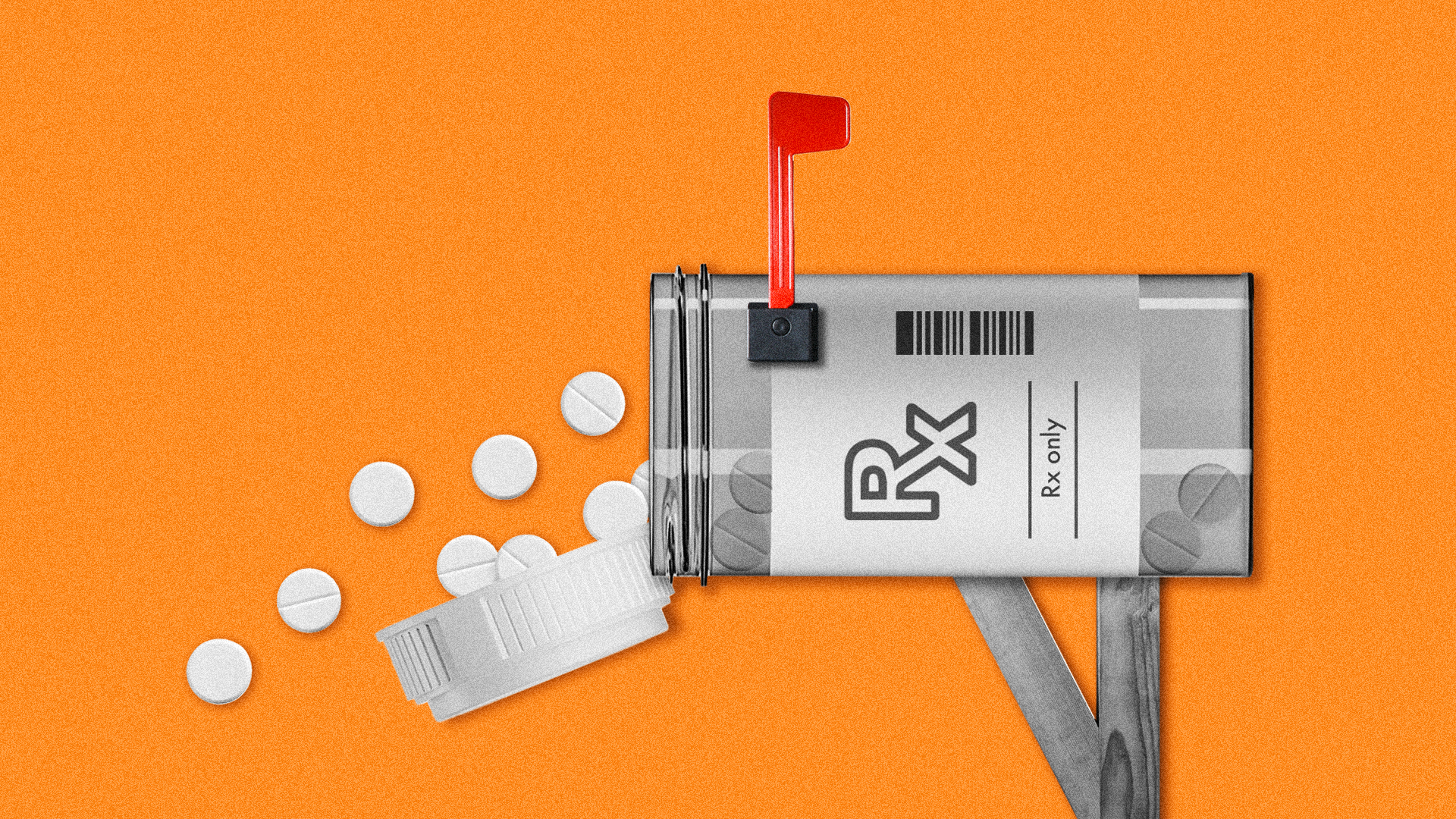
For the woman in Texas who opened it last month, the medication inside represented a lifeline to care that her state had banned. For anti-abortion advocates, it represented the next frontier in a legal war that did not end with the fall of Roe v. Wade.
On Thursday, the Supreme Court unanimously rejected a challenge to the Food and Drug Administration’s approval of mifepristone, preserving access to the most common method of abortion in the United States. But the ruling, which turned on standing rather than the substance of the case, left the door wide open for opponents to pursue restrictions through other channels. Already, state lawmakers and conservative legal groups are mapping out their next moves.
The decision did not address whether the FDA acted lawfully in loosening restrictions on mifepristone, including allowing it to be prescribed via telehealth and sent through the mail. That omission, legal analysts said, invites future challenges from states or individuals who can demonstrate direct harm. “This was a procedural loss, not a substantive victory,” said Mary Ziegler, a historian of abortion law at the University of California, Davis. “The anti-abortion movement is already regrouping.”
State-Level Efforts Accelerate
In states with abortion bans, prosecutors are testing whether existing laws against mailing abortion pills can be enforced against out-of-state providers. A Louisiana grand jury recently indicted a New York doctor for prescribing mifepristone to a patient in Baton Rouge, a case that could test the limits of interstate medical practice. Meanwhile, lawmakers in Missouri and Idaho have introduced bills that would explicitly criminalize the receipt of abortion pills by mail, targeting patients as well as prescribers.
These efforts reflect a broader strategy to shift the battlefield from federal courts to state legislatures and local courthouses. Unlike the Supreme Court challenge, which sought a nationwide ruling against the FDA, state-level actions can chip away at access piece by piece. “They are playing a long game,” said Greer Donley, a law professor at the University of Pittsburgh who studies reproductive rights. “The goal is to make it impossible to get pills anywhere in the country, even if the FDA says they are safe.”
The political calculus has also shifted since the Supreme Court overturned Roe v. Wade in 2022. Anti-abortion groups, emboldened by victories in conservative states, are now focusing on what they call “abortion trafficking” laws that penalize anyone who helps a resident obtain pills from another state. At least 14 states have introduced or passed such measures in the past year, according to the Guttmacher Institute, a research organization that supports abortion rights.
For patients in states with bans, the practical consequences are already visible. Telehealth providers in states where abortion remains legal report a surge in requests from women in Texas, Oklahoma and other restrictive states. But the legal uncertainty has led some clinics to stop mailing pills altogether, citing the risk of prosecution. “We are in a holding pattern,” said a provider in Massachusetts who spoke on condition of anonymity. “We don’t know if the next indictment will come for us.”