The administration’s effort to reframe the narrative comes as critics on both sides of the aisle have seized on the president’s handling of Iran, accusing the White House of lacking a coherent strategy. Senior officials have spent recent days batting down those attacks in briefings and off-the-record calls, insisting that the president’s approach is both deliberate and necessary. But behind the scenes, aides acknowledge that the foreign policy crisis has consumed the bandwidth they had reserved for promoting infrastructure investments and job growth.
The economic message that the White House had carefully honed over the winter has been repeatedly interrupted by breaking news from the Persian Gulf. The president’s aides have tried to weave economic talking points into their responses on Iran, arguing that stability abroad is essential for domestic prosperity. Yet they concede that the linkage has failed to gain traction with voters who are more focused on rising prices at the grocery store than on the administration’s diplomatic overtures to Tehran.
Publicly, the White House press secretary has maintained that the president can walk and chew gum at the same time, insisting that the administration is fully capable of managing both foreign policy crises and its domestic agenda. Privately, however, multiple administration officials described a sense of whiplash as they pivot from briefing reporters on the latest developments in the Gulf to trying to sell the president’s budget proposal to skeptical lawmakers.
A Delicate Balancing Act
The challenge is compounded by the fact that the White House’s own allies are divided. Some Democratic lawmakers have urged the administration to take a harder line against Iran, while others have warned against any military escalation that could distract from the president’s economic priorities. The president has attempted to straddle both camps, authorizing limited strikes while also leaving the door open to renewed negotiations.
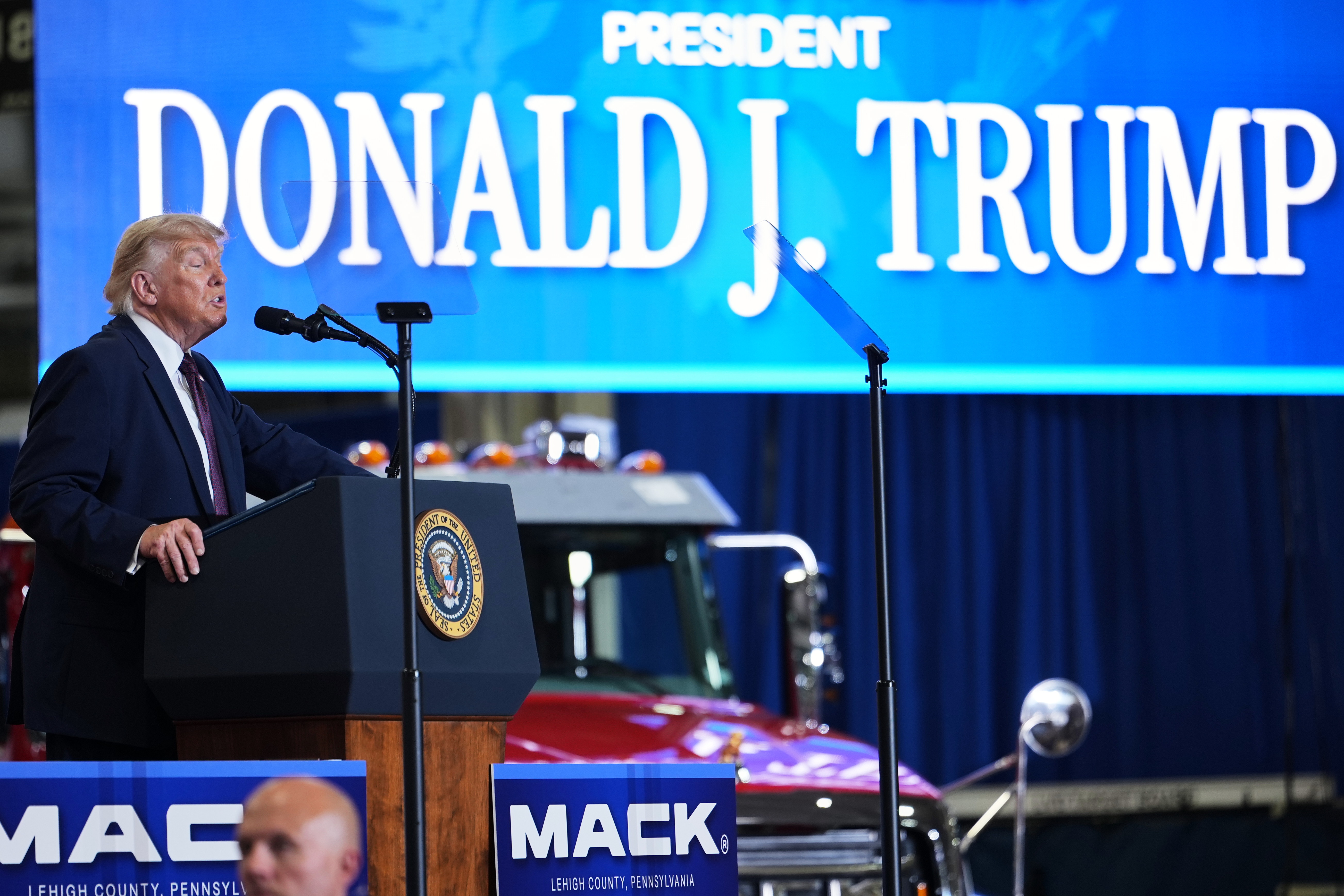
Senior advisers have mapped out a series of events in the coming weeks designed to reclaim the spotlight for the economy, including a presidential visit to a manufacturing plant in the Midwest and a rollout of new consumer protection rules. But those plans remain tentative, subject to change if the situation in Iran deteriorates further. One official involved in the planning acknowledged that the White House is essentially “waiting for the next shoe to drop” before committing to any major domestic push.
The tension between the two priorities was on display during a recent cabinet meeting, where the president spent the first 20 minutes fielding updates from the national security team before pivoting to a discussion of supply chain resilience. Several participants noted the jarring transition, with one describing the room as “visibly deflated” when the conversation shifted back to economic data. The episode underscored what aides now openly call the administration’s “Iran problem” not just abroad but at home.