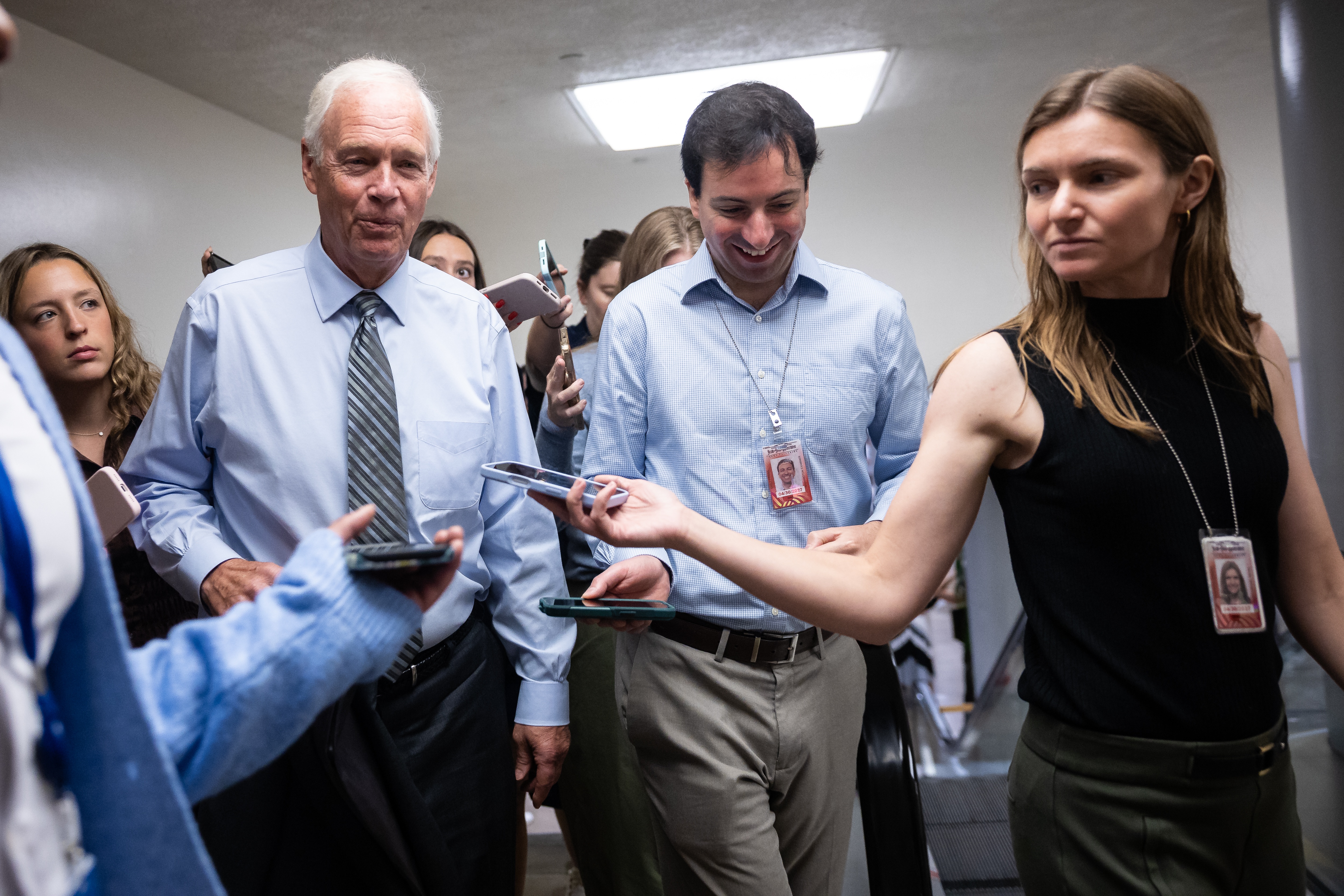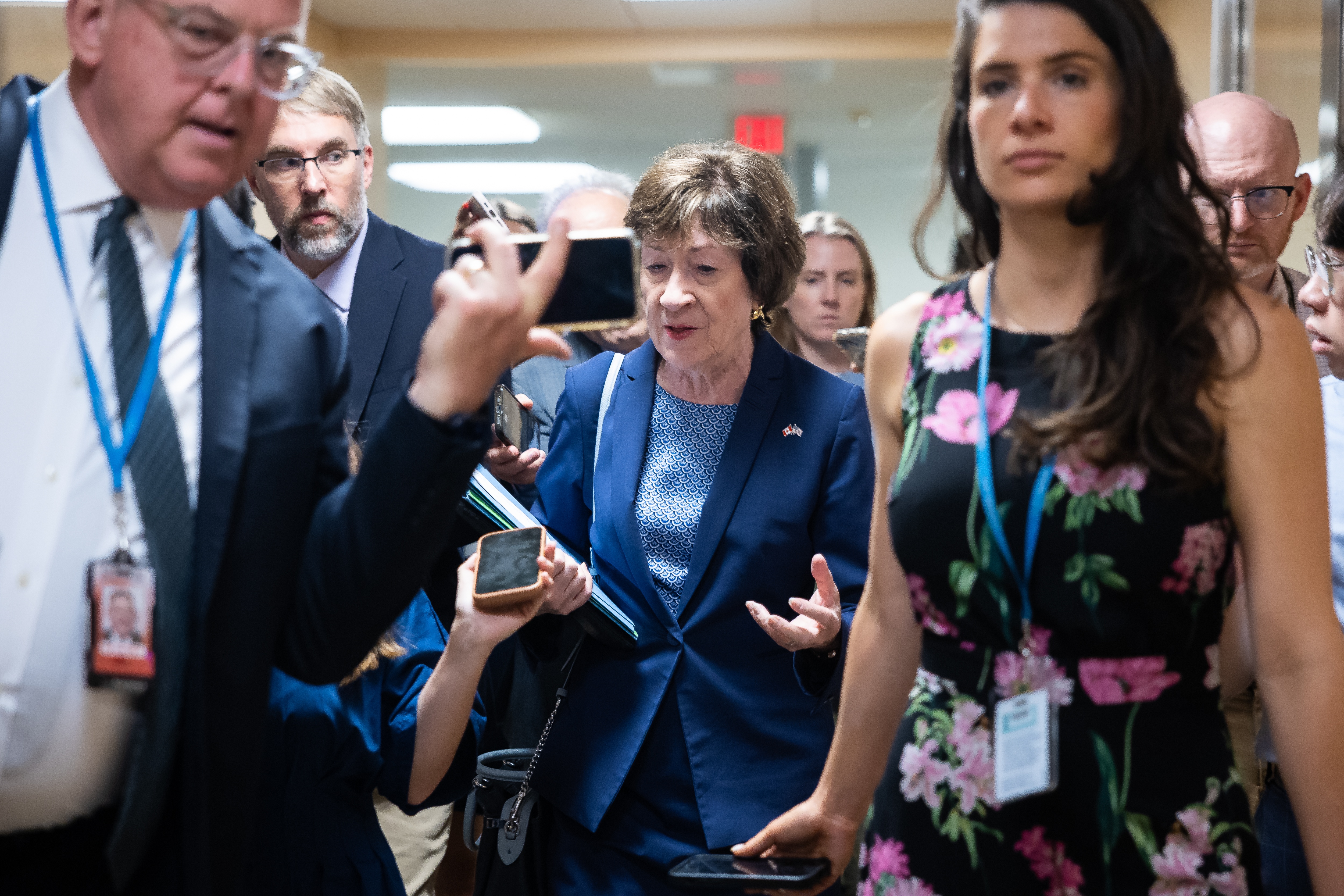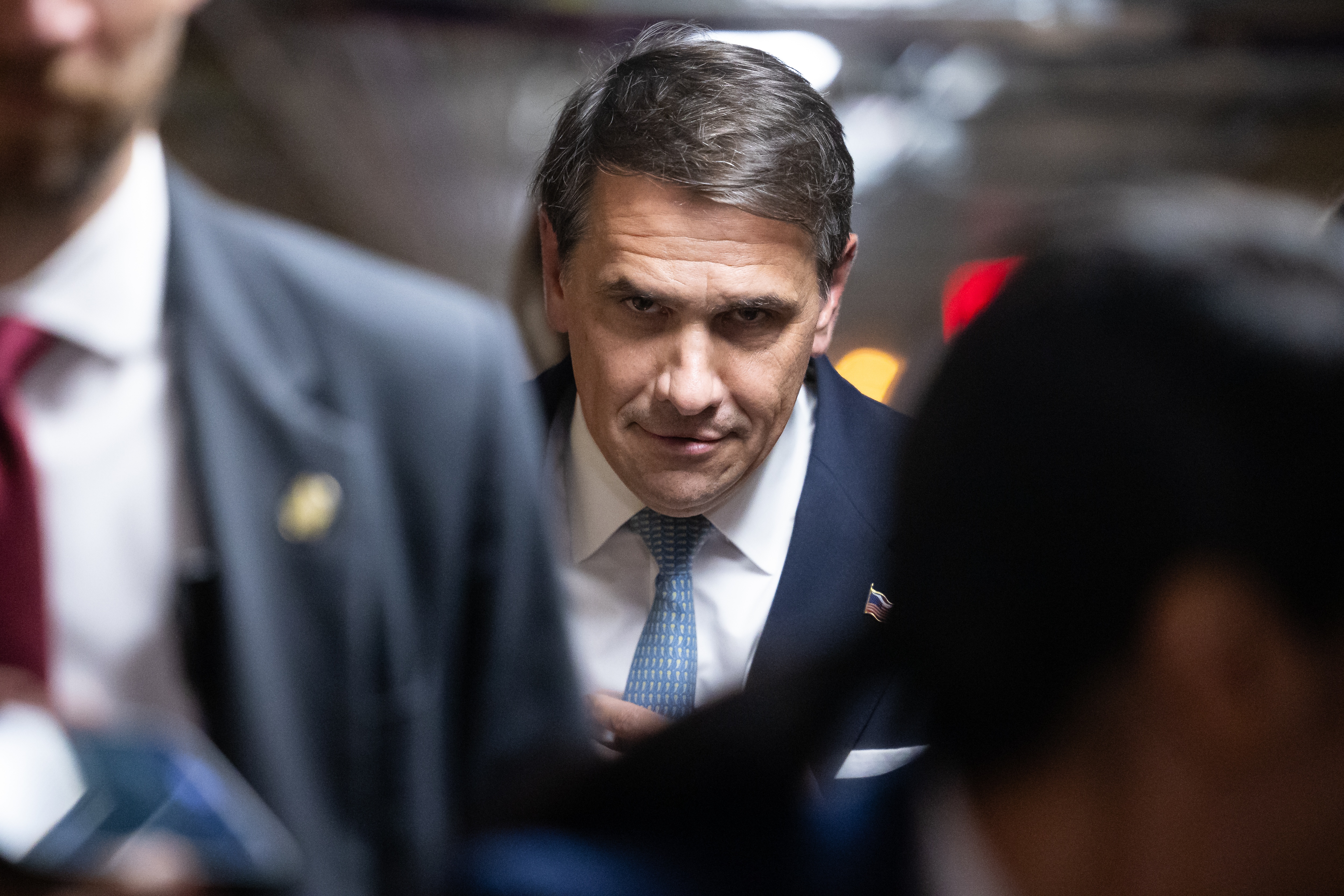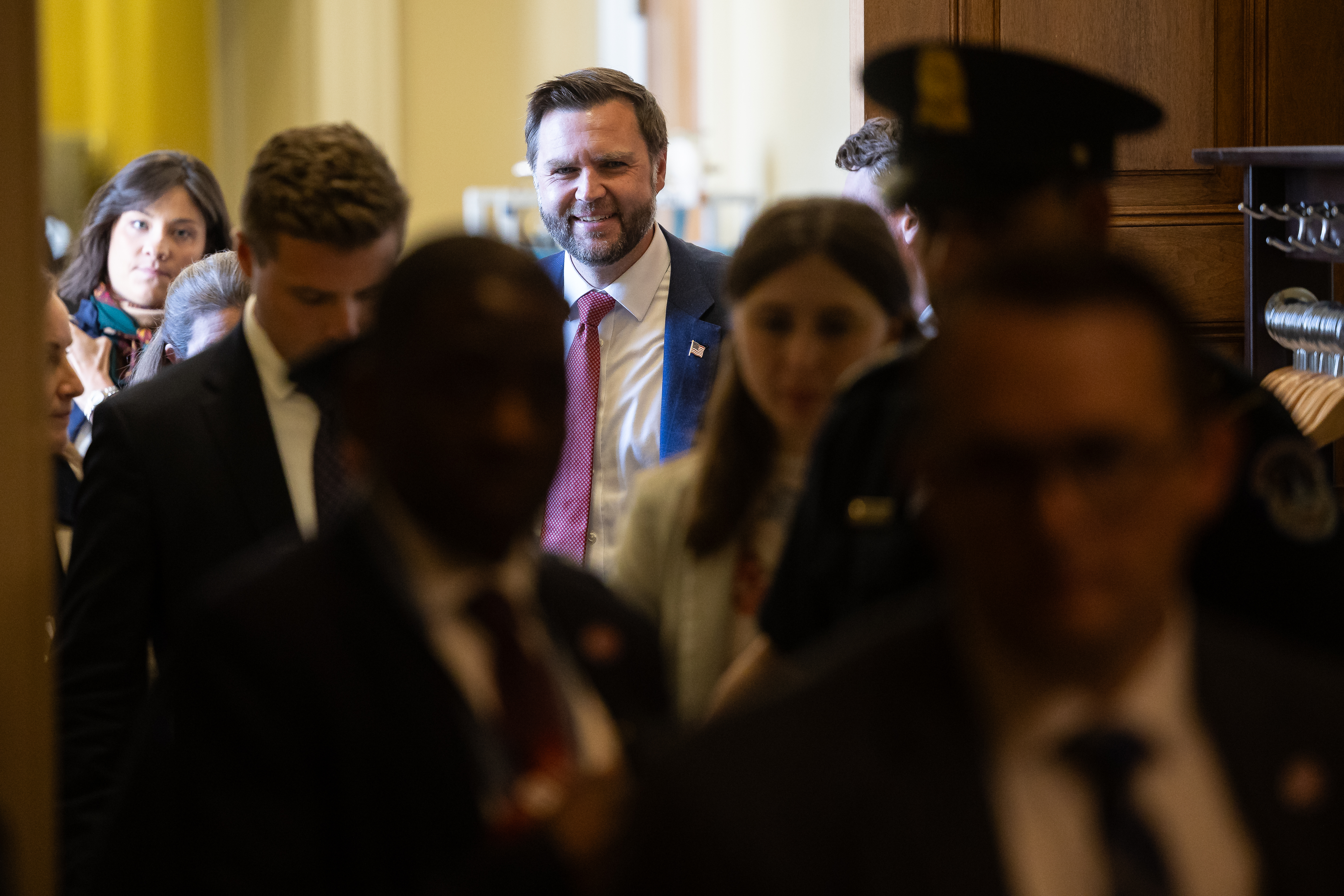
The room, typically filled with chatter about appropriations and confirmations, instead turned on the administration's high-stakes diplomatic gambit with Tehran, according to senators who attended.
Vance used the closed-door session to brief the conference on the state of peace talks with Iran, a subject that has increasingly divided the GOP between hawks demanding military action and pragmatists willing to test the diplomatic path. Several senators leaving the lunch described the vice president's presentation as a direct appeal for patience, urging the party to hold the line while the White House pursues a deal.
The visit comes as a faction of Senate Republicans grows restless with the administration's approach, pressing for a vote on a new authorization for the use of military force against Iran. That push has created an awkward dynamic for the White House, which has privately warned that a public congressional debate could undermine the leverage of U.S. negotiators at a fragile moment in the talks.
Senators who spoke on the condition of anonymity to relay the private discussion said Vance did not request a specific legislative outcome, but instead framed the negotiations as a window that could close quickly. He reportedly emphasized that the administration retains the option of force if diplomacy collapses, a message aimed at reassuring skeptics that the White House is not negotiating from a position of weakness.
The lunch appearance marks one of the vice president's most direct interventions in a foreign policy fight on Capitol Hill since taking office. It also signals a shift in strategy for the White House, which has largely relied on Secretary of State Marco Rubio and national security officials to carry the Iran brief to Congress.
GOP hawks remain unconvinced
Not all Republicans left the room satisfied. A small but vocal bloc of senators has argued that the administration is repeating the mistakes of the 2015 nuclear accord, which they contend empowered Tehran while enriching its proxies. Those members have signaled they will continue to push for a war powers resolution, even if it puts them at odds with the vice president and the broader party leadership.
Republican leaders, however, appear eager to avoid a public fracture. By bringing Vance to the lunch, leadership aimed to give the administration a chance to make its case directly, rather than allowing the debate to play out in dueling press releases. Whether that gambit holds will likely depend on the next round of talks, which diplomats have described as entering a critical phase.