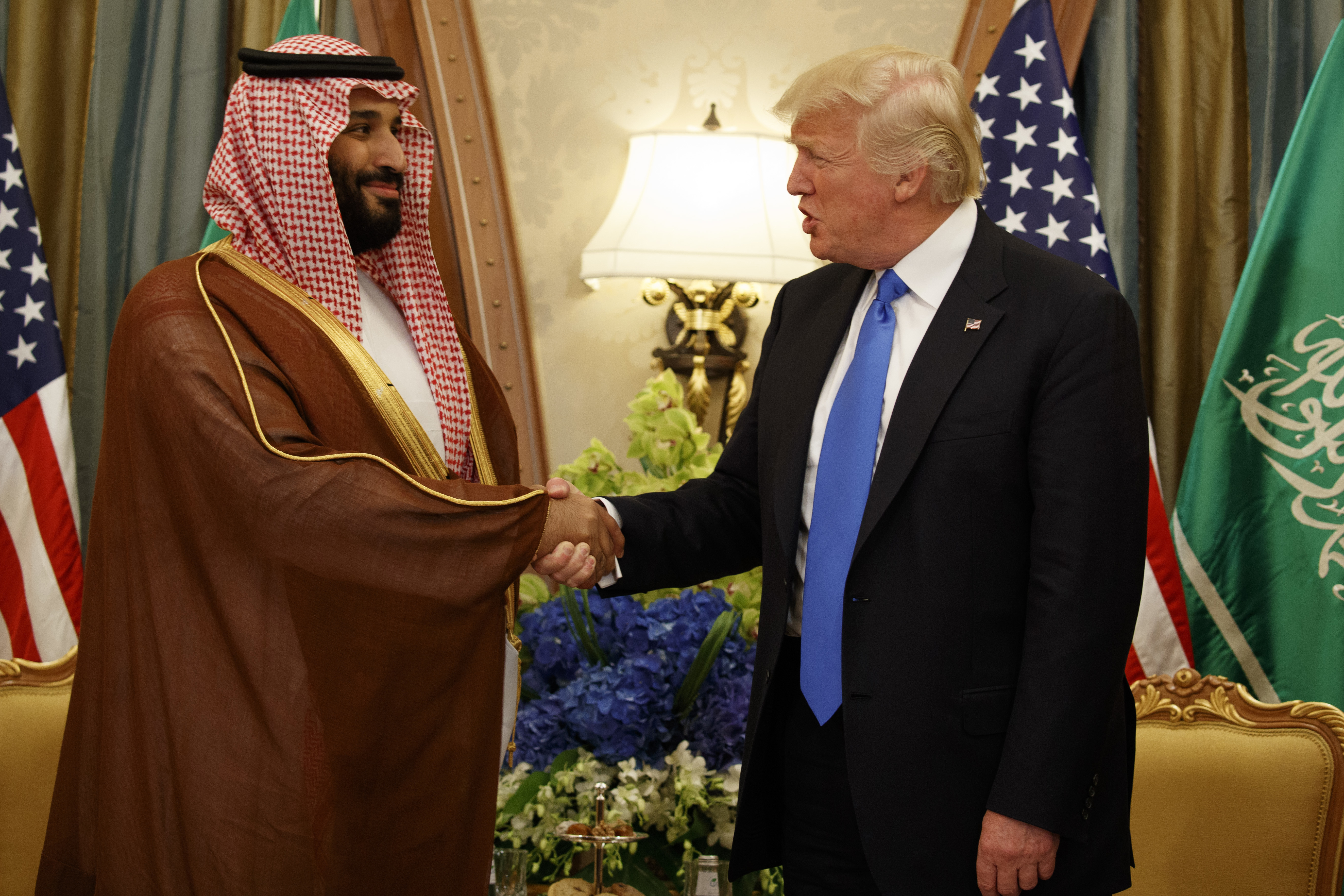
This week, the Trump administration quietly broke that impasse, announcing an agreement to export nuclear power materials to the kingdom in a deal that had been explored since the Obama era but never finalized.
The arrangement, which allows for the transfer of civilian nuclear technology and fuel, comes after years of stalled negotiations. Previous administrations had declined to move forward, citing persistent concerns over how the Saudi government would manage security and nonproliferation protocols at any future nuclear facilities. The new agreement, according to officials familiar with the terms, does not require Riyadh to forgo the ability to enrich uranium or reprocess spent fuel, a point that has drawn sharp scrutiny from arms control experts.
Under the terms of the deal, the United States will provide technical assistance and materials for Saudi Arabia’s planned civilian nuclear program, which the kingdom has long argued is necessary to diversify its energy grid away from oil. The agreement was reached without the so-called gold standard provision that previous U.S. administrations had insisted upon, which would have barred Saudi Arabia from enriching its own uranium or reprocessing plutonium, activities that can produce fissile material for nuclear weapons.
Security Concerns Remain Unresolved
The absence of that restriction has alarmed nonproliferation advocates, who warn that the kingdom could eventually develop the capability to produce a nuclear bomb. Saudi officials have repeatedly stated that if Iran develops a nuclear weapon, the kingdom would seek to match that capability. The Trump administration has defended the deal as a necessary step to strengthen bilateral ties and counter Iranian influence in the region, though critics argue it undermines decades of U.S. policy aimed at limiting the spread of sensitive nuclear technologies.
The agreement had been under exploration since the Obama administration, but negotiations repeatedly stalled over how to monitor compliance and ensure that nuclear materials would not be diverted for military use. Previous U.S. negotiators had insisted on rigorous inspection regimes and binding commitments from Saudi Arabia to forgo enrichment and reprocessing. The current deal, by contrast, relies on a framework of bilateral consultations and International Atomic Energy Agency safeguards, which some analysts say lack the enforcement teeth of the earlier proposals.
Congress is expected to review the agreement, though it is not required to formally approve it. Several lawmakers have already signaled they will introduce legislation to block the transfer unless Saudi Arabia agrees to stricter nonproliferation conditions. The administration has argued that the deal strengthens American influence over the kingdom’s nuclear trajectory, while opponents counter that it effectively cedes control over the most dangerous elements of the fuel cycle.
The announcement marks a significant shift in U.S. nuclear export policy and is likely to reshape the geopolitical balance in the Middle East. Saudi Arabia has also explored nuclear cooperation with China and Russia, and American officials have framed the deal as a way to keep the kingdom within the U.S. sphere of influence. Whether the agreement will hold under future administrations or survive congressional scrutiny remains an open question, but for now, the door to American nuclear exports to the kingdom has swung open.