The new directives also specifically target the practice known as “birth tourism,” where pregnant individuals travel to the U.S. specifically to give birth and secure citizenship for their child.
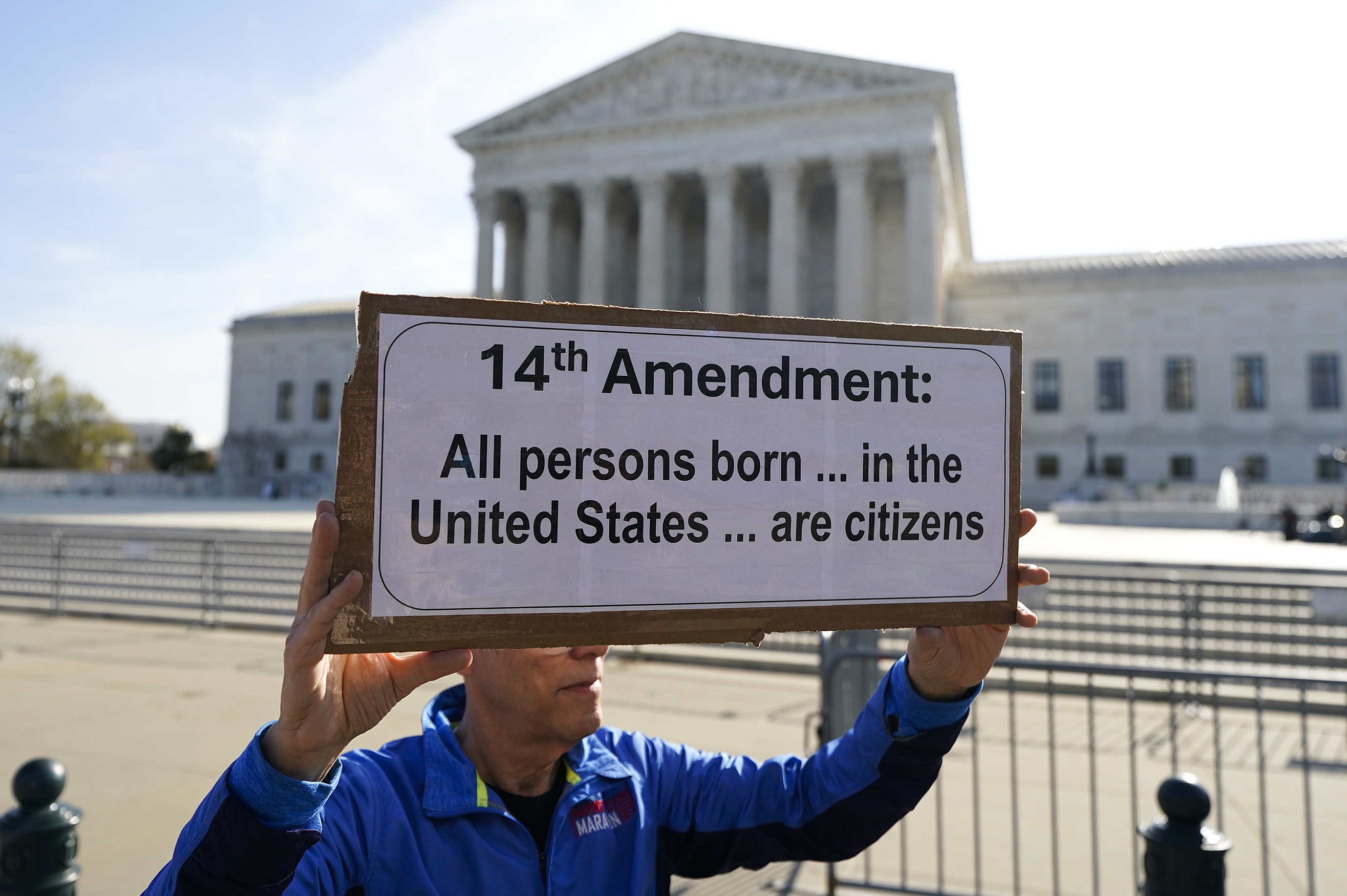
The orders represent the administration’s latest legal gambit to reinterpret the 14th Amendment, which grants citizenship to “all persons born or naturalized in the United States.” Legal scholars on both sides of the aisle have noted that the new language appears drafted to address the procedural deficiencies the Supreme Court identified in the earlier executive action, though constitutional experts remain skeptical that the revised approach will survive judicial review.
Under the new framework, the administration would deny citizenship to infants born to mothers who are in the country on temporary visas, such as tourist or student visas, or who are present without legal status. The orders direct federal agencies to cease issuing citizenship documents, including passports and Social Security numbers, for children who fall into these categories, effectively forcing a reinterpretation of the amendment without a formal constitutional change.
The “birth tourism” provision is a distinct escalation, explicitly instructing the State Department to deny visa applications from individuals suspected of traveling to the U.S. for the purpose of giving birth. Consular officers would be given new authority to investigate and reject such applicants, a process that immigration lawyers say could lead to widespread profiling of pregnant travelers and significant delays for legitimate visitors.
A Direct Challenge to the Courts
The timing of the orders is notable, coming weeks after the Supreme Court’s ruling that dismantled the president’s first attempt to end birthright citizenship. In that decision, the Court held that the executive branch lacked the authority to unilaterally redefine constitutional protections, but left the door open for a more narrowly tailored approach. The new orders appear to be an attempt to walk through that door, though they immediately face the same fundamental legal questions.
Immigration advocacy groups have already signaled their intention to file suit, arguing that the orders violate the plain text of the 14th Amendment and more than a century of settled precedent, including the landmark 1898 Supreme Court case United States v. Wong Kim Ark. That decision affirmed that children born on U.S. soil to non-citizen parents are citizens, a principle that has remained largely unchallenged until now.
Administration officials defended the orders as a necessary response to what they describe as an exploitation of American citizenship laws. “The president is acting to protect the integrity of citizenship,” one senior official said, speaking on the condition of anonymity. “These orders are a lawful exercise of executive authority to enforce existing immigration law and close loopholes that have been abused for decades.”
The practical impact of the orders, if upheld, would be profound. Analysts estimate that tens of thousands of children are born each year to parents in the U.S. on temporary visas, and a significant portion of those births are linked to birth tourism. Denying citizenship to these children would create a new class of stateless individuals, with no clear path to legal status in the country where they were born.
As legal challenges are prepared, the orders are expected to face an immediate injunction, sending the issue back to the courts for what promises to be another protracted battle. For now, the administration has framed the move as a matter of national sovereignty, while opponents describe it as an unconstitutional power grab that threatens the very definition of American identity.