The move represents the administration's most aggressive step yet in its ongoing campaign to dismantle China's choke points over critical global supply chains.
"We're making the products here, but we need to bring the supply chain here," Lutnick said at the announcement. "This will bring the supply chain here. We've got the industry here, it's too small, and it's going to explode." The Commerce Secretary indicated that the presidential order would establish a price floor for the material, a mechanism designed to prevent Chinese producers from undercutting domestic manufacturers through predatory pricing.
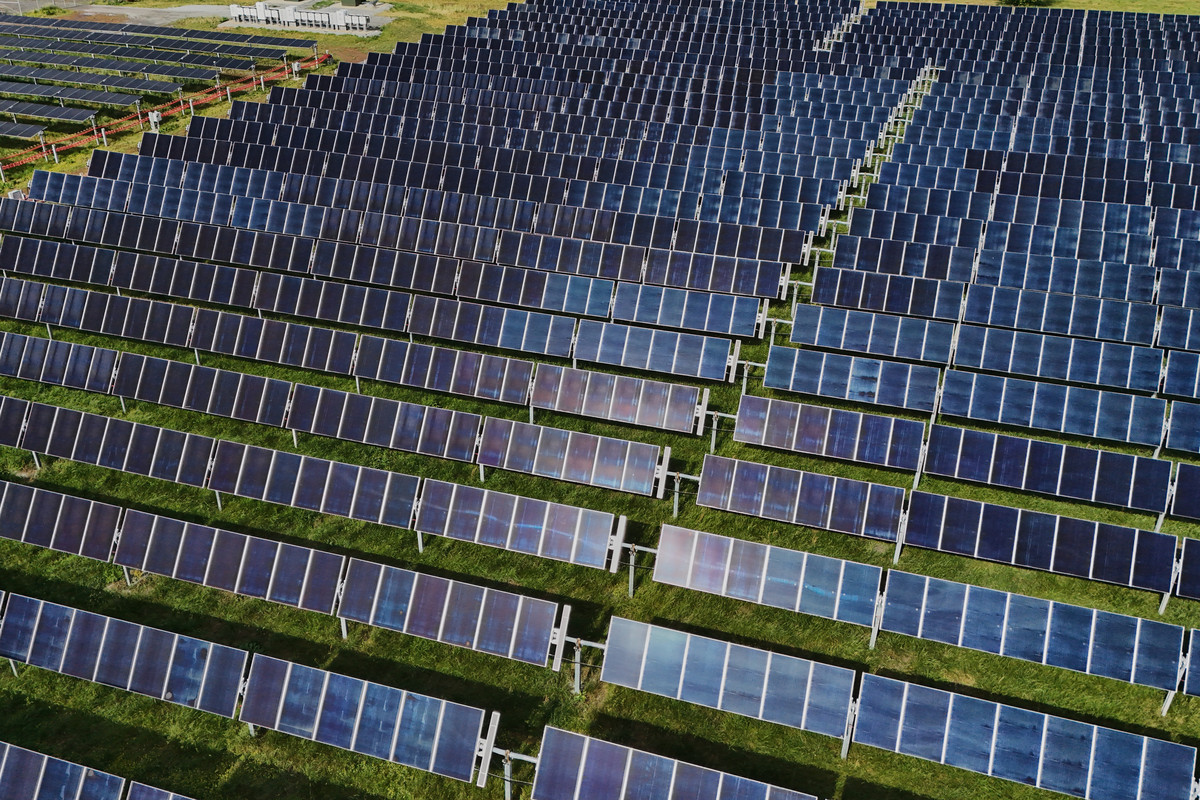
The directive follows a national security investigation into the polysilicon supply chain launched by the Commerce Department last July. While polysilicon is essential for manufacturing semiconductors, its primary commercial application lies in the production of solar panels, a sector where China holds a near-monopoly on global output. The White House framed the order as a dual-purpose measure, emphasizing its significance for domestic chip production as the United States races to expand artificial intelligence infrastructure.
Domestic Production Push
Trump asserted that the policy would dramatically reshape the global chip landscape, predicting that the United States would capture "a big percentage of the chip business" before he leaves office. The administration has increasingly focused on securing the upstream components of the technology supply chain, arguing that tariff protection is necessary to nurture a domestic manufacturing base that can compete with state-subsidized Chinese enterprises.
Industry analysts note that the tariffs could have an immediate and pronounced effect on the solar energy market, where American installers have long relied on inexpensive imported components. The price floor announced by Lutnick is intended to stabilize the market for U.S. producers, though it may translate to higher costs for downstream consumers and renewable energy developers.
The announcement signals a continuation of the administration's broader trade strategy, which has sought to use tariffs as leverage to force the repatriation of manufacturing jobs. By targeting polysilicon, the administration is addressing a critical vulnerability in the supply chain, a vulnerability that was exposed during recent global shortages of semiconductor materials.
Lutnick dismissed concerns about potential market disruption, arguing that the existing domestic industry is poised for rapid expansion under the protection of the new trade barriers. The Commerce Department's investigation had concluded that the reliance on foreign sources for such a strategic material posed a direct threat to national security, paving the way for Thursday's executive action.
The full scope of the tariffs, including specific rates and implementation timelines, is expected to be detailed in the coming weeks as federal agencies begin enforcing the order. The move is likely to draw sharp criticism from trading partners and could prompt retaliatory measures from Beijing, escalating tensions between the world's two largest economies.