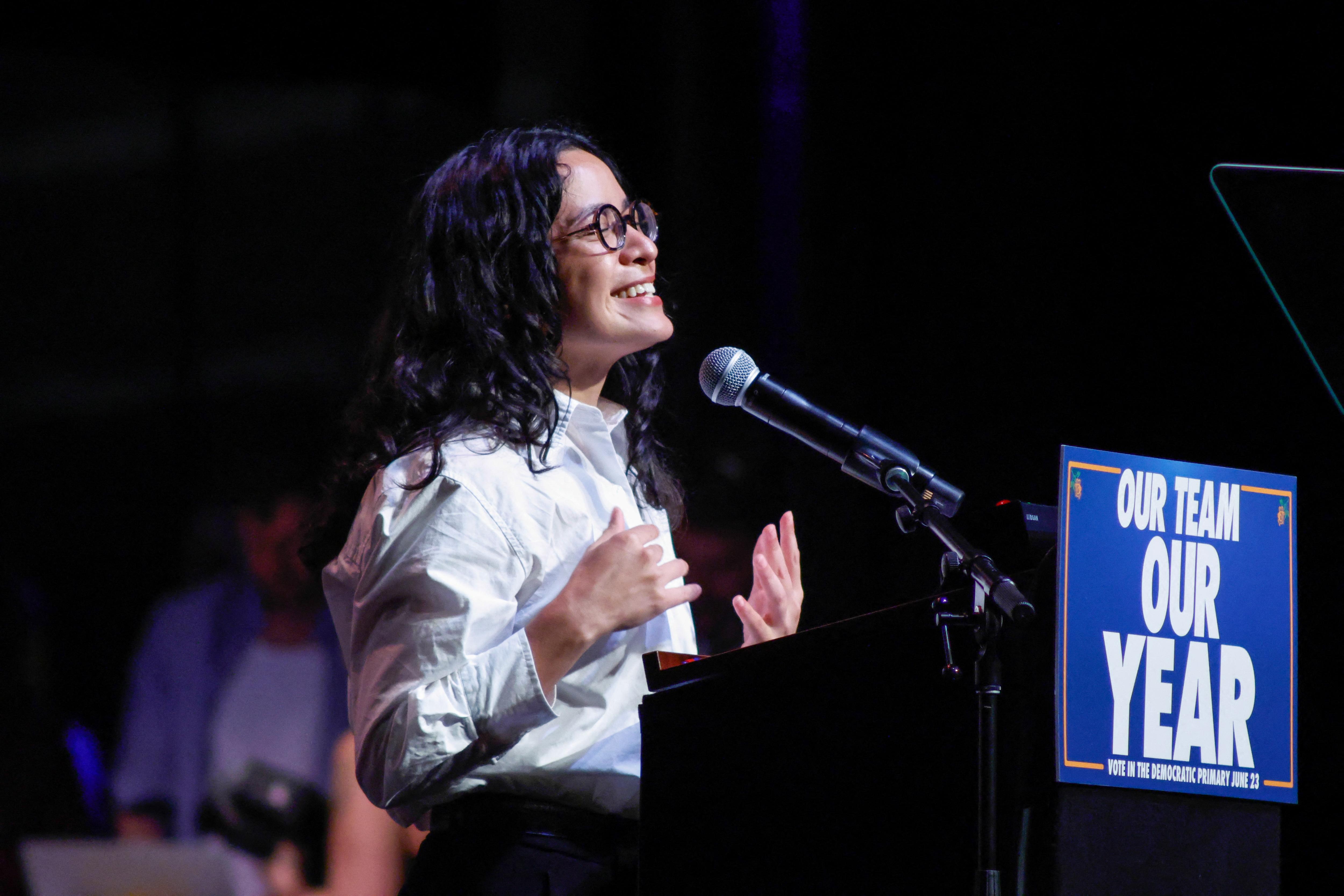
student and political newcomer, defeated Representative Adriano Espaillat, the chair of the Congressional Hispanic Caucus, in New York’s 13th Congressional District Democratic primary on Tuesday. The victory marked a significant upset in a district that stretches from Upper Manhattan into the Bronx, toppling a six-term incumbent who had not faced a serious primary challenge in years.
Avila Chevalier’s win was powered by a coalition of progressive activists and the organizational muscle of the Democratic Socialists of America, with strong backing from Mayor Zohran Mamdani. Mamdani, a prominent DSA figure and the mayor of New York City, had made the race a centerpiece of his broader push to install socialist allies in Congress, pouring resources and volunteers into the campaign. The result hands the DSA its most high-profile congressional victory since the 2018 election cycle.
Espaillat, 70, had represented the district since 2017 and was seen as a rising institutional power broker within the House Democratic caucus. His campaign emphasized his seniority and his ability to deliver federal funding for housing, infrastructure, and social services in a district with high poverty rates and a large immigrant population. But in recent months, critics on the left accused him of being too moderate on issues such as policing and affordable housing, creating an opening for a challenger who promised a more uncompromising progressive agenda.
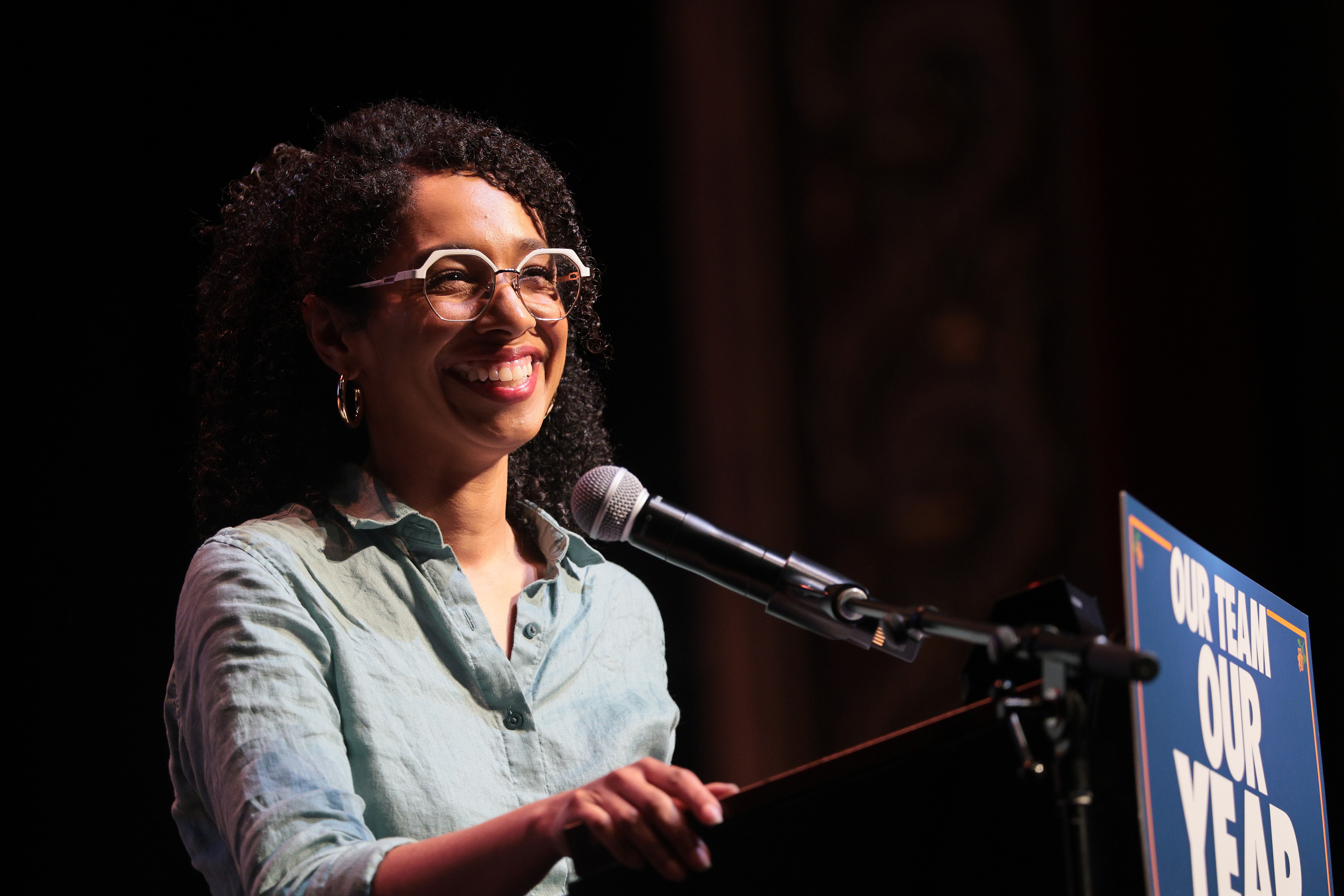
Avila Chevalier, who is completing a doctorate in urban policy at the City University of New York, centered her campaign on calls for a Green New Deal, Medicare for All, and the abolition of Immigration and Customs Enforcement. She also criticized Espaillat for accepting campaign contributions from real estate developers and corporate political action committees, casting herself as a candidate free from such financial ties. Her victory speech on Tuesday night framed the outcome as a rejection of the party establishment and a mandate for structural change.
The race drew national attention as a bellwether for the influence of the DSA and the broader socialist movement within the Democratic Party. Mamdani, who took office as mayor in 2022, has sought to expand his political footprint beyond City Hall, and the NY-13 primary was seen as a test of whether his brand of insurgent politics could translate to federal races. The result suggests that the DSA’s ground game, built on door-to-door canvassing and small-dollar fundraising, remains potent in urban districts with a strong activist base.
Implications for the Congressional Hispanic Caucus and House Dynamics
Espaillat’s defeat removes a veteran voice for Latino representation in Congress and leaves the Congressional Hispanic Caucus without its sitting chair. The caucus, which has often served as a bridge between the party’s progressive and moderate wings, now faces a leadership vacuum at a time when immigration policy and Latino voter engagement are central to national Democratic strategy. Avila Chevalier, who is of Dominican and Puerto Rican descent, has signaled that she will prioritize immigrant rights and climate justice, but her alignment with the DSA could place her at odds with more centrist members of the caucus.
The primary outcome also injects uncertainty into the general election in a safely Democratic district, where the nominee is all but assured a seat in Congress. Avila Chevalier will face a Republican challenger in November, but the district’s partisan makeup makes her victory in the primary the de facto election. Her arrival in Washington is expected to shift the ideological center of the New York delegation further to the left and could embolden other DSA-backed candidates in future primaries across the country.