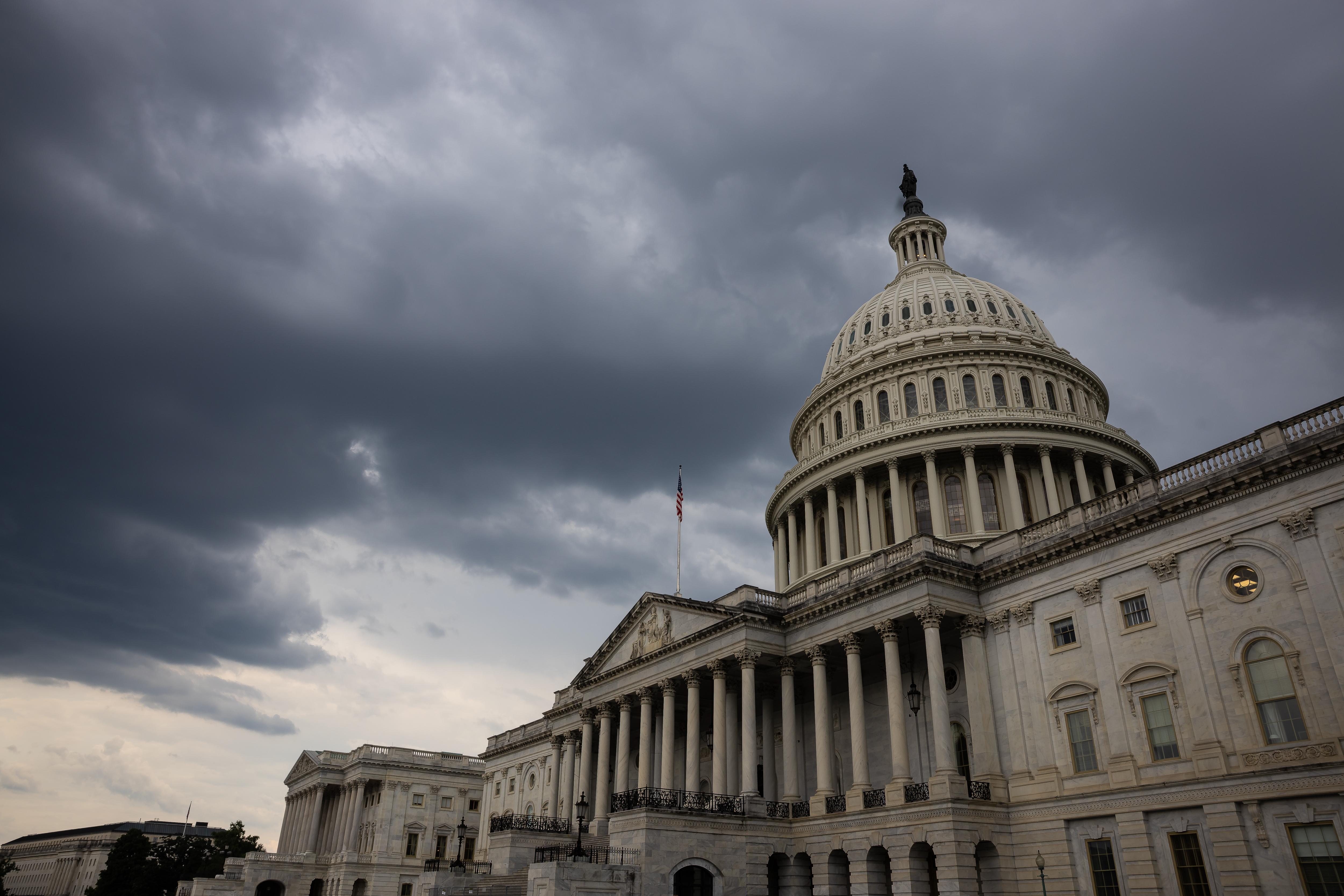
The measure, which passed by a margin of 55 to 45, drew support from eight Republicans who broke with their party to join Democrats in curbing the president’s war powers.
The vote dealt a stinging political blow to President Trump, who has long championed a hardline stance against Iran but recently pivoted to call for direct diplomatic talks. Administration officials had framed the push for a peace deal as a centerpiece of the president’s foreign policy legacy, making the legislative rebuke all the more notable for its timing and scope.
The House approved a similar resolution earlier this week, setting the stage for a potential veto showdown. Speaker Nancy Pelosi praised the Senate’s action as a constitutional check on executive overreach, arguing that Congress must reclaim its sole authority to declare war. “The American people deserve a voice before their sons and daughters are sent into harm’s way,” she said in a statement.
Proponents of the measure cited the January 2020 drone strike that killed Iranian General Qassem Soleimani as a flashpoint that escalated tensions without a clear congressional mandate. That attack, ordered by Trump, prompted Iran to launch retaliatory missile strikes against U.S. forces in Iraq, though no American casualties were reported. Lawmakers from both parties expressed alarm that the president could again order military action without prior approval.
Opponents, including Senator Tom Cotton, argued that the resolution would hamstring the commander in chief’s ability to respond to imminent threats. “This is a dangerous signal to send to our adversaries,” Cotton said on the Senate floor, warning that Tehran would interpret the vote as American weakness. The White House has threatened to veto the measure, calling it an unnecessary constraint on national security.
The legislative push gained momentum after a classified briefing last month in which administration officials failed to convince some skeptical lawmakers that the threat from Iran justified a broad authorization for military force. Senator Tim Kaine, a lead sponsor of the resolution, described the vote as a long overdue reassertion of congressional authority. “We cannot let one person decide when we go to war,” Kaine said.
Despite the bipartisan support, the measure faces an uncertain path to enactment. A two-thirds majority in both chambers would be required to override a presidential veto, a threshold that remains unlikely given Republican loyalty to Trump on national security matters. The vote, however, has already reshaped the political landscape, forcing the administration to defend its Iran strategy on multiple fronts.
The Senate’s action underscores a deepening rift between Congress and the executive branch over the scope of war powers, a tension that has simmered for decades. With the president now advocating for a negotiated settlement, the resolution serves as both a rebuke of past policy and a warning against future unilateral action, leaving the administration to navigate a volatile region with its hands partially tied.