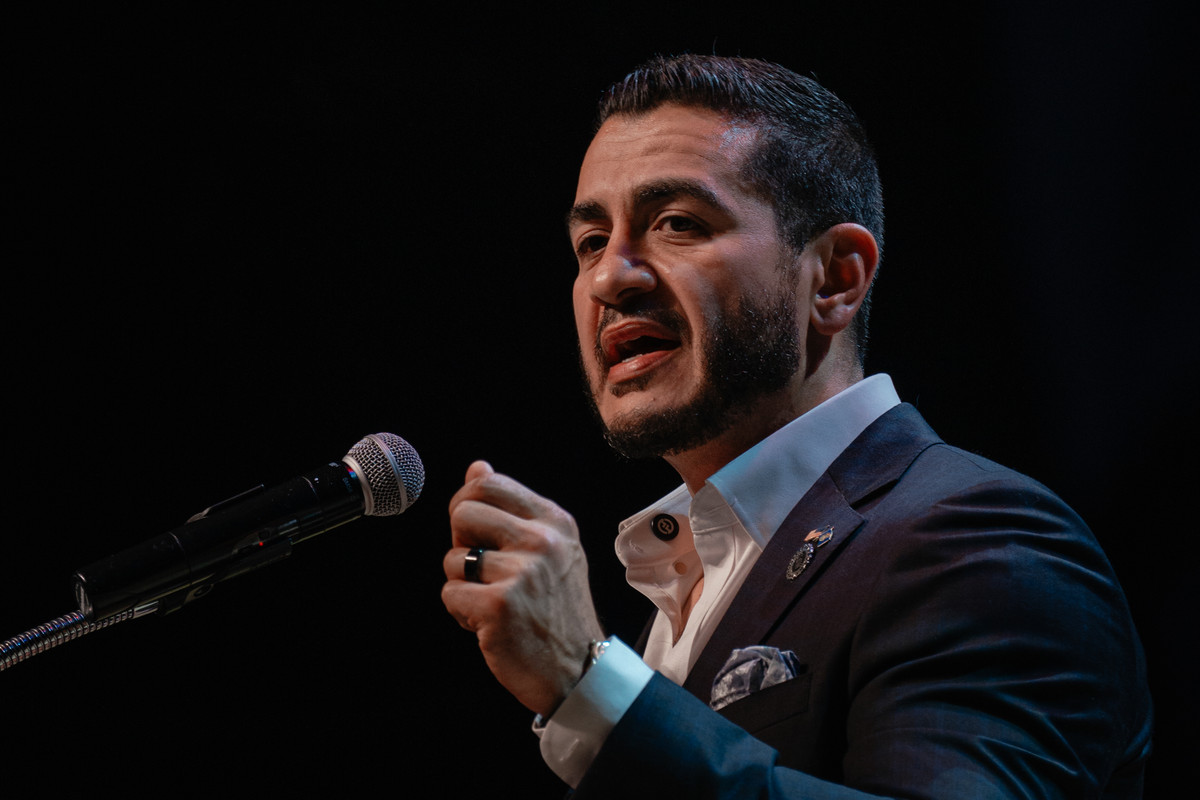
Less than 48 hours later, the Republican machine was already moving against him, with Mike Rogers launching a two-pronged offensive aimed at dismantling the coalition that carried El-Sayed to the nomination.
Rogers, the Republican nominee, has seized on the primary's bitter aftermath, leveling accusations that El-Sayed is "beyond antisemitic" and that he "hates Jewish people." The attacks echo statements made by President Donald Trump and mark the opening salvo in what is expected to be one of the most closely watched Senate races in the country. A spokesperson for El-Sayed dismissed the claims, pointing to his Wednesday interview on CNN where he rejected the accusations and pivoted to kitchen-table issues, saying Rogers is "more focused on me and what I'm going to do when we're living through an affordability crisis that is generational."
The Republican strategy extends beyond rhetoric. Rogers's campaign is actively working to court Jewish and Black voters, two constituencies that showed significant support for El-Sayed's primary opponent, Representative Haley Stevens. The outreach effort is targeting disillusioned Democrats and independents who backed Stevens in what became one of the most toxic and expensive Democratic primaries this year, according to campaign aides familiar with the plan.
Courting Disaffected Blocs
Republicans are making deliberate plans to connect with Black church and community leaders who supported Stevens during the contentious primary battle. The move reflects a broader Republican strategy to exploit divisions within the Democratic base, particularly among voters who may be wary of El-Sayed's progressive platform and his past criticism of Israel's policies.
El-Sayed, a physician and former Detroit health director, drew criticism during the primary for his stance on the Israeli-Palestinian conflict, a position that became a flashpoint in the race against Stevens. His campaign has maintained that his views are rooted in human rights advocacy, but Republicans see the issue as a wedge that could cost him support in a general election where Jewish voters in Oakland County and Black voters in Detroit could prove decisive.
The Democratic Party in Michigan is now racing to rebuild its divided coalition, with state party leaders calling for unity in the face of a well-funded Republican operation. Rogers, a former FBI agent and congressman, is expected to bring a record war chest to the general election, giving him the resources to saturate the airwaves with attacks on El-Sayed's record and character.
For El-Sayed, the path forward requires not only defending against Rogers's onslaught but also winning back the trust of Stevens supporters who remain skeptical of his candidacy. His campaign has signaled a focus on economic populism, hoping to bridge the gap with voters who prioritized other issues during the primary. Whether that message can withstand the Republican offensive remains an open question as Michigan becomes ground zero for one of the nation's most consequential Senate contests.