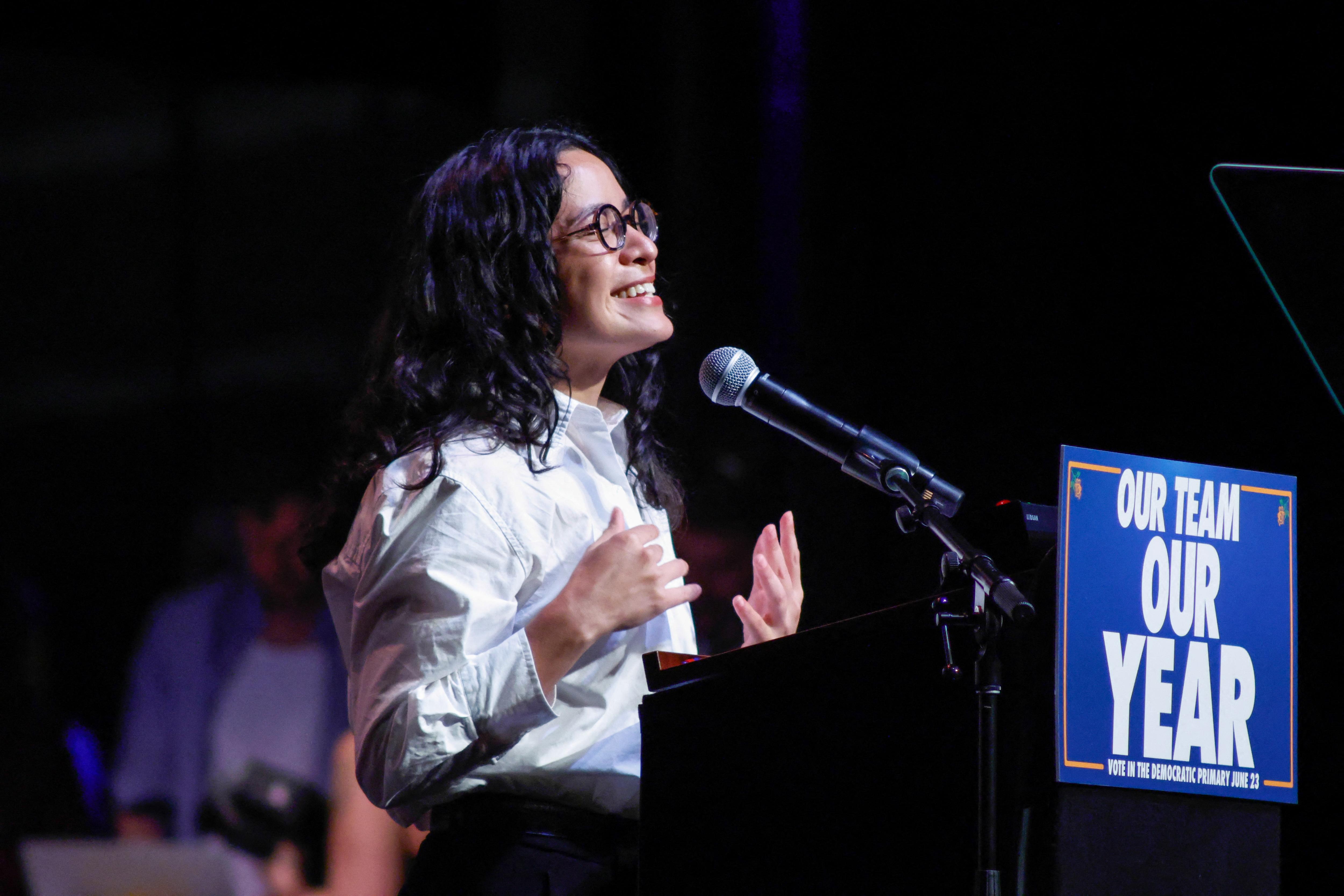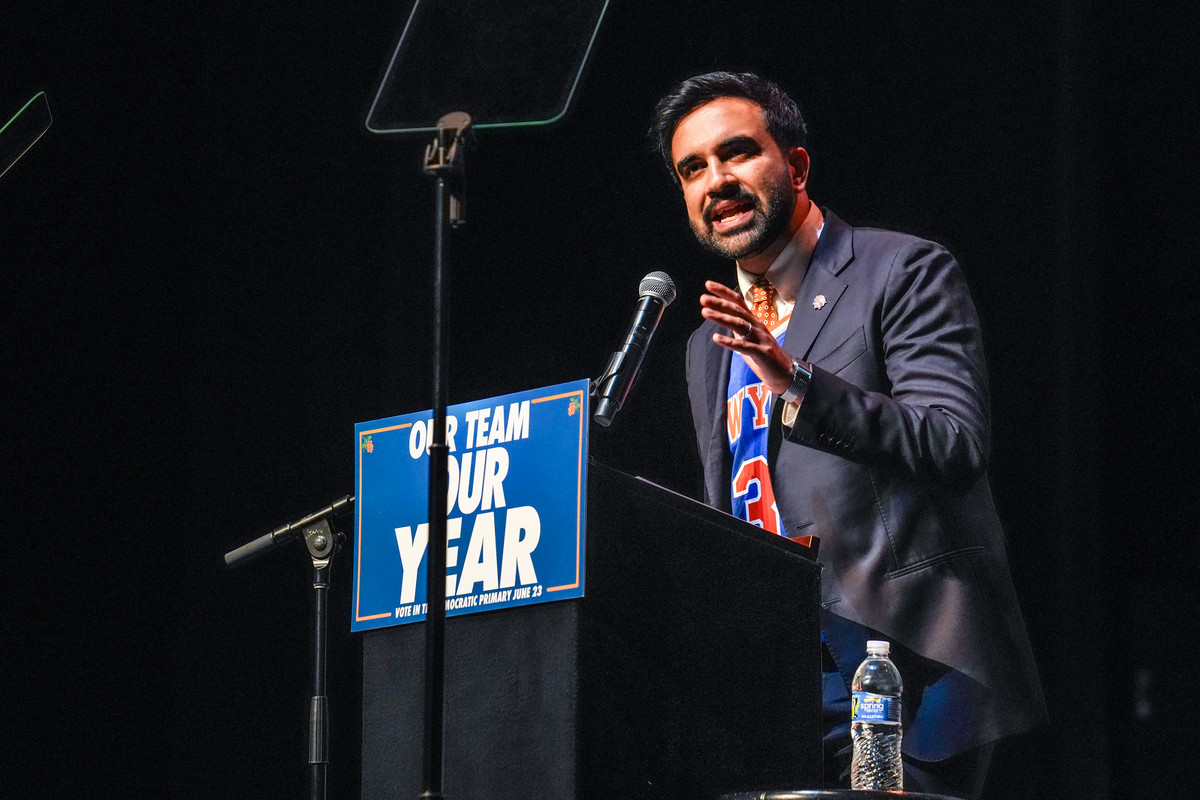
The candidates on stage with him said nothing.
Within days, Jewish leaders and advocacy groups condemned the remarks as a recitation of antisemitic conspiracy theories. Representative Josh Gottheimer, a New Jersey Democrat, posted on X that swapping “AIPAC” for “Jews” reveals “the oldest antisemitic conspiracy theory in the books.” He called the language “dangerous.”
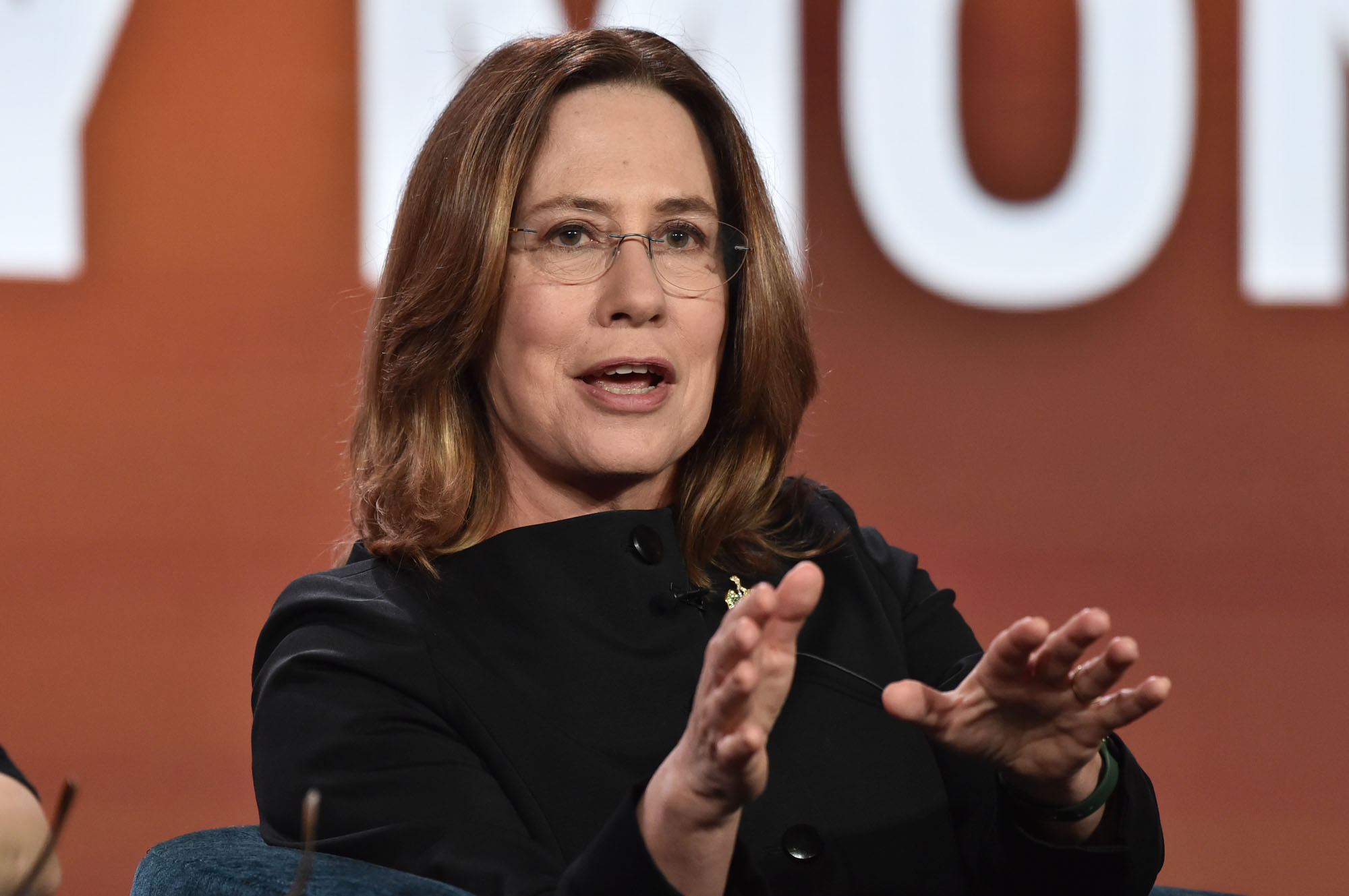
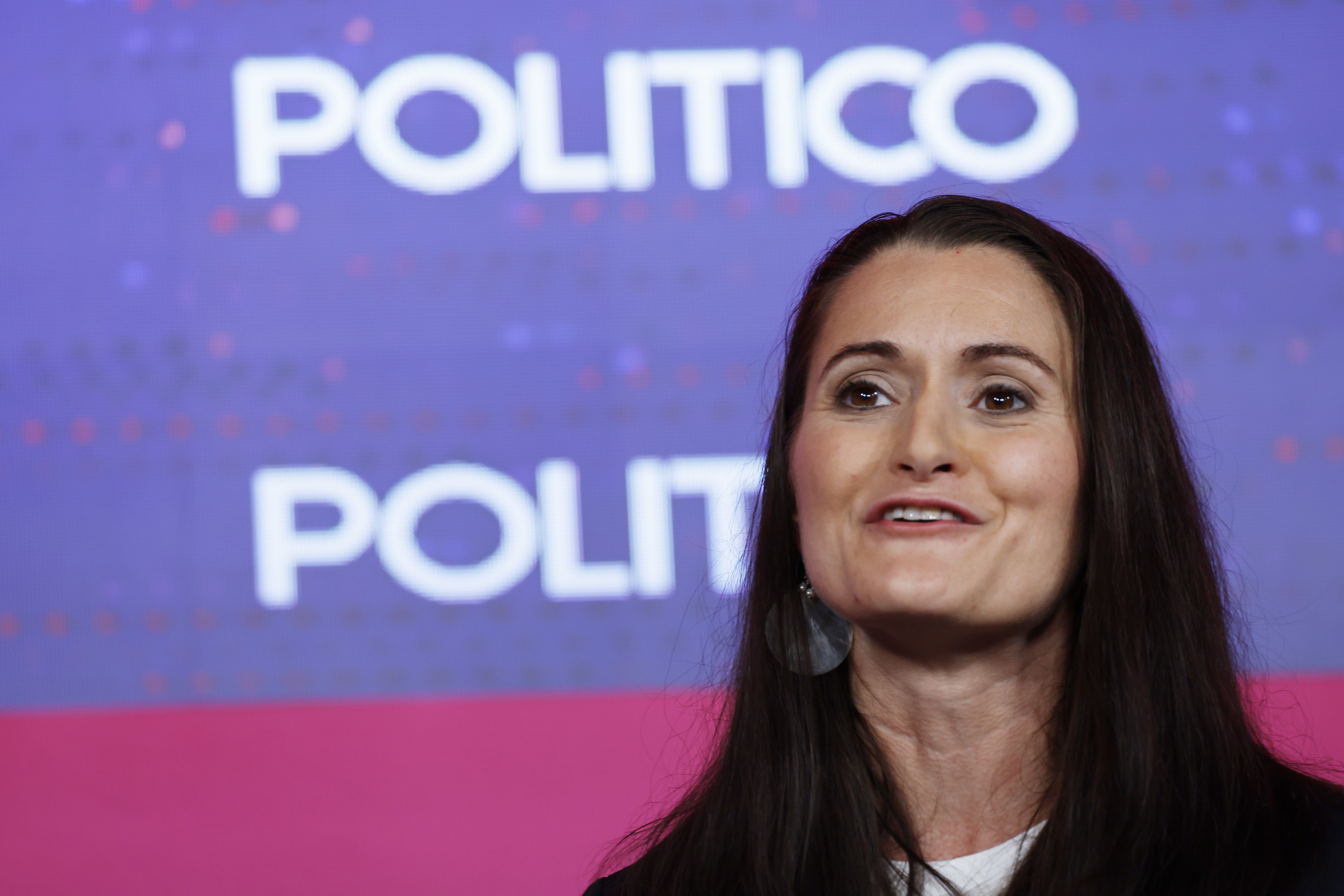
Yet none of the three House candidates Mamdani has endorsed in New York’s Democratic primaries have been willing to criticize the mayor’s comments. Brad Lander, Claire Valdez and Darializa Avila Chevalier, who appeared alongside Mamdani at the rally, have either defended the mayor or declined to address the controversy at all. Their silence reflects a growing reluctance among New York candidates to distance themselves from attacks on AIPAC, even as the backlash intensifies.
Fear of Voters Outweighs Fear of Backlash
The mayor’s remarks landed as the pro-Israel lobby looms over this year’s Democratic primaries, even though AIPAC has largely stayed out of most races. A recent statewide poll found that 51 percent of likely voters and 70 percent of Democrats believe Israel is committing genocide against Palestinian people in Gaza. Candidates appear to be calculating that alienating voters who despise AIPAC poses a greater political risk than angering Jewish leaders.
Rabbi Yaacov Behrman, a liaison for the Hasidic Lubavitch sect, told reporters he was “horrified” by Mamdani’s outburst. He argued the mayor’s language could be interpreted as “a silent endorsement of violence.” Behrman is among a group of local Jewish leaders who have met privately with Mamdani to discuss efforts to combat antisemitism. “The mayor has a responsibility to watch the way he speaks,” Behrman said.
Not all Jewish leaders agreed. Moshe Indig, a Hasidic rabbi and leader in Brooklyn’s anti-Zionist Satmar sect, called the accusations of antisemitism disingenuous. “The idea that ‘monster’ means antisemitism — definitely not,” said Indig, who endorsed Mamdani before last year’s mayoral election. He argued that critics are simply upset that the mayor opposes the Israeli government and will find fault “no matter what word he uses.”
Mamdani defended his remarks on Monday, insisting he was criticizing a political lobby rather than Jewish people. But the political fallout is far from settled. With primary voters increasingly sympathetic to the Palestinian cause and candidates unwilling to cross the mayor, the episode has laid bare a deepening divide in New York’s Democratic coalition over Israel and the groups that support it.