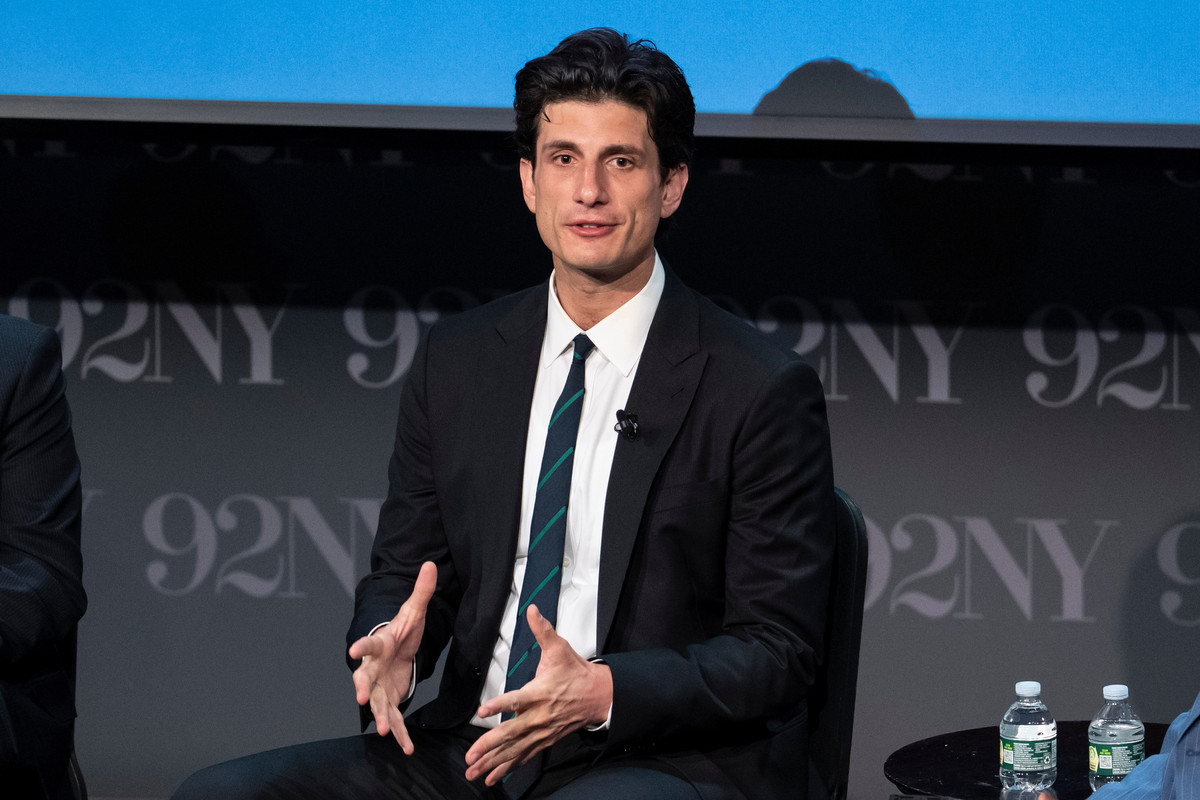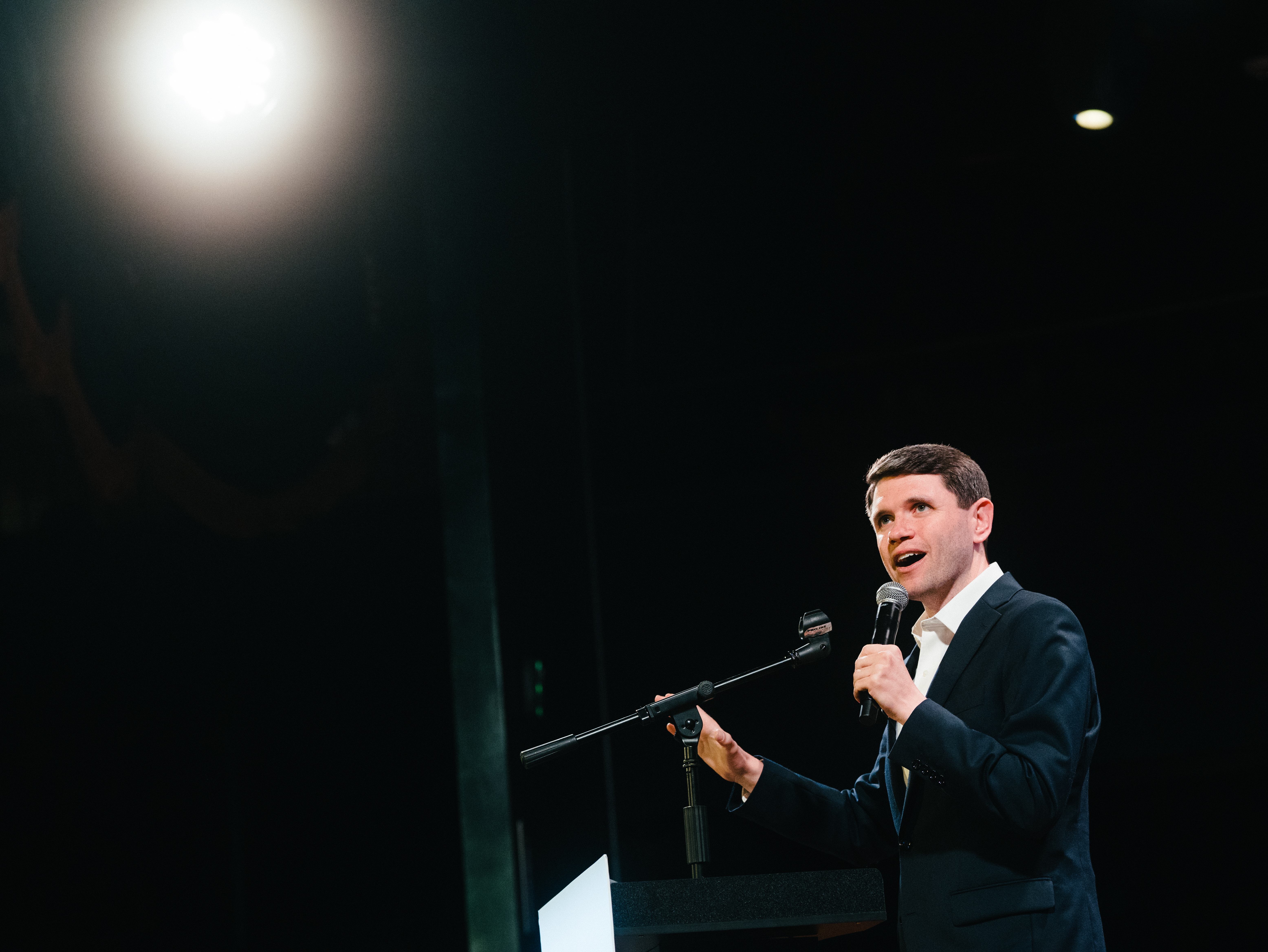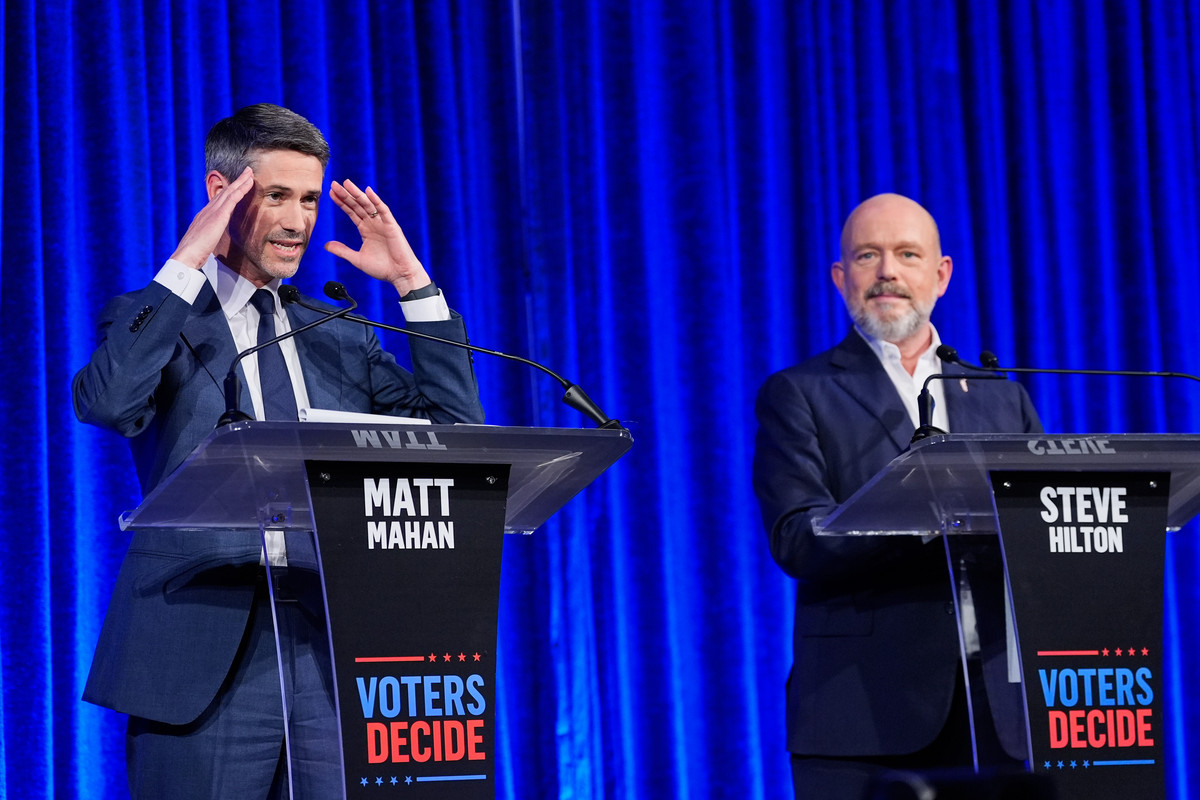
But the San Jose mayor, introduced as the tech sector’s great hope for California’s highest office, looked less like a rising force than a candidate struggling to be heard. The applause was polite. The momentum he needed was nowhere to be found.
Silicon Valley’s ambitious bet on Mahan is now faltering badly with just one week left before the June primary, a collapse that has sparked recriminations among donors, frustration among strategists and a wave of second-guessing about whether the tech industry’s political coming-of-age was ever realistic. Mahan entered the wide-open governor’s race as the chosen champion of a cohort of centrist tech billionaires: a former entrepreneur with founder credentials, elite backers and promises of tens of millions of dollars to catapult him through the primary. But the campaign has become a cautionary tale about an untested candidate and inexperienced donors chasing a vision that has failed to materialize.
Undergirding the disappointment is a characteristically Silicon Valley attitude about setbacks and millions squandered. They went fast and broke things, and in the process learned something about politics. “This is our education,” said Garry Tan, a venture capitalist who has been one of Mahan’s most vocal supporters. “This is first grade, second grade for me, personally. We won’t be first and second graders forever.”
The case for Mahan’s viability always rested on an infusion of quick cash. As a first-term mayor who was unknown to most Californians, Mahan would need an enormous windfall to propel him into contention, especially after entering the race late and leaving himself just months to break through. Supporters helped lure him in by assuring him the money would be there. It was a plausible promise. A former tech entrepreneur with a Harvard connection to Facebook co-founder Mark Zuckerberg, Mahan nurtured deep ties to his hometown industry and followed a line of tech-friendly California Democrats like Rep. Sam Liccardo.
Joe Green, a Harvard roommate of Zuckerberg’s who recruited Mahan to his startup more than a decade ago, became campaign chair and a conduit to the industry. An outside committee backing Mahan quickly raised millions of dollars. Bay Area venture capitalist Michael Moritz and Los Angeles mall magnate Rick Caruso, who passed on running himself, backed Mahan and worked their connections to raise money. Green, Moritz and Caruso did not respond to requests for comment.
The money never matched the ambition
But the financial reality fell far short of the promises. The principal independent expenditure committee’s presentation to donors estimated they would need around $46 million to compete effectively. It managed roughly half of that. “He raised the worst-of-all-worlds kind of money,” said a campaign supporter who was granted anonymity to speak candidly about internal frustrations. The shortfall left Mahan unable to introduce himself to voters across a sprawling, expensive state where television advertising is a prerequisite for viability.
The underwhelming performance has become a humbling experience for some of Mahan’s backers in tech, many of them relative newcomers to state politics who are working to build enduring political power in California. For an industry accustomed to disrupting markets and reshaping entire sectors of the economy, the slow and messy work of retail politics has proved a stubborn challenge. Whether the lessons learned in this first grade of political education will translate into future victories remains an open question, one that may determine not just Mahan’s fate but the trajectory of tech’s influence in Sacramento for years to come.