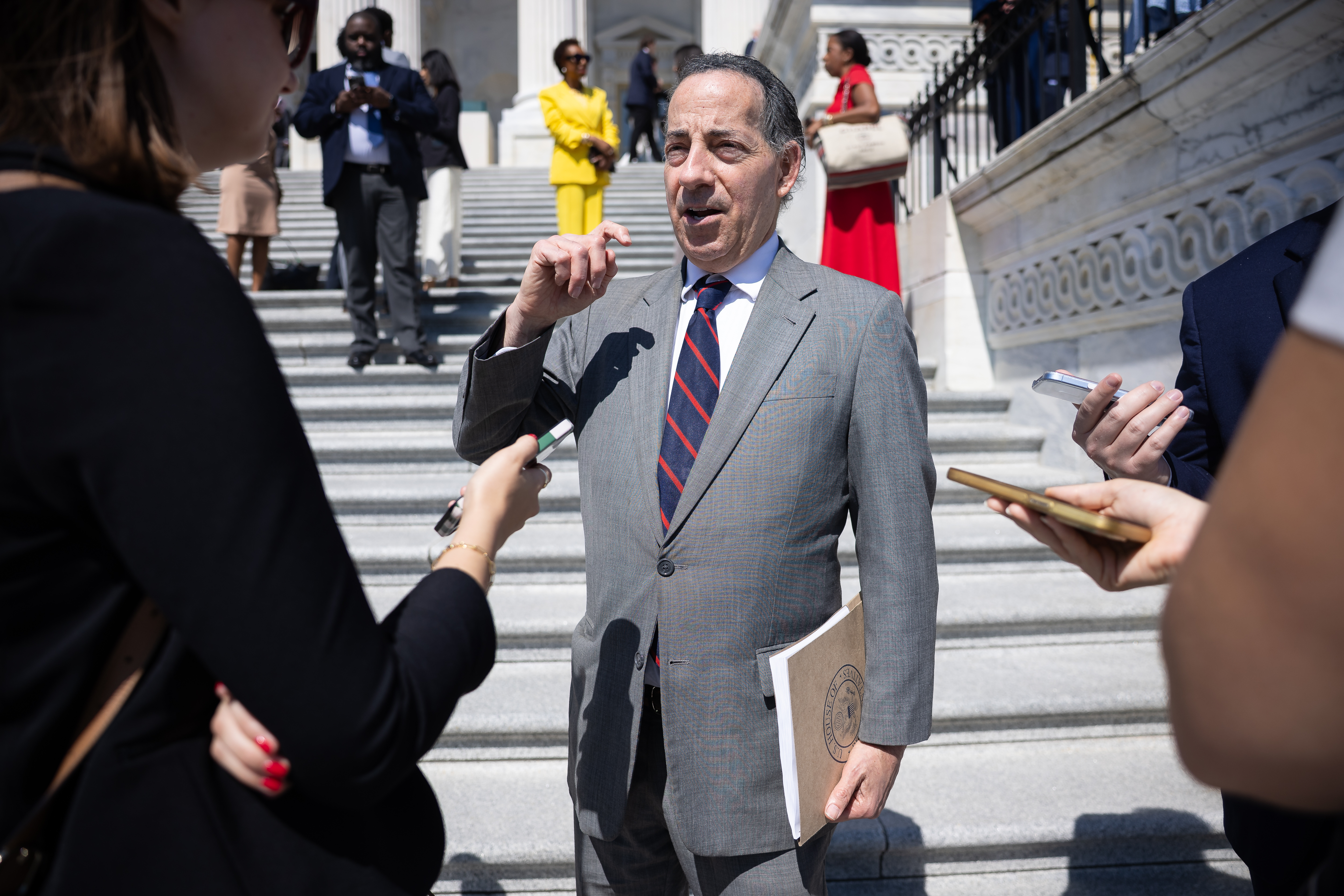
Representative Jamie Raskin of Maryland sent the request in a letter that signals growing bipartisan unease over the deal’s potential impact on the entertainment industry and the free flow of information.
The letter, dispatched this week, asks Ellison to appear before committee staff to answer questions about the transaction’s structure, its implications for content diversity, and the governance of Paramount’s board. Raskin’s move follows a series of earlier inquiries from the committee, which has sought internal documents and communications related to the merger’s negotiations. The request for a transcribed interview, rather than a public hearing, suggests the panel is in a fact-finding phase, building a detailed record that could inform future legislative or regulatory action.
At the heart of the scrutiny is the consolidation of one of Hollywood’s most storied studios into the hands of a single, well-financed entity. Skydance, backed by significant private equity, has proposed to acquire a controlling stake in Paramount, a deal that would combine a major film and television producer with a legacy broadcaster that includes CBS. Lawmakers on both sides of the aisle have expressed concern that such a tie-up could reduce competition, leading to fewer independent voices and a homogenization of programming.
Antitrust and the Changing Media Landscape
Raskin’s letter specifically probes how the merged company would handle news operations, a critical area given Paramount’s ownership of CBS News. The congressman is seeking assurances that journalistic independence would be preserved under new ownership, a question that has become increasingly salient as traditional media companies struggle to compete with streaming giants and social platforms. The committee’s interest reflects a broader legislative push to understand how concentrated ownership affects the public’s access to reliable information.
The request also arrives at a delicate moment for the deal, which has already faced review by federal antitrust regulators. While the Department of Justice and the Federal Trade Commission have not publicly moved to block the transaction, the congressional probe adds a layer of political pressure. For Ellison, agreeing to the interview would mark a departure from the typical corporate playbook of engaging with regulators behind closed doors, potentially exposing the merger’s strategic rationale to public scrutiny.
Paramount has not yet responded publicly to the invitation, and a spokesperson declined to comment on the record. However, sources familiar with the company’s thinking suggest that Ellison is likely to cooperate, given the committee’s subpoena power. A refusal to appear voluntarily could prompt the committee to compel testimony, a more adversarial path that would likely draw unwanted attention to the merger’s details.
The outcome of this interview could shape the political climate for the deal’s final approval. If Raskin and his colleagues find that the merger poses systemic risks to media plurality, they could use their platform to pressure regulators or introduce legislation aimed at slowing consolidation. Conversely, a smooth exchange might reassure lawmakers that the transaction is a routine business matter, clearing a path for its completion.
For now, the ball is in Ellison’s court. The invitation, while not a subpoena, carries the weight of a committee that has shown a willingness to dig deep into the mechanics of corporate power. As the media landscape continues to fracture, the question of who controls the stories we see is no longer just a business story; it is a political one, and Raskin’s letter makes clear that Congress intends to have a say.