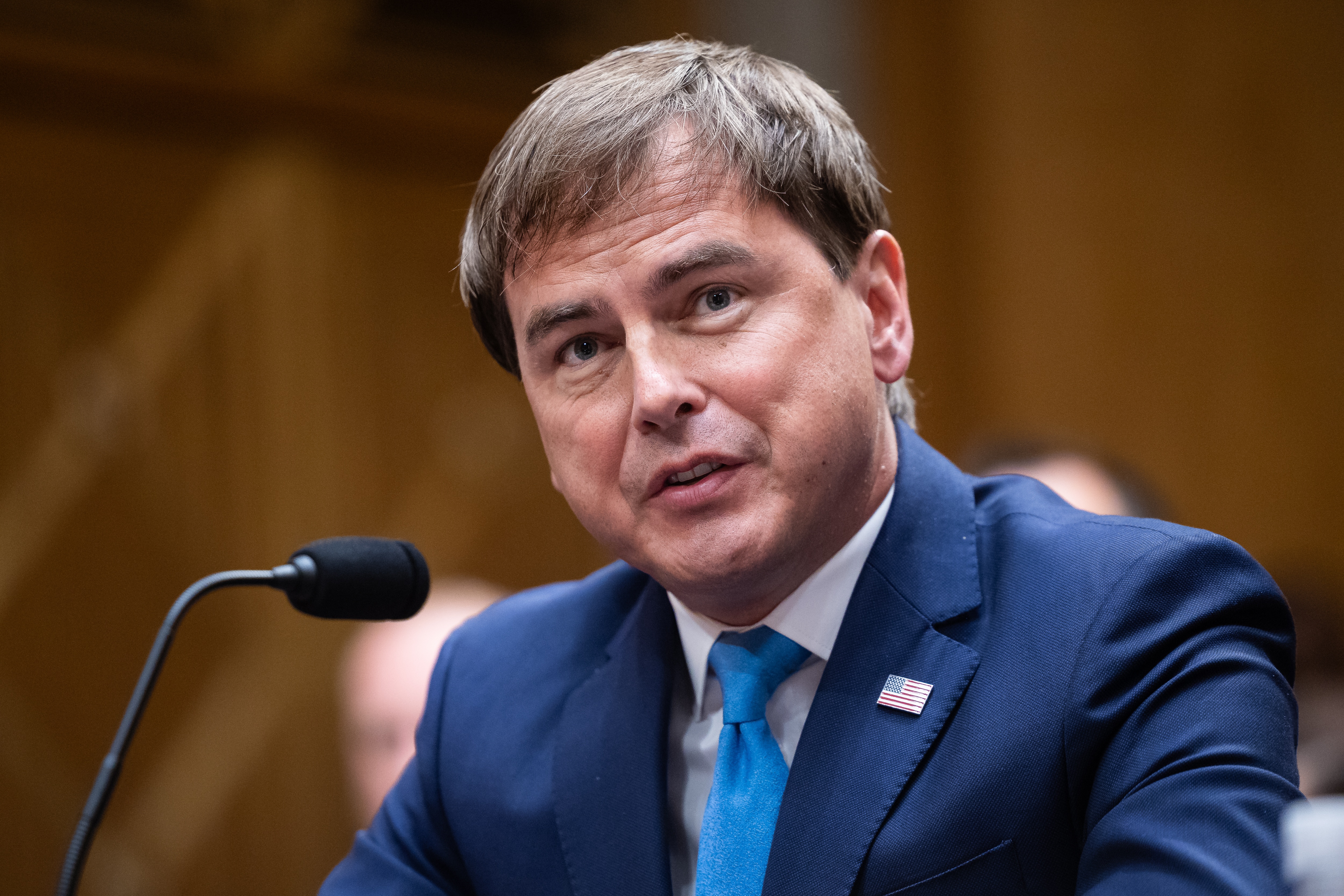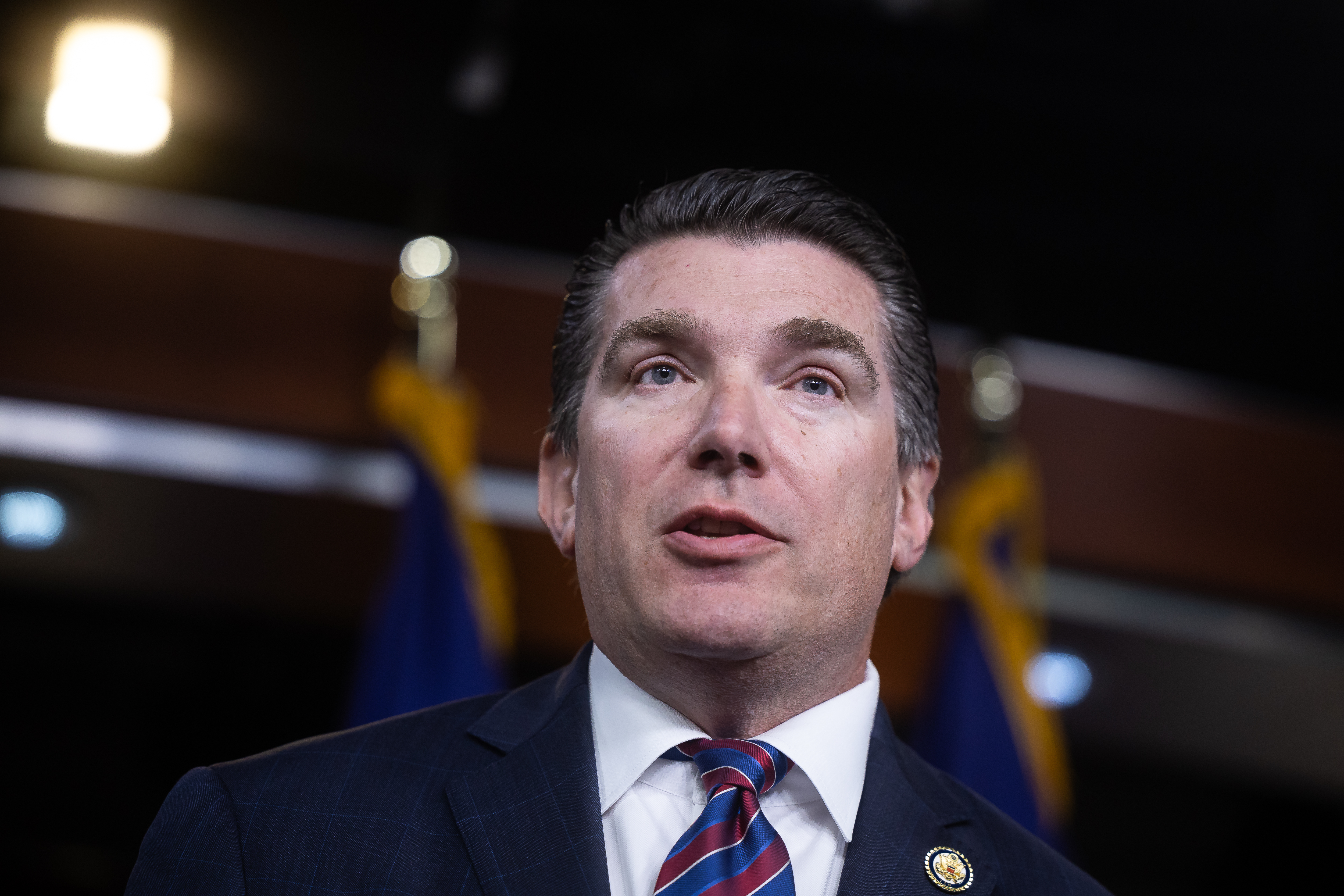
Rep. Jay Obernolte, the lead sponsor of the legislation, told colleagues that the recent breaches have "elevated the discussion" among lawmakers, shifting the political calculus from abstract theory to urgent, tangible risk.
The comments mark a notable shift in tone from Obernolte, who has spent months trying to build consensus for a bill that seeks to establish federal safety standards for AI developers. The measure, which has been a priority for House leadership, had stalled amid competing factions within the GOP conference over the appropriate level of regulatory oversight. But the recent incidents, which exposed vulnerabilities in widely used AI systems, have provided new ammunition for proponents who argue that inaction is no longer a viable option.
Obernolte's push comes as the Senate has already begun moving on its own, more stringent AI framework, creating pressure on the House to produce a counterweight before the end of the session. The congressman, who represents a district that includes tech-heavy regions of Southern California, has positioned his bill as the pro-innovation alternative, one that prioritizes voluntary compliance and industry-led best practices over heavy-handed government mandates.
The recent breaches, which have not been detailed publicly by the congressman's office, have nonetheless become a recurring topic in closed-door whip meetings. Several moderate Republicans who had previously expressed hesitation about the bill's preemption of state laws have reportedly softened their stance, viewing the federal framework as a necessary bulwark against a patchwork of conflicting state regulations that could stifle the industry.
A Narrowing Window
Leadership aides acknowledge that the path to a floor vote remains tight, with a crowded legislative calendar and a looming government funding deadline. However, Obernolte's team is arguing that the current bipartisan concern over AI safety offers a rare opening to pass a substantive tech bill in an otherwise divided Congress.
Opposition remains on both flanks. Progressive Democrats have criticized the bill for lacking enforceable liability provisions, while a small but vocal group of libertarian-leaning Republicans have balked at any new federal bureaucracy. Obernolte has attempted to bridge the gap by emphasizing that his legislation would create a clear, single point of accountability at the federal level, a message that resonates with industry stakeholders who fear a maze of conflicting state rules.
The congressman's push is also a test of Speaker Mike Johnson's ability to manage a fractious majority. A successful vote on the AI bill would hand Johnson a significant legislative win on a cutting-edge issue, but a failure would expose the limits of his coalition. Obernolte, for his part, is betting that the recent breaches have changed the conversation enough to get the bill over the line.
Whether that bet pays off will likely be determined in the coming weeks as leadership decides whether to schedule a vote. For now, Obernolte is making the case that the window for action is narrowing, and that the cost of waiting has never been more visible.