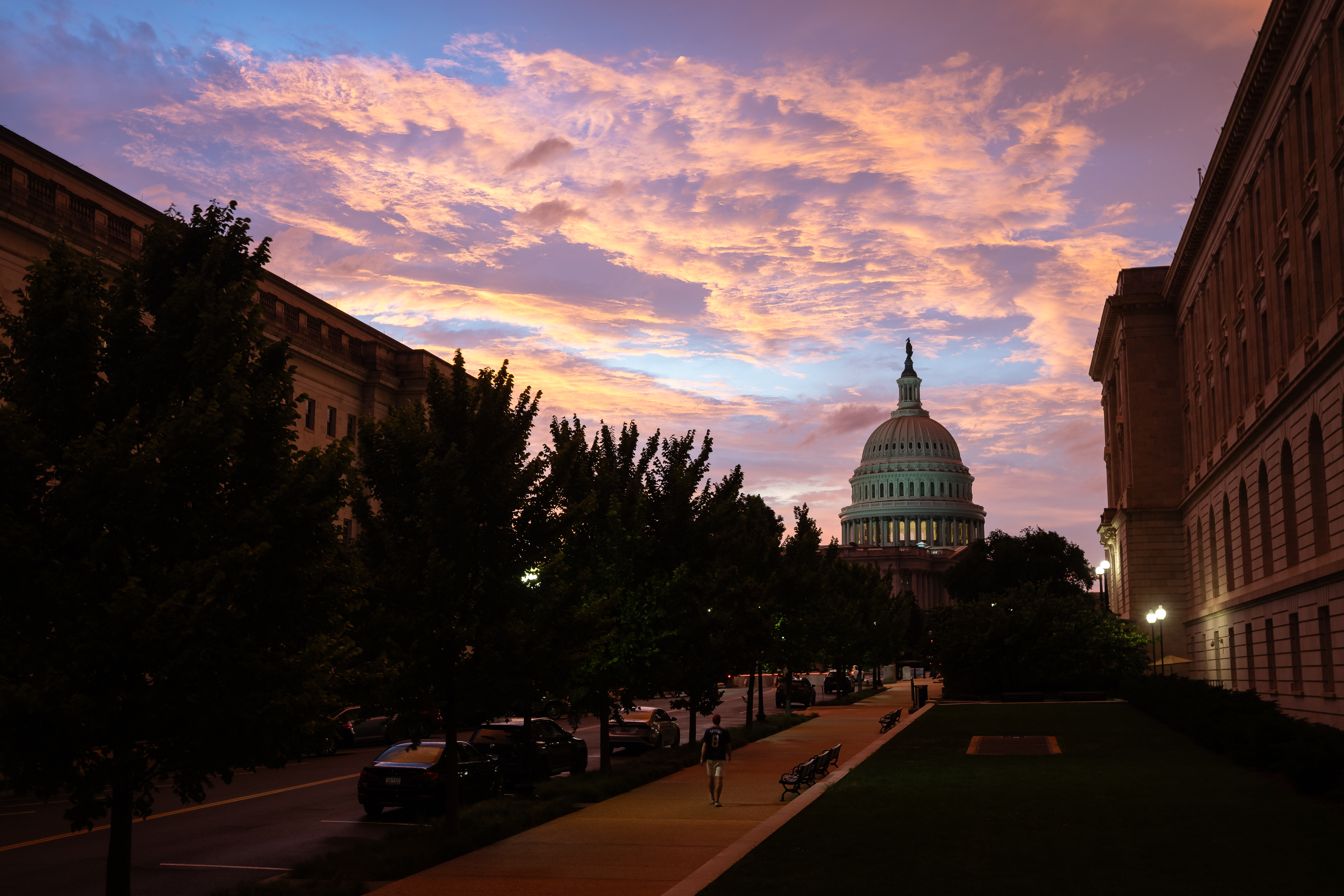
The accelerated timeline, confirmed by leadership aides, marks an unusual moment of cross-party cooperation in a chamber often paralyzed by gridlock.
The legislation, which combines tax incentives for affordable housing construction with new federal grants to local governments for zoning reform, has drawn support from both moderate Democrats and Republicans. House Speaker Pro Tempore announced the expedited schedule on Monday afternoon, citing the need to address a worsening national housing shortage that has driven rents and home prices to record highs.
Under the fast-tracked process, the Rules Committee will meet Tuesday morning to set debate parameters, with floor votes expected later that same day. If the bill passes the House, it will move immediately to the Senate, where Majority Leader has already signaled a willingness to hold a swift vote. The White House has indicated that President Biden is prepared to sign the package into law as soon as it clears both chambers.
Bipartisan Compromise Under Pressure
The bill’s rapid advance follows months of quiet negotiations between centrists in both parties, who have sought to frame housing affordability as an economic issue rather than a partisan wedge. Provisions include a 10 percent expansion of the Low-Income Housing Tax Credit and a new $5 billion fund to reward municipalities that eliminate exclusionary zoning ordinances.
Critics on the left have argued the bill does not go far enough to protect tenants from rent gouging, while some fiscal conservatives have raised concerns about the long-term cost of the grant program. Still, the legislation has avoided the kind of poison-pill amendments that have derailed previous housing efforts. Representative Maria Sanchez, a key Democratic negotiator, described the final text as “the most substantial federal housing investment in a generation.”
With the clock ticking toward a potential government funding deadline later this month, leadership in both parties is eager to clear the housing bill from the calendar. A senior Republican aide, speaking on condition of anonymity, said the accelerated timeline was partly driven by a desire to “show voters that Washington can still function on issues that matter to their daily lives.”
If passed, the bill would mark the first major federal housing policy overhaul since the Housing and Community Development Act of 1974. Advocates for affordable housing have already begun planning implementation efforts, though they cautioned that the real test will come in how quickly states and localities apply for the new grant dollars.