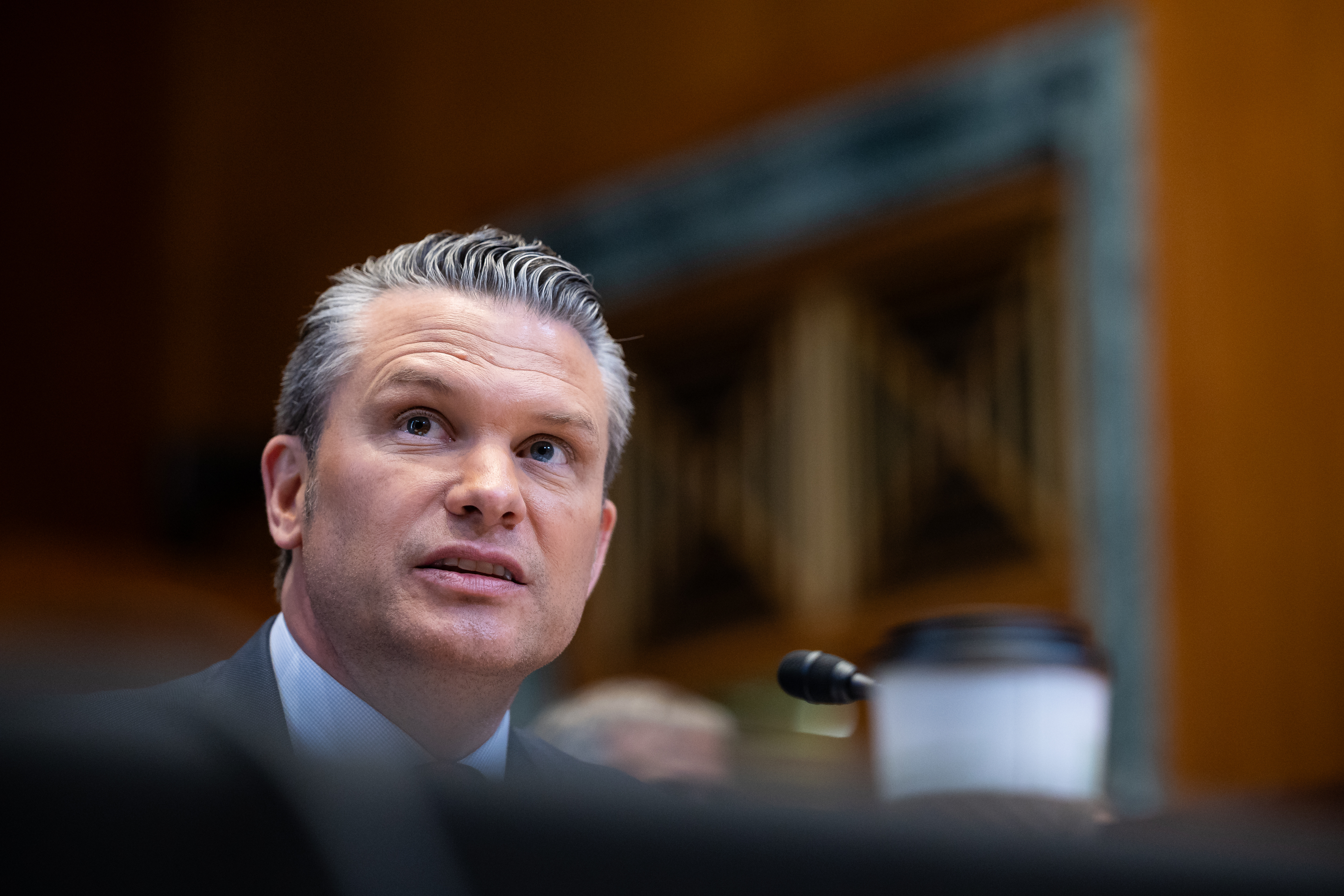
The session was scheduled to take place in the House Sensitive Compartmented Information Facility, or SCIF, a secure room designed for discussions of classified material.
The briefing comes as Republican leaders work to unify their conference around a sprawling budget blueprint that is expected to advance without Democratic support. Hegseth’s presence signals the administration’s push to align defense and national security priorities with the broader fiscal goals of the party-line package, which GOP lawmakers hope to pass in the coming weeks.
House Speaker Mike Johnson has made the budget resolution a central test of Republican cohesion, arguing it is necessary to fund key priorities including border security, energy production and military readiness. Hegseth’s briefing is intended to reassure skeptical members that the Pentagon’s needs are being addressed within the framework of the legislation.
The use of a SCIF for the briefing underscores the sensitivity of the material Hegseth is expected to present. Lawmakers were told the session would cover the administration’s strategic objectives and how they intersect with the spending levels proposed in the budget package.
Some House Republicans have expressed concerns that the party-line approach could constrain defense funding by limiting the ability to negotiate with Democrats on overall spending caps. Hegseth is expected to address those worries directly, emphasizing that the White House views the package as a vehicle to boost military investment without yielding to Democratic demands on domestic programs.
Political Stakes and Internal Divisions
The briefing also carries political weight for Hegseth, who has sought to project authority over Pentagon policy amid questions about his management style and the department’s budget priorities. His appearance before House Republicans offers an opportunity to demonstrate alignment with congressional leadership on the path forward for defense spending.
Democratic leaders have criticized the closed-door nature of the briefing, arguing that the majority is crafting major fiscal policy without transparency or bipartisan input. They have also warned that a party-line budget could lead to deep cuts in nondefense programs that they view as essential, including veterans’ health care and education funding.
With the House set to vote on the budget resolution as early as next week, Hegseth’s briefing is part of a broader administration effort to lock down support from the Republican conference. The outcome of the session could determine whether leadership can deliver the near-unanimous backing needed to advance the package through a narrowly divided chamber.