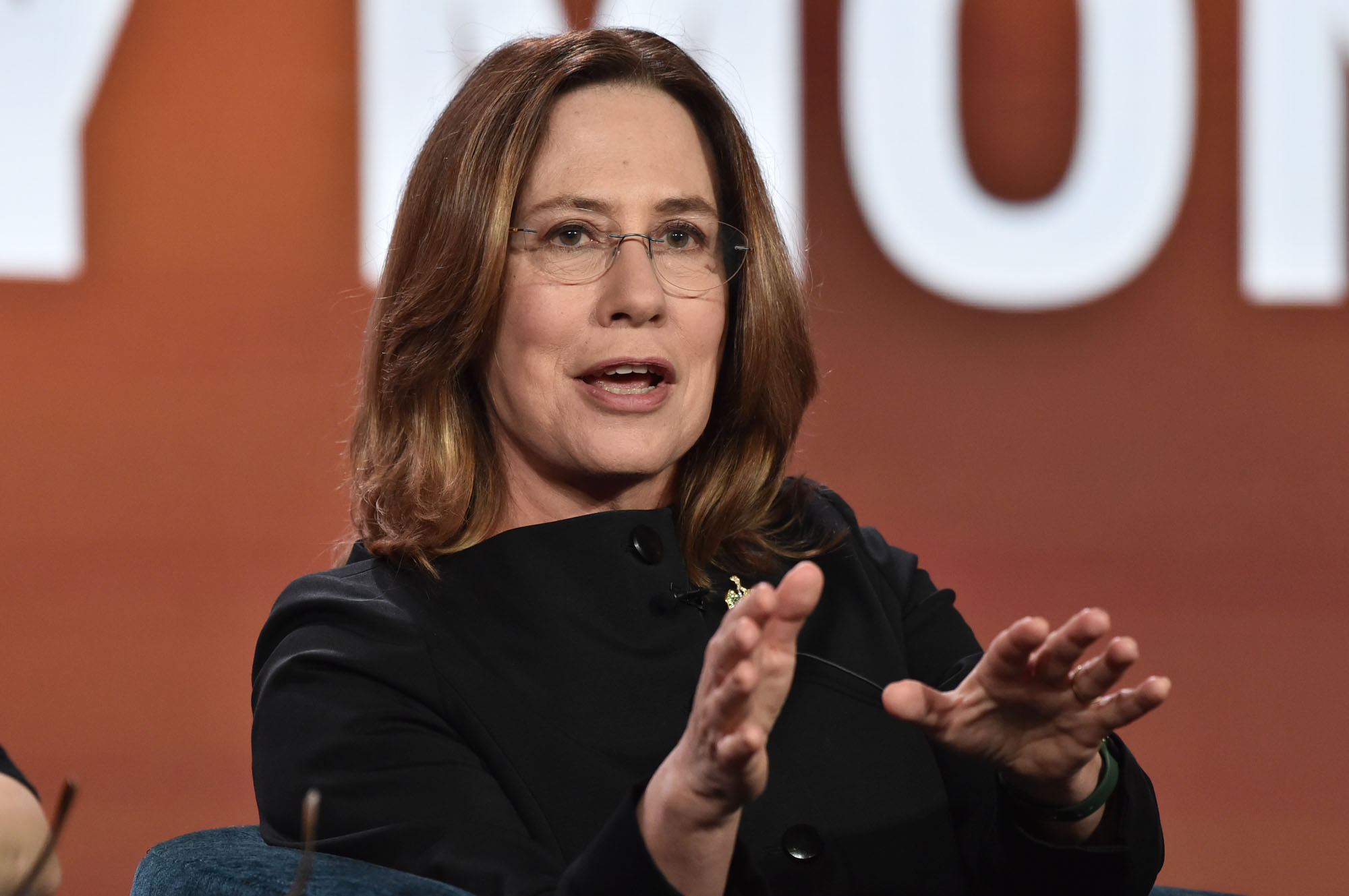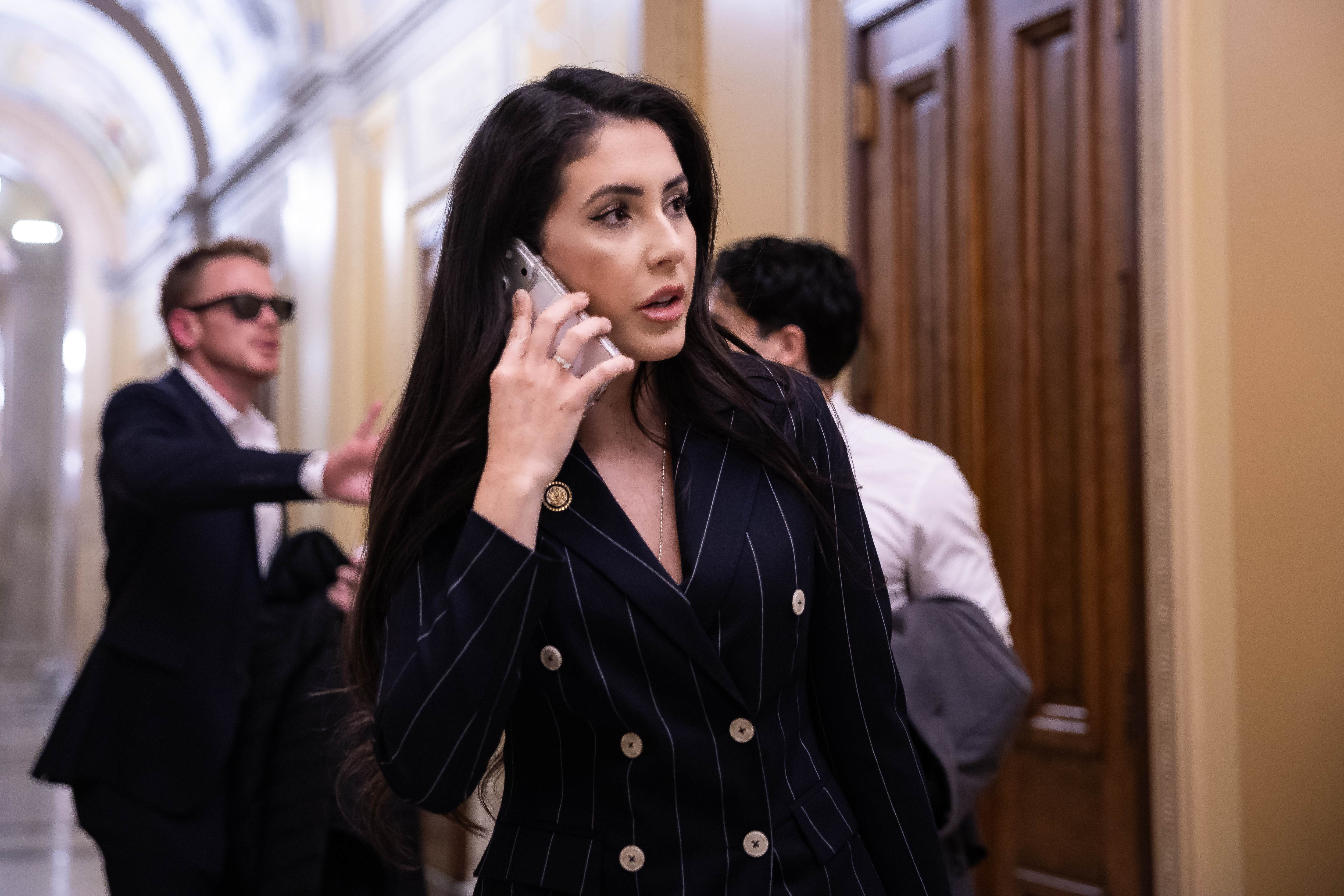
Her threat, delivered in a brief but pointed exchange with leadership, injected sudden uncertainty into legislation that had appeared headed for smooth passage.
The housing measure, which enjoys support from both parties, would authorize new funding streams for affordable housing development and streamline permitting processes in high-cost areas. But Luna’s objection is not about housing policy. She is retaliating over what she sees as leadership’s failure to bring a separate elections bill to the floor, a priority for her and a bloc of conservative members.
That elections bill, which would impose stricter voter identification requirements and limit mail-in ballot access, has stalled amid resistance from moderate Republicans and unanimous Democratic opposition. Luna and her allies have grown frustrated with what they describe as broken promises from leadership to schedule a vote.
The standoff places Speaker Mike Johnson in a difficult position. He must balance the demands of his right flank against the practical need to advance legislation that can actually become law. Passing the housing bill would give the conference a bipartisan win, but alienating Luna and her allies risks fracturing an already narrow majority.
Luna’s threat is procedural but potent. Under House rules, a single member can effectively grind floor activity to a halt by objecting to the routine unanimous consent agreements that govern debate and voting schedules. If she follows through, the housing bill could be delayed indefinitely or forced into a more cumbersome legislative path.
Bipartisan Bill Caught in Crossfire
The housing legislation was crafted over months of negotiations between centrists in both parties and had been expected to pass with broad support. Its sponsors include Representative Maxine Waters of California, the top Democrat on the Financial Services Committee, and several moderate Republicans who have made housing affordability a key issue in their districts.
Supporters of the bill expressed frustration that a popular policy measure had become collateral damage in an intraparty dispute. “This is about homes for working families, not about internal politics,” one Democratic aide said, speaking on condition of anonymity to discuss the sensitive negotiations. “It would be a shame to see it sacrificed over a fight that has nothing to do with housing.”
Luna’s office did not respond to requests for comment on whether she would accept any compromise. But her public remarks suggest she is unwilling to back down unless the elections bill receives a floor vote. With the House scheduled to recess at the end of the week, the clock is ticking for leaders to find a way forward on both pieces of legislation.