The ruling, issued by U.S. District Judge Rudolph Contreras, halts the enforcement of rules that had taken effect just weeks ago, dealing a swift and decisive blow to the public health campaign that had championed the limits as a necessary step to combat diet-related disease among low-income Americans.
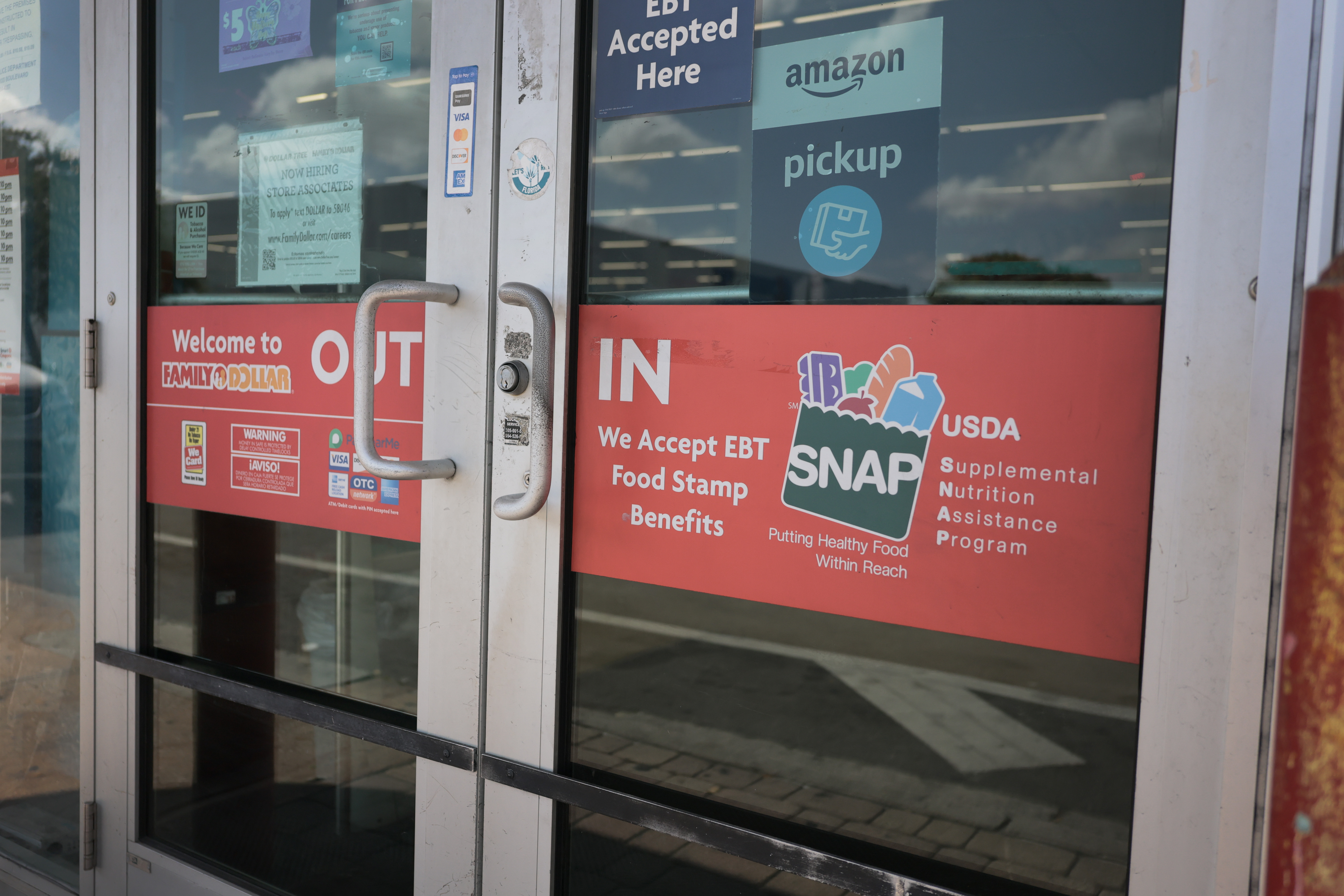
The now-vacated regulations had prohibited SNAP recipients from using benefits to buy soft drinks, candies, and other sugary products classified as “junk food” under the new standards. The rules represented the first major federal attempt to restrict purchases within the $110 billion anti-hunger program, which has long been criticized by health advocates for allowing taxpayer dollars to subsidize nutritionally empty items linked to obesity and diabetes.
Judge Contreras found that the Department of Agriculture, which administers SNAP, had overstepped its statutory authority in imposing the restrictions. In his opinion, the judge wrote that the agency lacked clear congressional authorization to define and ban specific food categories based on nutritional content, arguing that such a sweeping change required explicit approval from lawmakers rather than executive action.
The decision marks a significant setback for the Make America Healthy Again coalition, a bipartisan alliance of public health experts, anti-hunger activists, and conservative lawmakers who had pushed for the restrictions as a centerpiece of their agenda. The movement, which gained traction under the previous administration, had framed the SNAP overhaul as a rare point of agreement between fiscal conservatives seeking to reduce program costs and progressives focused on health equity.
Opponents of the junk food ban, including food industry trade groups and some anti-poverty organizations, had argued that the restrictions were paternalistic and stigmatizing toward low-income shoppers. They maintained that SNAP recipients, like all consumers, should retain the freedom to make their own dietary choices and that the program’s primary purpose is to alleviate hunger, not to dictate nutrition. The ruling largely sided with that interpretation, emphasizing the limited scope of the agency’s regulatory power.
The Agriculture Department declined to comment on the ruling, though agency officials had previously defended the restrictions as a lawful exercise of their authority to promote the health of program participants. Legal experts expect the department to weigh an appeal, though the outcome of such a challenge remains uncertain given the judge’s firm statutory reasoning.
For the Make America Healthy Again movement, the loss is particularly stinging because the SNAP restrictions had been held up as proof that meaningful dietary reform was achievable within existing federal programs. Without the court victory, the coalition now faces the prospect of starting from scratch, either by pushing for new legislation in a divided Congress or by pursuing narrower regulatory changes that might survive judicial scrutiny.
The ruling leaves the nation’s largest food assistance program operating under its previous rules, which place no restrictions on the types of food that can be purchased with benefits. For millions of SNAP recipients, the immediate effect is unchanged: soda and candy remain eligible for purchase at authorized retailers, at least until lawmakers or the administration find a legally durable path to revive the restrictions.