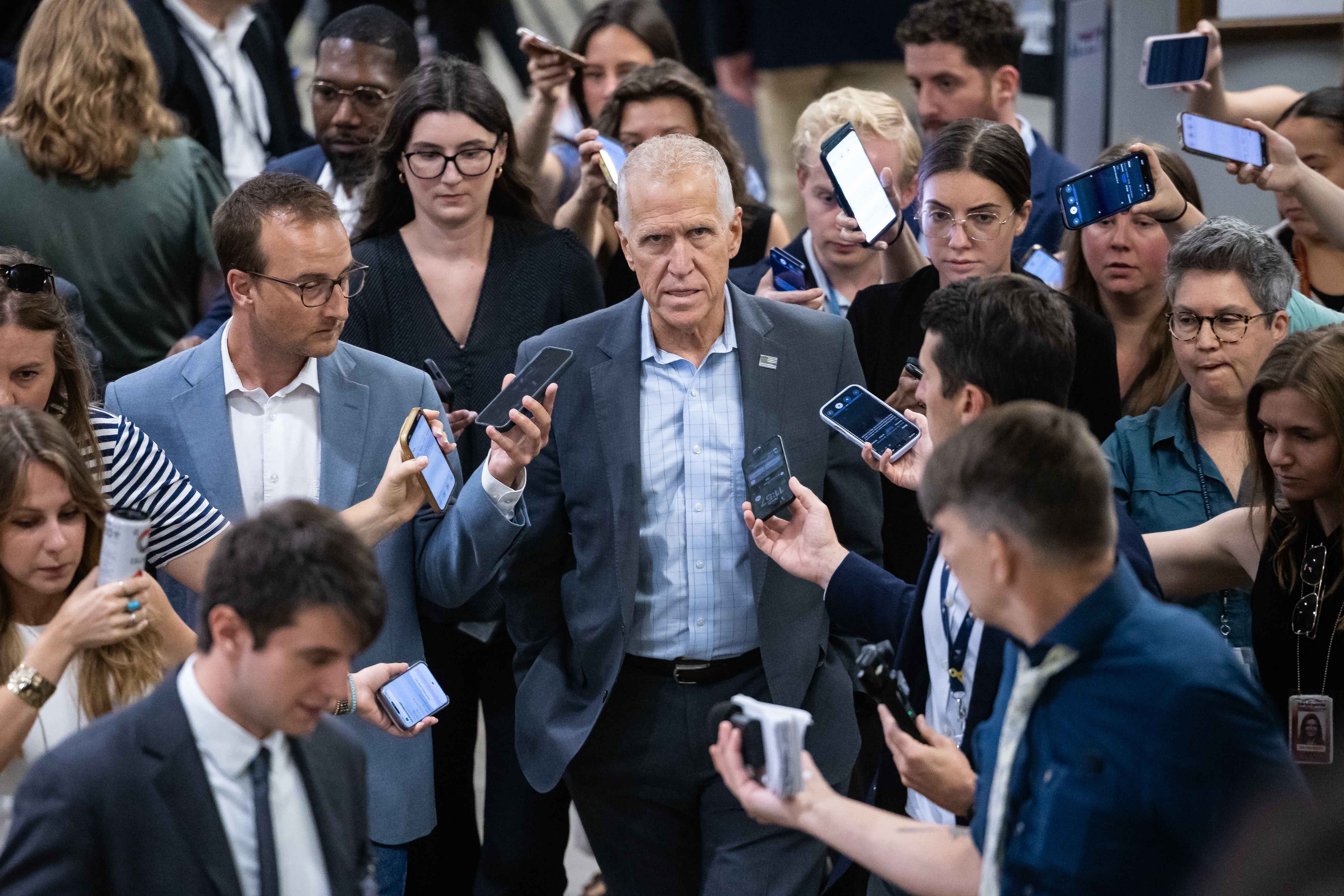
The proposal marks a significant escalation in the standoff over how to police potential conflicts of interest in the fast-moving sector.
The counteroffer, presented in recent days, is designed to address concerns that the president's financial entanglements could shape federal policy on digital currencies. It would compel the president to shed any direct or indirect investments in crypto-related ventures before the legislation could advance, the people said. The exact scope of the divestment requirement, including which assets would be covered and the timeline for compliance, remains under active negotiation.
Talks have been complicated by the fact that the president's business empire includes interests that intersect with the digital asset industry in ways that are not always transparent. Lawmakers involved in the discussions have pressed for a clear and enforceable standard, arguing that public confidence in the regulatory framework depends on the appearance of impartiality.
The ethics language is just one component of a broader legislative package that has been in flux for weeks. While there is broad bipartisan agreement on the need for federal oversight of cryptocurrencies, the details of how to structure that oversight have proven contentious. Disputes over jurisdiction, investor protections, and now presidential ethics have slowed momentum.
Supporters of the divestment measure say it is a necessary safeguard to prevent any perception that the president could use his office to benefit his personal portfolio. They point to the volatility of crypto markets and the significant policy decisions ahead, from approving new financial products to setting rules for exchanges, as reasons why a clean break is essential.
Opponents have pushed back, characterizing the requirement as an overreach that singles out the president in a way that goes beyond standard ethics practice. They argue that existing financial disclosure rules and recusal procedures are sufficient to manage any potential conflicts, and that adding a divestment mandate could set an unworkable precedent for future officeholders.
Negotiations Continue
The discussions remain fluid, with no final agreement yet reached on the ethics provisions. Both sides have signaled a willingness to continue talking, but the unresolved nature of the issue leaves the bill's timeline uncertain. Aides familiar with the talks described the atmosphere as tense but productive, with all parties aware of the high stakes involved.
Should the divestment requirement survive the negotiation process, it would mark a notable departure from how previous administrations have handled similar ethical questions. The outcome of these talks is expected to shape not only the future of crypto regulation but also the standards to which the president will be held while in office.