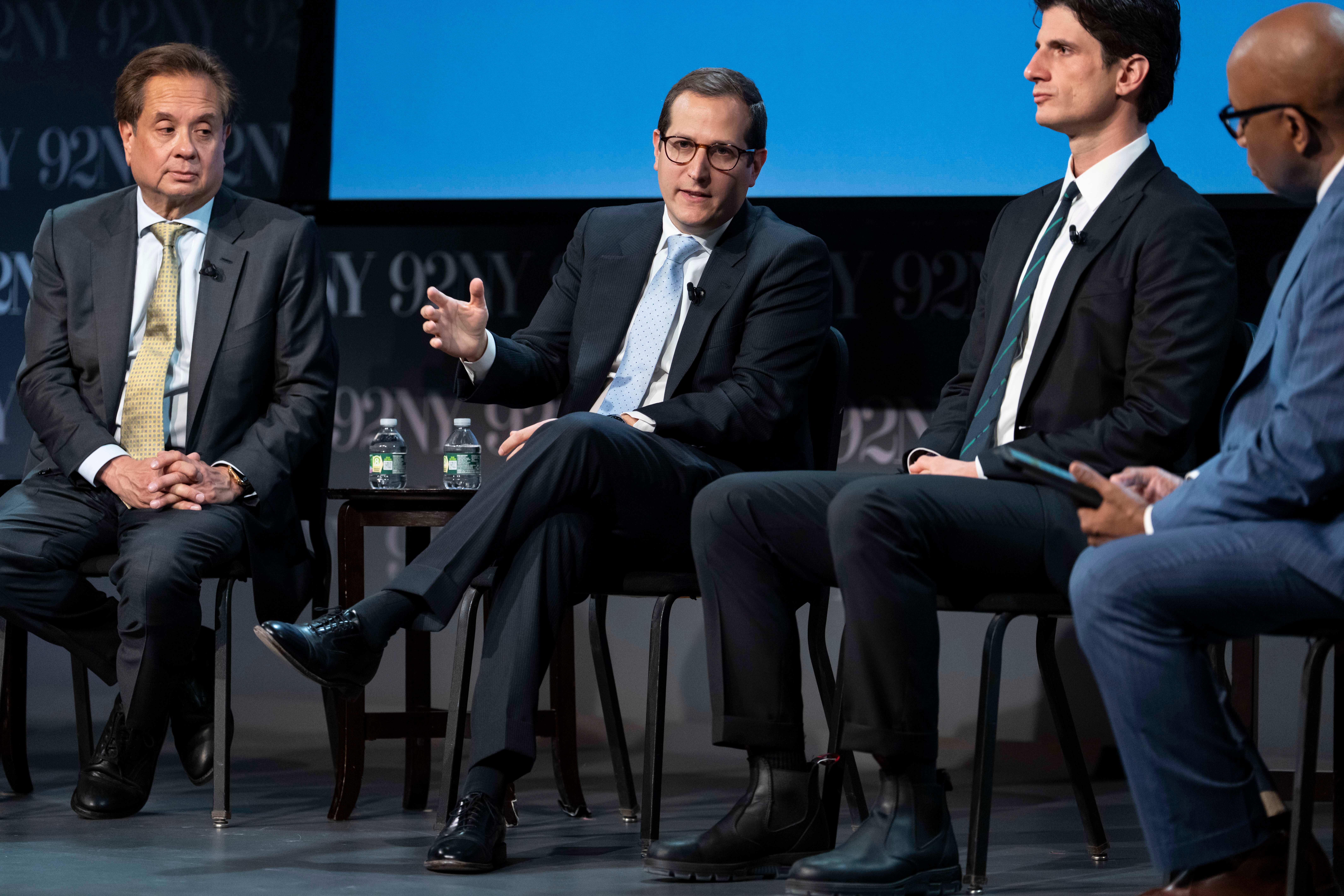
The interview, scheduled for early March, comes as part of a broader investigation led by Representative Jerry Nadler, a New York Democrat, into the Justice Department’s handling of Epstein’s 2008 federal plea deal. That agreement, which allowed Epstein to avoid serious federal charges and register only as a sex offender in Florida, has long drawn accusations of leniency and political favoritism.
Mr. Dershowitz, who represented Epstein during the 2008 negotiations, has publicly maintained that his work was strictly legal and above board. In a statement released through his attorney, he said he welcomed the opportunity to “set the record straight” and to defend his ethical conduct against what he described as a campaign of “false allegations” leveled by accusers of Epstein.
Nadler’s committee has been scrutinizing whether political connections or improper influence affected the terms of Epstein’s plea. The probe has widened in recent months to include testimony from former prosecutors and Justice Department officials involved in the original case.
The agreement with Mr. Dershowitz was reached after weeks of negotiations over the scope of the questioning. Committee aides said the interview will focus narrowly on his legal advice to Epstein and any communications he may have had with federal prosecutors during the 2006 to 2008 period.
Mr. Dershowitz has faced his own legal entanglements related to the Epstein matter. A lawsuit filed in 2019 by Virginia Giuffre, an Epstein accuser, alleged that Mr. Dershowitz participated in the abuse of minors, a claim he has repeatedly and vehemently denied. That case was settled in 2022 with no admission of liability.
The interview is not a public hearing but rather a closed-door deposition, the transcript of which the committee is expected to release. The decision to proceed behind closed doors reflects the sensitive nature of the testimony and the potential for it to touch upon ongoing investigations.
For Mr. Nadler, securing Mr. Dershowitz’s testimony represents a significant step in a yearslong effort to extract a full accounting of how a wealthy and connected defendant managed to avoid the maximum possible penalty. The committee has signaled that further witnesses may be called depending on what the interview yields.