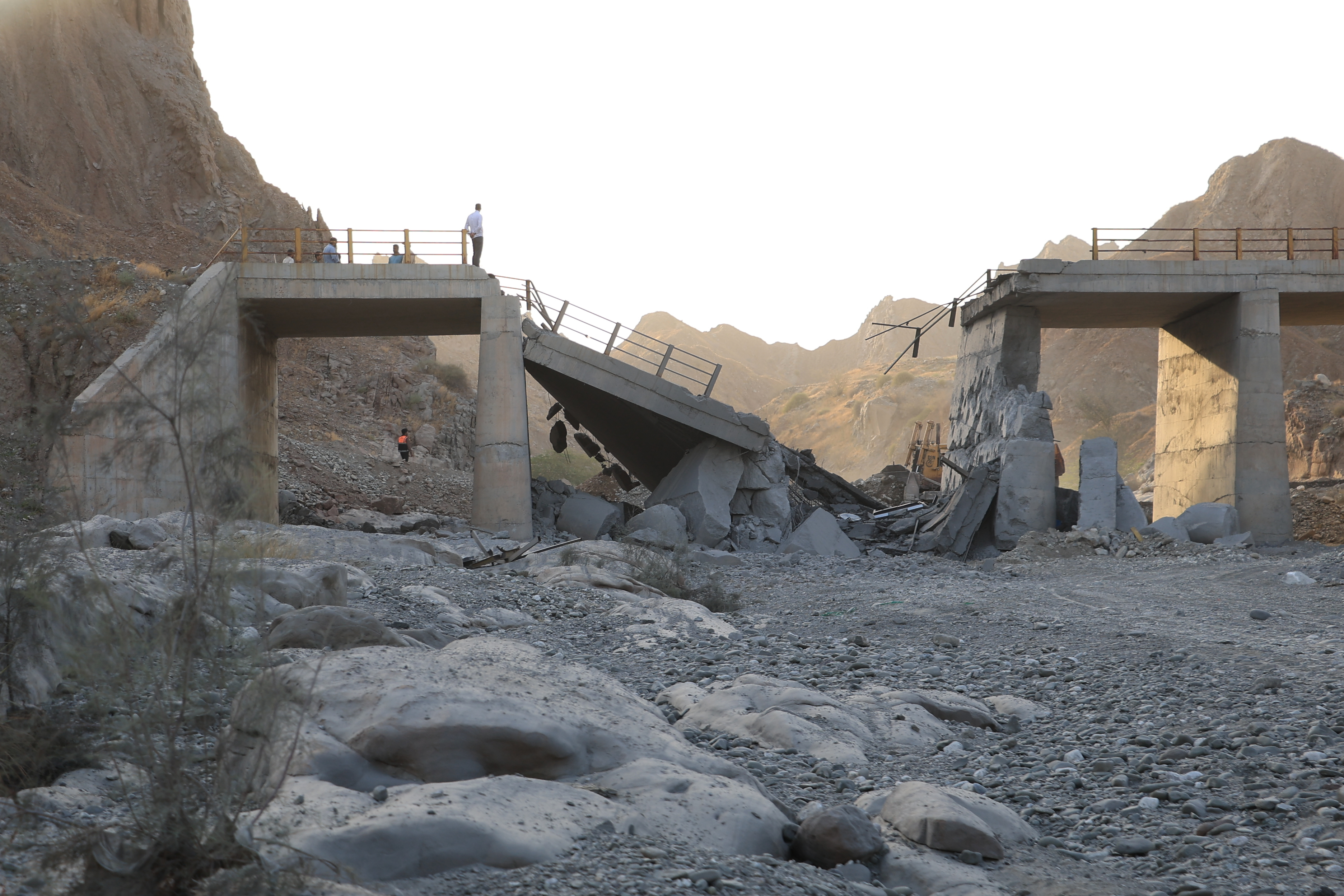
The move came just hours after the Pentagon confirmed a new round of airstrikes aimed at Iran-backed militias in Syria and Iraq, deepening fears of a wider regional conflict.
The vote, which failed along party lines, marked the opening salvo in what Democratic leaders described as a sustained campaign to use every legislative tool available to constrain the administration’s war-making authority. “We cannot simply hand over a blank check for an undeclared war,” said Representative John Garamendi of California, a senior Democrat on the Armed Services Committee, during floor debate. The effort centers on amendments to the National Defense Authorization Act that would revoke the 2002 authorization for use of military force in Iraq and impose new limits on funding for operations against Iran.
The push reflects growing alarm among Democrats that the president is edging toward a broader confrontation with Tehran without explicit congressional approval. Lawmakers pointed to the administration’s refusal to brief Congress fully on the legal justification for the strikes, which the White House has characterized as self-defense against imminent threats. “The American people deserve to know why their sons and daughters are being put in harm’s way again,” said Senator Tim Kaine of Virginia, who has long sought to repeal outdated war authorizations.
Republican leaders dismissed the Democratic maneuver as political theater that undermines U.S. national security at a critical moment. House Armed Services Committee Chairman Mike Rogers of Alabama accused Democrats of playing “dangerous games” with a bill that funds troops and modernizes military equipment. “Our adversaries are watching,” Rogers said on the House floor. “They see this chaos and they think we are weak.”
The standoff comes as tensions in the Middle East have reached their highest point since the 2020 drone strike that killed Iranian commander Qassem Soleimani. Iran has responded to the latest U.S. strikes by accelerating its uranium enrichment program and vowing retaliation through proxy forces. European allies have privately urged the Biden administration to de-escalate, but the White House has signaled no change in posture, insisting the operations are necessary to protect American personnel stationed in the region.
Procedural Hurdles and Political Calculations
Democratic leaders acknowledge that their chances of stopping the defense bill are slim in a Republican-controlled House, but they argue the fight serves a larger purpose: forcing a public debate on the scope of presidential war powers. The party is also exploring a parallel effort in the Senate, where a bipartisan group is drafting a resolution to reaffirm that Congress alone has the constitutional authority to declare war. That measure, however, faces an uncertain path to the floor given the chamber’s crowded schedule and Republican opposition.
Behind the scenes, Democratic strategists are weighing whether the protest could backfire politically, particularly among voters who prioritize a strong national defense. Yet for many in the party’s progressive wing, the calculus is simple. “If we cannot stand up to an unlawful war, what are we here for?” asked Representative Ro Khanna of California, a leading voice on foreign policy. The next test will come when the defense bill returns to the floor for a final vote, likely in the coming weeks, where Democrats will have to decide whether to oppose the entire package or accept a partial victory on amendments.