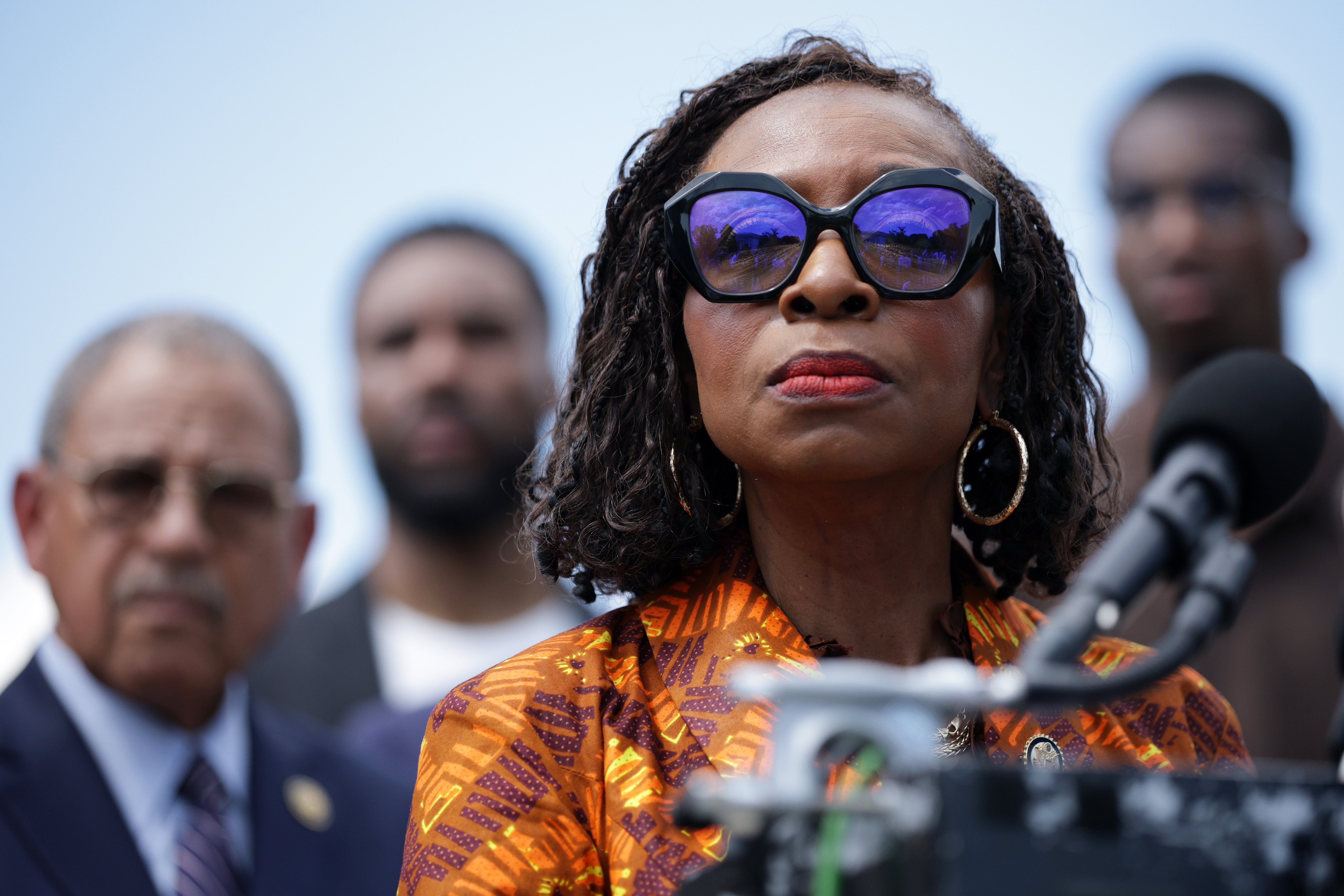
In a formal statement, CBC Chair Yvette Clarke said the conversation around the bill has "failed" to listen to Black Americans, a population that makes up a disproportionate share of athletes in the country's two highest-profile college sports.
"The people most affected by this legislation have not been meaningfully included in shaping it," Clarke said, directly challenging the framing of a proposal that has been touted by its sponsors as a necessary step toward regulating name, image and likeness rights at the collegiate level. The bill, which has moved through committee hearings in recent weeks, aims to establish a federal standard for athlete compensation, preempting a patchwork of state laws that have governed the space since 2021.
Clarke's comments signal a growing frustration among Democratic lawmakers that the technical details of the legislation, including revenue-sharing models and injury coverage, have overshadowed the civil rights dimensions of the debate. The CBC's intervention reframes the issue not merely as a matter of sports economics but as one of equity and representation, noting that Black athletes are overrepresented on the field and court while remaining largely absent from the negotiating tables where their futures are being decided.
A Question of Process and Power
The caucus's critique extends beyond the bill's substance to the manner in which it has been drafted. According to the statement, the CBC has not been consulted in a meaningful way, nor have player advocacy groups representing the interests of predominantly Black rosters been given a formal seat in the discussions. This procedural objection, Clarke suggested, has produced a proposal that risks codifying inequities rather than correcting them.
Supporters of the Protect College Sports Act have argued that a uniform national framework is needed to end the legal chaos created by conflicting state statutes, which have allowed some schools to offer lucrative deals while others struggle to keep pace. They have also pointed to provisions aimed at protecting athletes from predatory agents and ensuring educational benefits, measures they say demonstrate a good-faith effort to address long-standing grievances.
But the CBC's position underscores a deeper political fault line: whether Congress is equipped to legislate on an issue where the primary stakeholders, the athletes themselves, have little lobbying power. Clarke's statement stops short of calling for the bill's defeat, instead demanding that the process be reopened to include the voices of Black students, alumni and community leaders before any vote is scheduled.
The timing of the rebuke is notable, arriving as the bill's sponsors court bipartisan support ahead of a potential floor vote later this session. With the CBC's influence over the Democratic caucus well established, the criticism could complicate the path forward, forcing negotiators to either amend the legislation or risk losing a significant bloc of votes. For now, Clarke's message is clear: no deal is a fair deal if it is made without the people it governs.