The spending has drawn fierce criticism from several rival candidates and from Senator Chris Van Hollen, a potential 2028 presidential contender, who has accused the group of distorting the democratic process.
The Maryland contest is one of several flashpoints Tuesday as AIPAC faces its most consequential primary test of the cycle. The group has also become a lightning rod in three congressional primaries in New York City, where progressive insurgents are trying to unseat two incumbents who have been friendly to Israel and to capture an open seat. Mystery outside spending in those races has led to accusations that the group is secretly involved, though AIPAC has not confirmed any role.
The uproar has cemented AIPAC’s status as a bogeyman within a Democratic Party confronting a rising backlash to Israel and to the influence of dark money in its politics. The contests in Maryland and New York are now being viewed as major indicators of how much influence the powerful pro-Israel lobby still wields in an increasingly polarized political environment. “There’s no doubt this year has reached new levels,” said Chris Coffey, a former adviser to past New York City Mayor Michael Bloomberg who is not involved in the primaries. “It’s certainly unprecedented. It’s an issue in all of these races.”
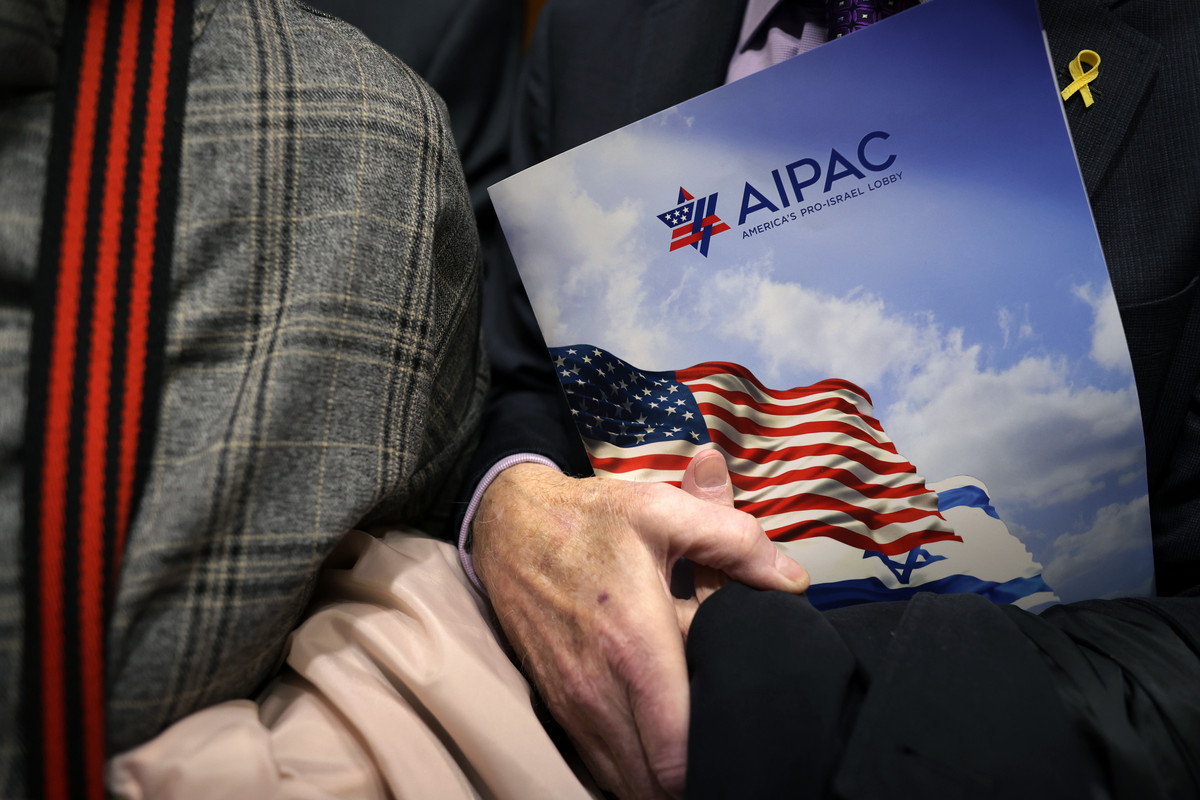
AIPAC’s super PAC, United Democracy Project, has spent more than $38 million so far this cycle through direct spending, shell PACs and donations to other groups, according to a POLITICO analysis of Federal Election Commission filings. That means the PAC has already surpassed the $26 million it spent during the 2022 election and is on track to exceed the $46.3 million it uncorked during the 2024 cycle. “Pro-Israel candidates won in the last two cycles, so now the fringe left is trying to intimidate Democratic candidates by demonizing AIPAC,” said Patrick Dorton, a spokesperson for United Democracy Project. “We are here to stay.”
Progressives have accused AIPAC of attempting to stifle criticism of Israel by conflating policy disagreements with antisemitism and by flooding races with money to defeat candidates who support conditioning aid to Israel. The group’s defenders, including some Jewish Democrats and their allies, have warned that some attacks on AIPAC cross into antisemitic territory and risk alienating Jewish and pro-Israel voters who normally lean Democratic. Dorton called criticism of the group an “insidious effort to silence pro-Israel Democratic voters in the primary process.”
AIPAC has become a stand-in for rising anti-Israel sentiment among Democrats, sparking a fierce debate within the party over the powerful lobby’s role in elections and how to approach the once-safe politics of supporting the longtime U.S. ally. The group’s spending spree has made it a central target for progressive organizers who argue that its financial firepower is distorting primary contests and chilling debate over Israel policy. Tuesday’s results will offer the clearest signal yet of whether that backlash has any electoral teeth.