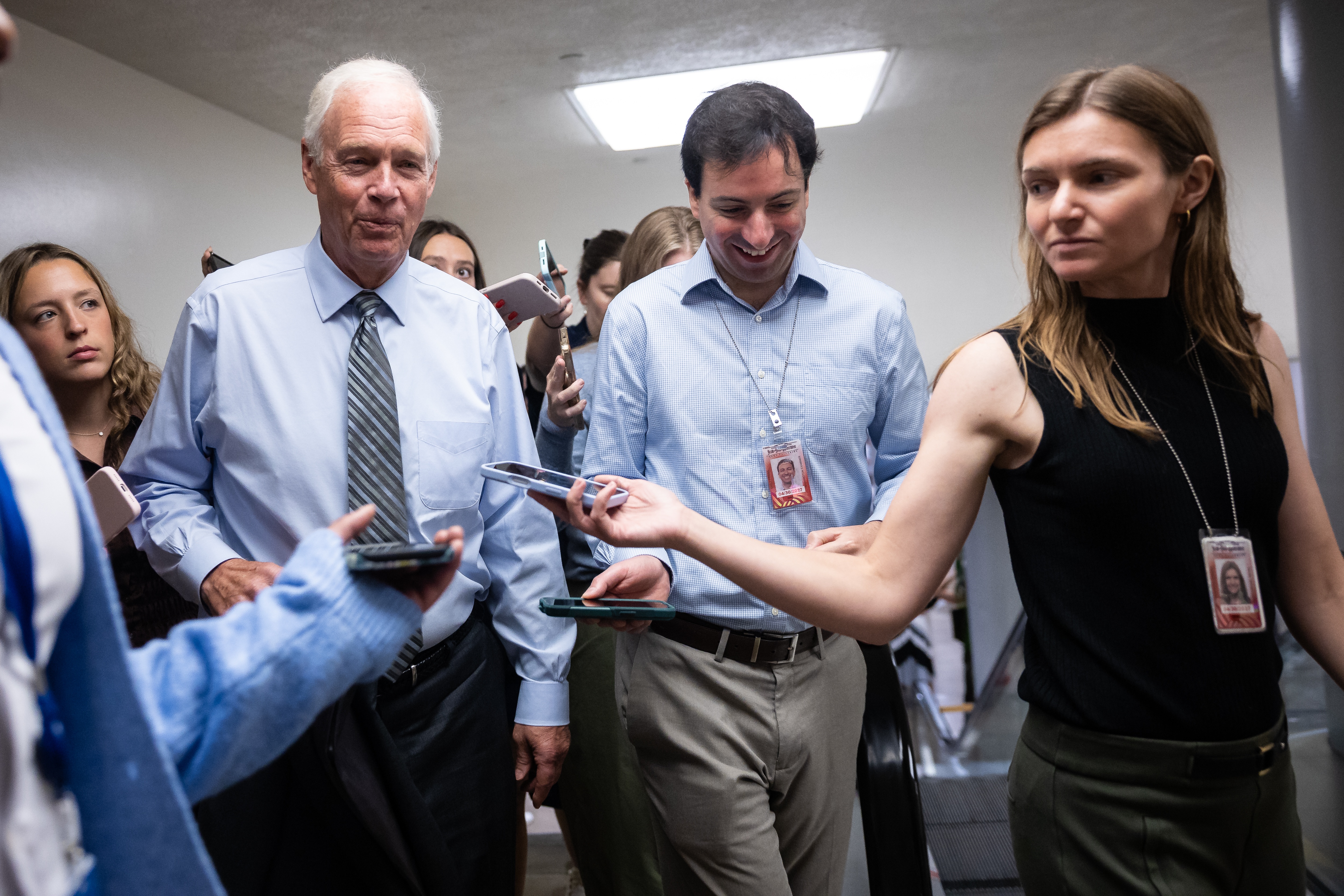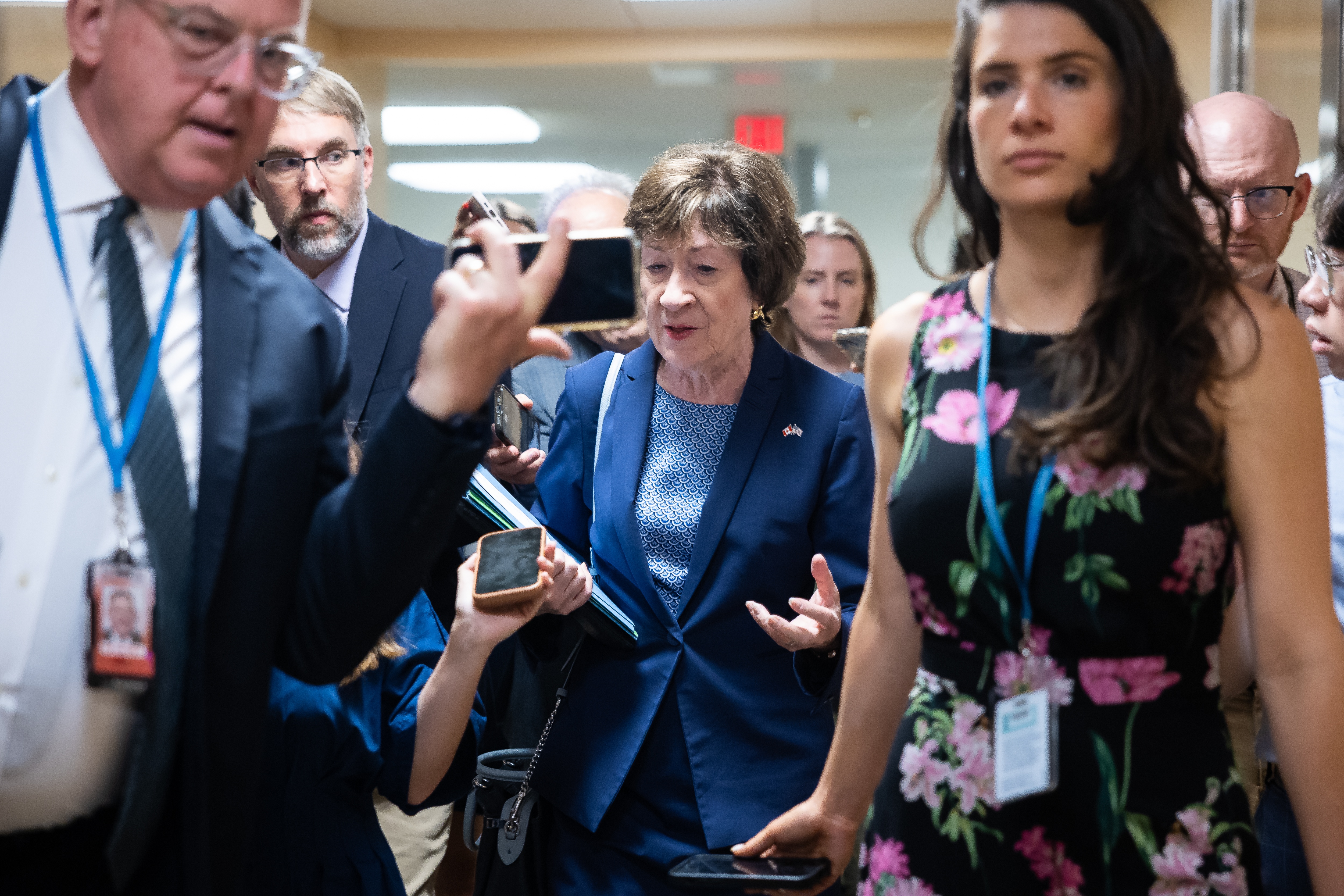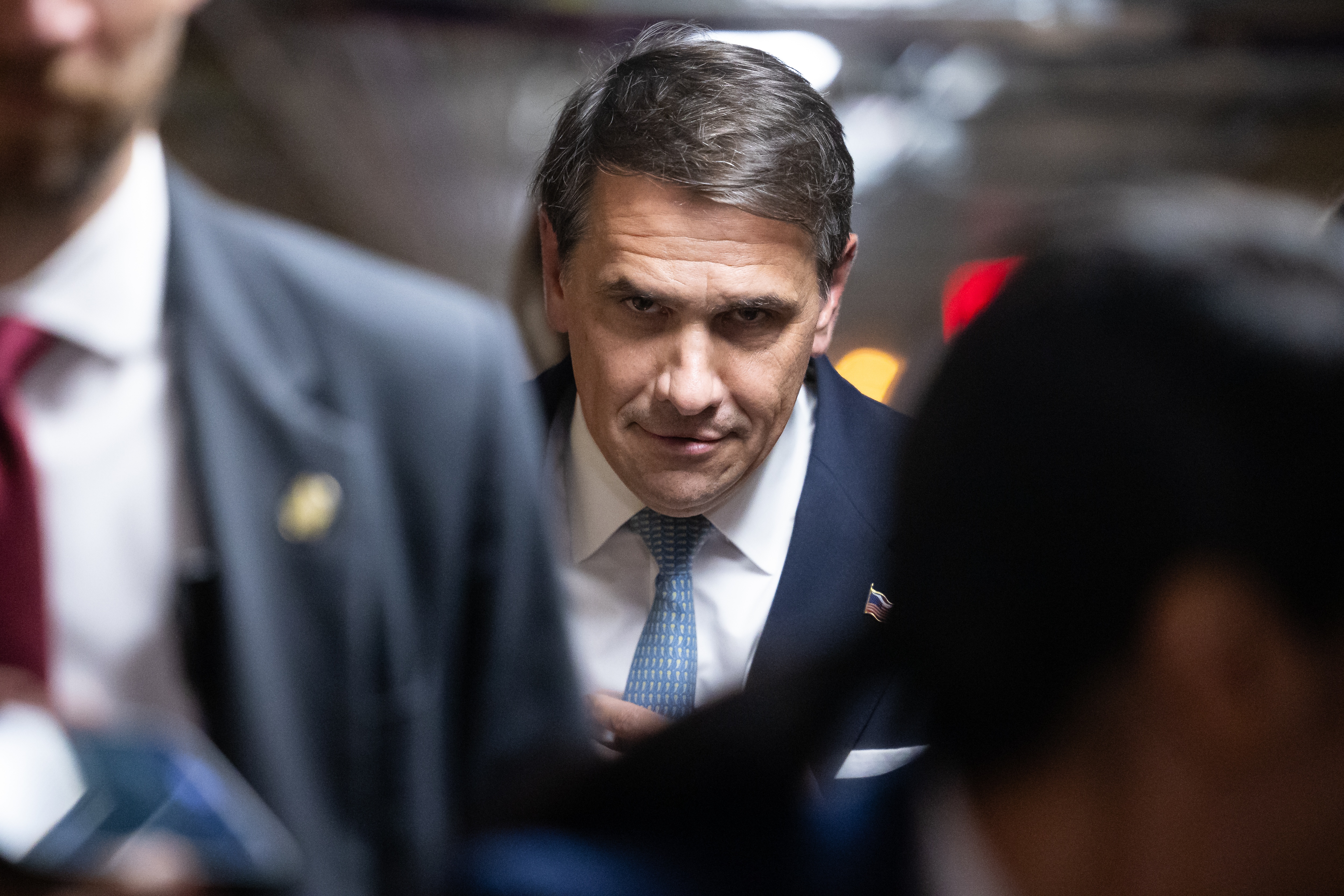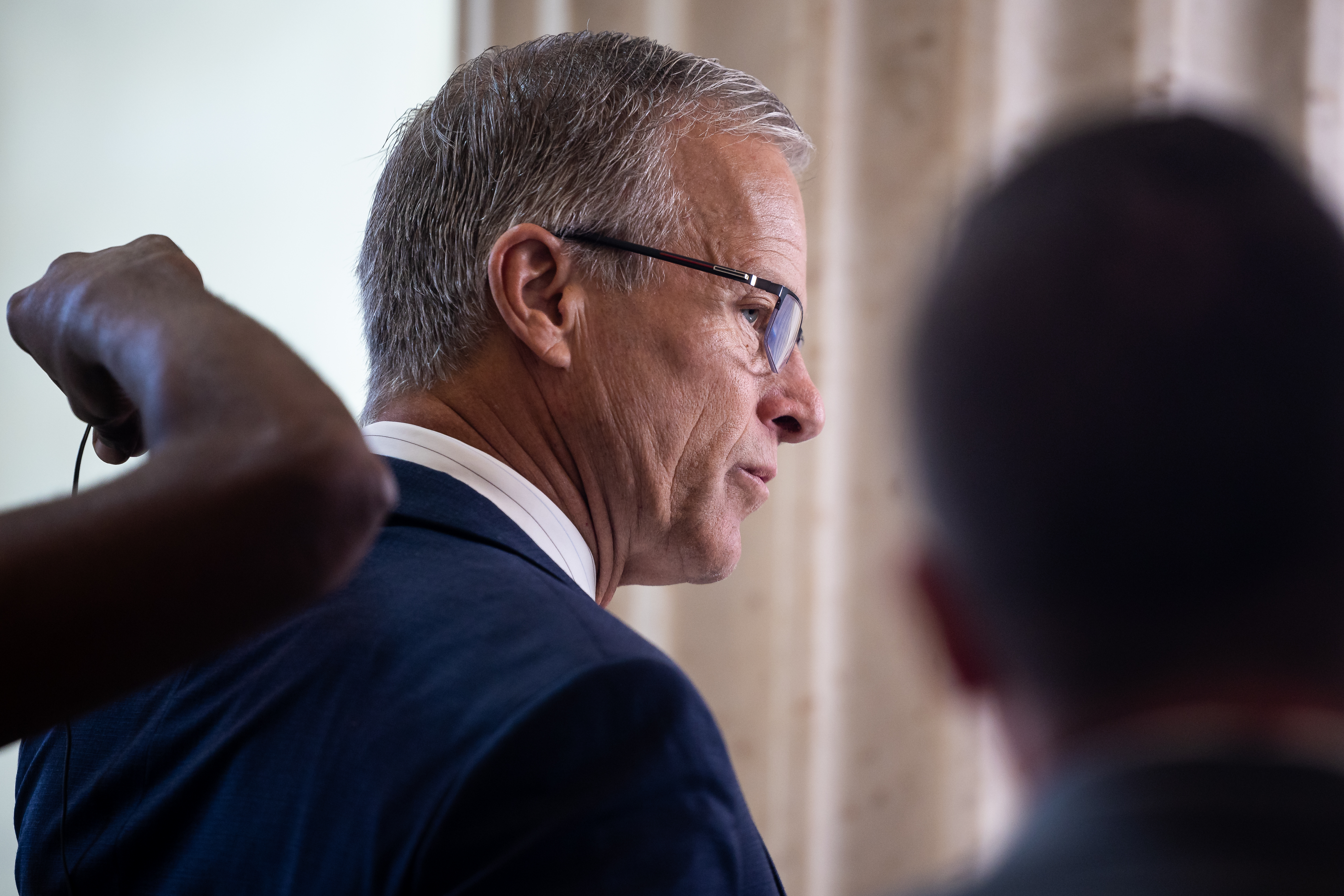
Majority Leader John Thune had signaled an ambitious target of adjourning by day's end, but a series of unresolved matters has left the chamber in a holding pattern, with staffers huddling in corridors and leadership aides shuttling between offices.
The Republican leader's push to clear the Senate before the scheduled recess has encountered procedural friction that lawmakers on both sides of the aisle acknowledge could push the chamber's departure into the evening or beyond. Several pending nominations and legislative items remain on the calendar, each carrying its own set of parliamentary hurdles that must be cleared before the gavel can fall.
At the heart of the delay are lingering disagreements over the sequencing of votes, with some senators pressing for additional floor time on specific measures before they agree to yield. Democratic staff have signaled they will not simply wave through the remaining agenda items, and multiple holds have been placed on routine requests, a tactic that can grind the chamber's work to a halt without unanimous consent.
Thune, who took the gavel with a promise to restore regular order and predictability to the Senate, now faces one of his first significant tests of floor management. His office has remained tight-lipped about the specific obstacles, but leadership aides acknowledge that the timeline is fluid and that the leader is working the phones to secure the necessary cooperation.
Procedural Logjam Tests Leadership
The situation underscores the delicate arithmetic of the modern Senate, where a single senator's objection can derail even the most carefully planned schedule. Several rank-and-file members have expressed frustration privately about the prospect of missing connecting flights or family commitments, but they have stopped short of publicly criticizing the leader's handling of the calendar.
One potential path forward involves a series of cloture votes that would limit debate on the outstanding items, a process that consumes significant floor time but ultimately forces a resolution. Another scenario has leadership striking a deal with the holdouts, trading concessions on future floor time in exchange for immediate consent on the current package.
As the afternoon wore on, the chamber's galleries remained sparsely populated, but the floor itself saw a steady stream of senators coming and going, each pausing to confer with colleagues or whisper to aides stationed at the rear rail. The clock, as always in this institution, was the ultimate arbiter, and it was not yet clear whether Thune would meet his self-imposed deadline or whether the Senate would be forced into an unscheduled evening session.
For now, the only certainty is that the recess will begin, eventually. The question of when, and under what procedural cloud, remains very much an open one, with the answer likely to emerge only after a final round of closed-door negotiations.