The decision comes as the United States grapples with soaring energy prices and geopolitical turmoil that have pushed the cost of a barrel of oil to levels not seen in years.
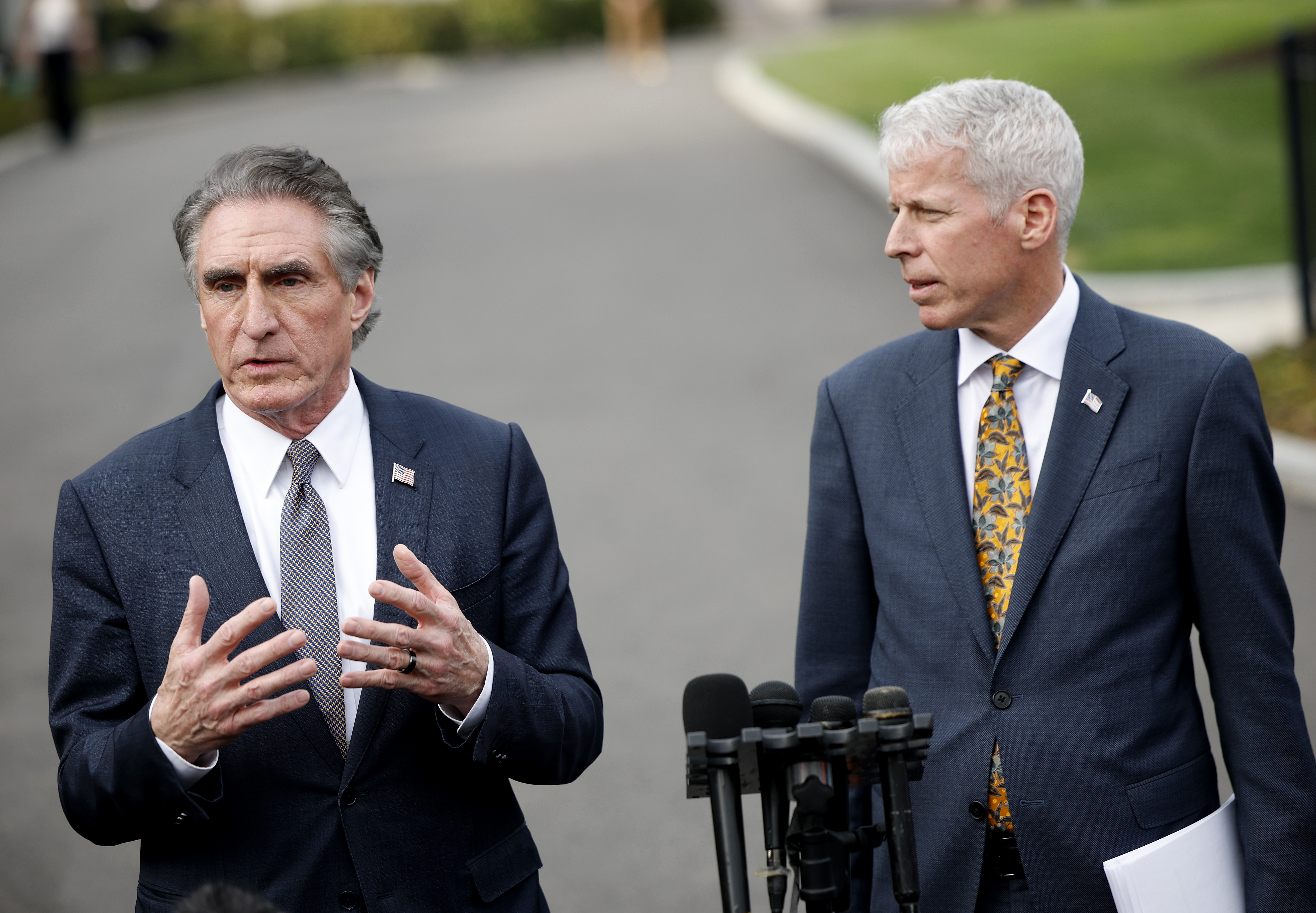
The high-level meeting, which included cabinet secretaries and major energy company leaders, centered on strategies to stabilize global markets. Officials emphasized that the administration views maintaining the flow of U.S. crude to international allies as a critical tool for ensuring global supply and undercutting adversarial states.
Market Reaction and Price Context
The price of U.S. benchmark West Texas Intermediate crude has escalated dramatically in recent weeks, crossing the $101 per barrel threshold. This marks a sharp increase from its price of approximately $67 per barrel before the outbreak of war in Eastern Europe, highlighting the extreme volatility triggered by the conflict.
An export ban, some analysts had argued, could have theoretically increased domestic supply and lowered prices for American consumers in the short term. However, the administration and industry leaders contend such a move would disrupt global contracts, harm the credibility of U.S. energy suppliers, and likely provoke retaliatory measures from trade partners.
The ruling out of this policy tool indicates the administration's preference for relying on diplomatic efforts and coordinated releases from strategic petroleum reserves to manage costs. The science of global energy markets, officials suggest, favors maintaining established trade flows during a supply crisis rather than enacting disruptive controls.
With the export ban off the table, pressure will intensify on both the White House and energy firms to demonstrate how other measures will alleviate the financial burden on consumers and businesses. The administration's stance underscores the complex balance between immediate economic relief and long-term strategic energy policy.