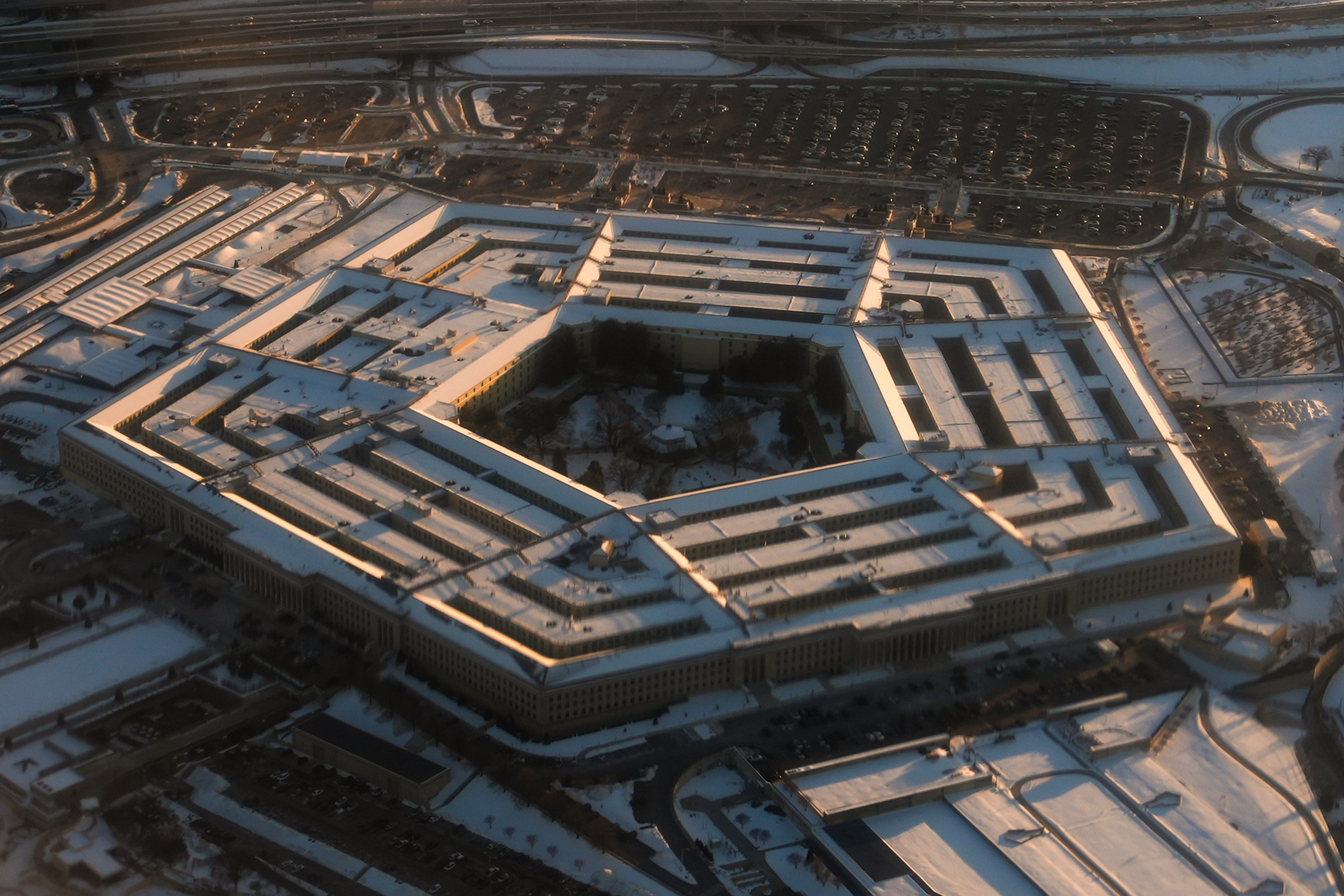
The statement, delivered to lawmakers on Tuesday, signals a significant escalation in U.S. military involvement in the region aimed at combating transnational criminal networks.
The official, whose testimony was part of a classified briefing, indicated that the scope of operations could widen considerably. Most notably, the official confirmed that the possibility of deploying U.S. ground combat forces has not been ruled out. This marks a potential shift from air and naval engagements to a more direct and risky form of intervention.
Strategic Shift and Lawmaker Scrutiny
The announcement follows a series of covert strikes targeting drug smuggling and other illicit operations along coastal waterways. While the Pentagon has characterized these as successful, the new rhetoric suggests a move toward sustained, open-ended military action rather than isolated missions.
The briefing has prompted immediate concern among members of Congress regarding the legal authorities and long-term strategy for this expanded engagement. Lawmakers are expected to demand a detailed justification for the escalation and clear boundaries for the use of force, wary of being drawn into a protracted conflict.
The evolving strategy underscores the Biden administration's designation of transnational crime as a critical national security threat comparable to traditional geopolitical rivals. However, this militarized approach is likely to strain diplomatic relations with regional partners and raise complex questions of sovereignty and collateral damage.