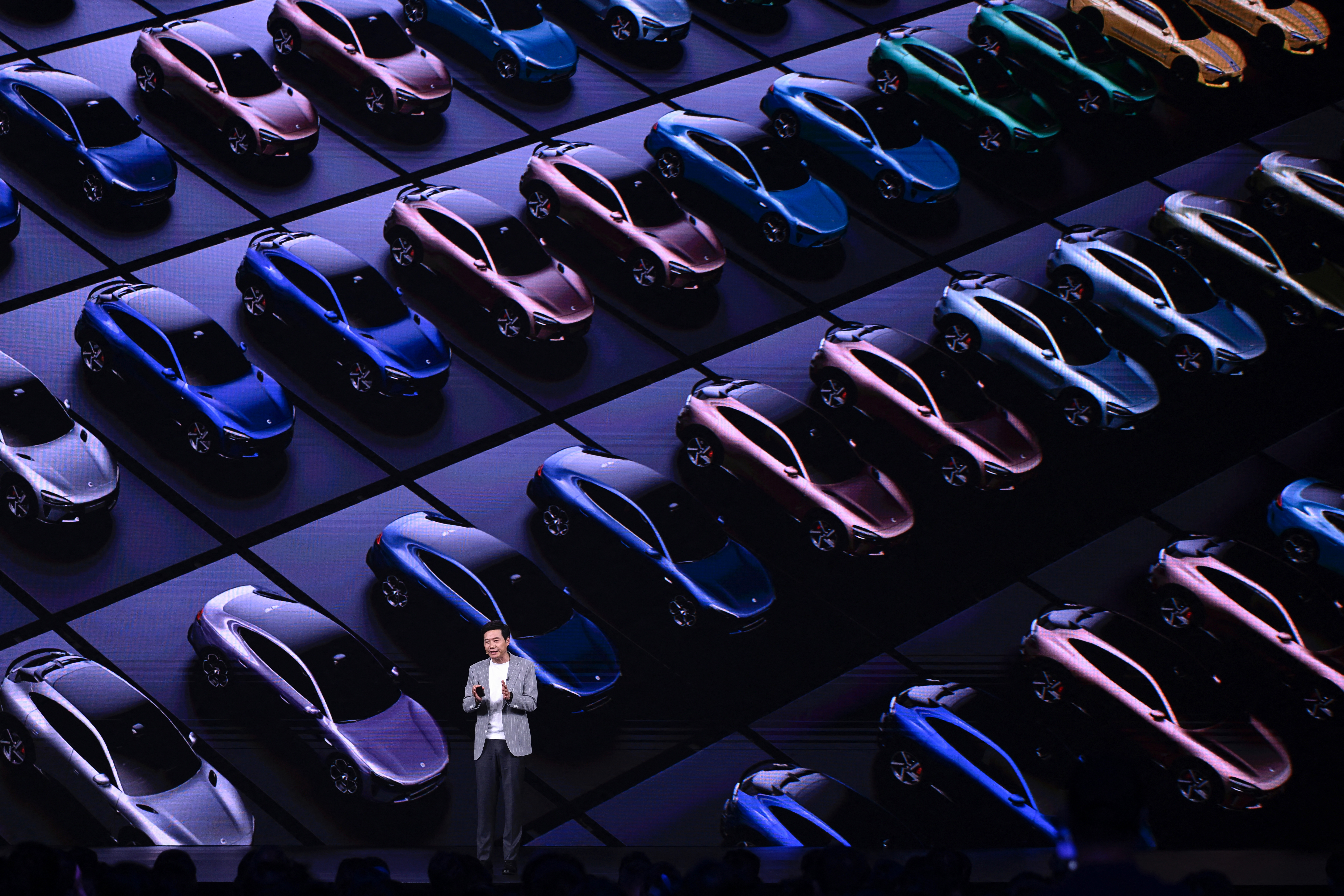
This policy shift represents a direct reversal of a years-long North American consensus that viewed these technologically advanced, low-cost cars primarily as an economic threat to domestic industries.
The decision places Canada at odds with the United States, where stringent tariffs and policy frameworks have been erected to shield automakers from Chinese competition. For years, officials in both countries have treated the influx of such vehicles as a risk to manufacturing jobs and market stability.
Market Scramble Ahead
The potential for Chinese EVs to enter the North American market through Canada introduces new complexities for the U.S. auto sector. Analysts suggest this could create a backdoor channel, challenging the effectiveness of American trade barriers and potentially depressing prices for electric vehicles across the board.
Canadian authorities appear to be calculating that access to cheaper, high-tech vehicles will accelerate their own electrification goals and benefit consumers. This pragmatic approach, however, risks creating significant friction with a key ally whose industrial policy has been defined by protectionist measures in this sector.
The long-term implications remain uncertain, but the policy divergence signals a fracturing of the unified North American front. The coming months will test the resilience of U.S. market protections and could force a reevaluation of strategy as Chinese automakers gain a new foothold on the continent.