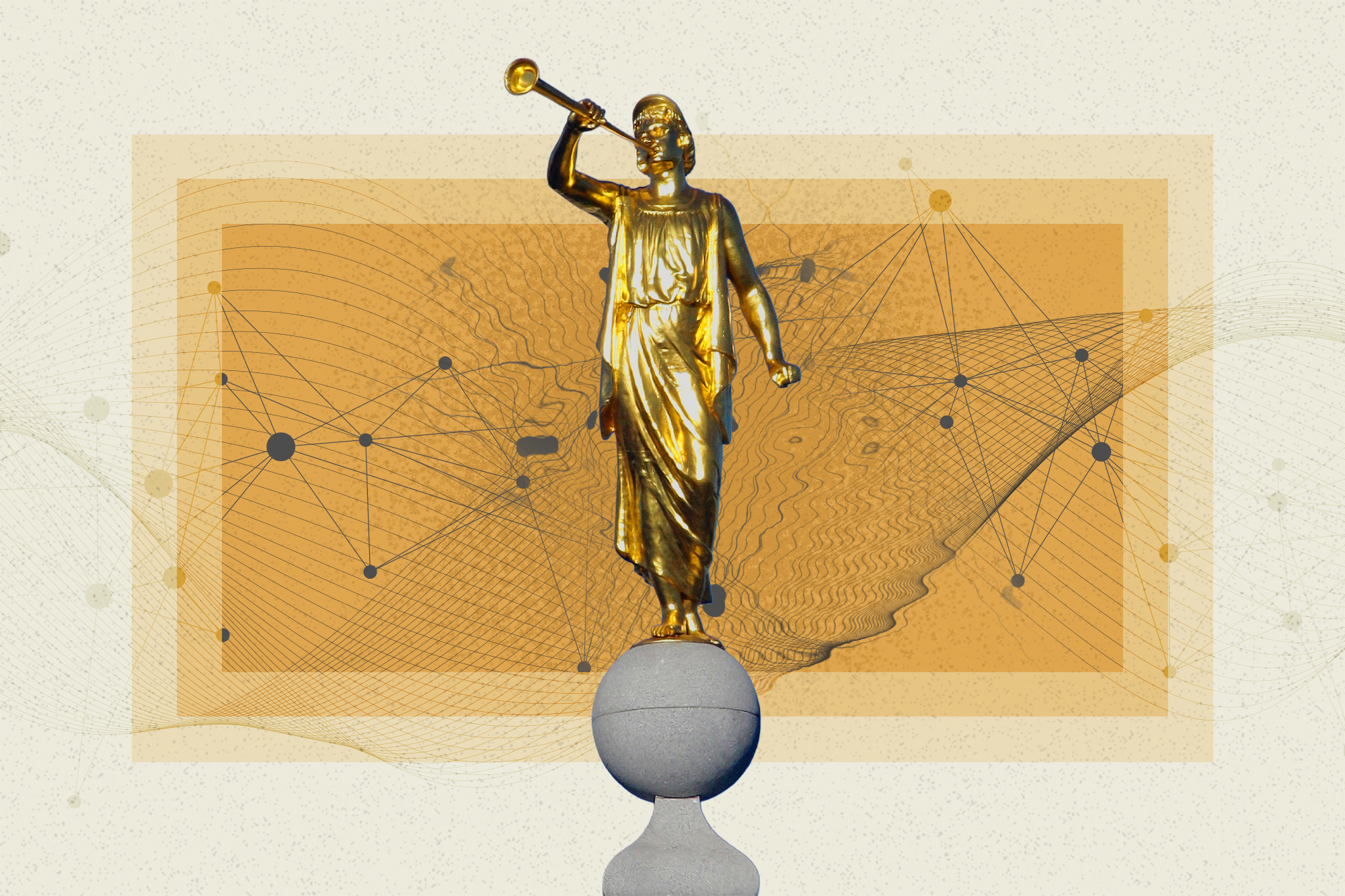
Utah has positioned itself as a critical testing ground for a uniquely conservative model of AI governance, one that reflects both its deep-red politics and the distinctive influence of The Church of Jesus Christ of Latter-day Saints.
This push places the state in direct tension with two dominant forces: the pro-deregulation stance of former President Donald Trump and the preference for light-touch rules held by Silicon Valley's major technology firms. Utah's political leadership, while broadly aligned with Trump on most issues, is pursuing a more interventionist framework aimed at preemptively managing AI's social risks.
A Framework Forged by Faith and Local Industry
The drive for state-level AI policy is not occurring in a vacuum. Analysts point to the significant role of the state's predominant religious institution, whose teachings on moral agency and ethical progress resonate with lawmakers. Concurrently, Utah's homegrown "Silicon Slopes" tech sector, which often focuses on family-friendly platforms, provides a local industry voice more receptive to certain guardrails than the broader Big Tech lobby.
The proposed regulatory vision emphasizes transparency requirements for AI systems, particularly in consumer interactions, and aims to create clear liability rules. Proponents argue this will foster innovation while building public trust, a concept deeply rooted in the state's cultural fabric.
Whether Utah's model can gain traction beyond its borders remains an open question. Its effort represents a significant experiment in whether a conservative ethos, informed by strong communal and ethical principles, can produce a viable alternative for governing transformative technology. The outcome will challenge the assumption that AI regulation is solely the domain of either Washington or corporate boardrooms.