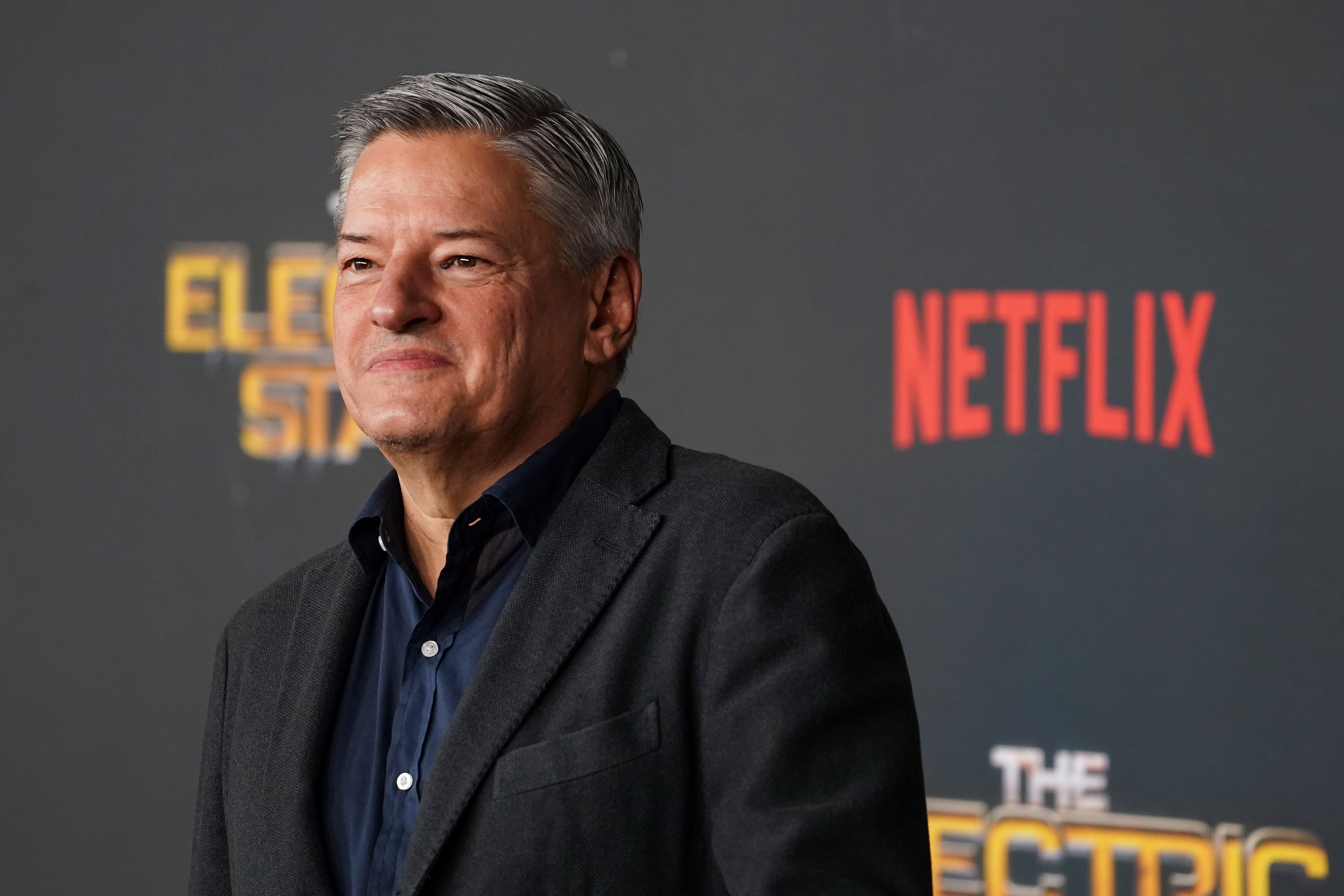
Sarandos's comments frame a pivotal moment for the company as it navigates increasing regulatory scrutiny abroad while managing a complex content strategy at home.
The executive's discussions are expected to center on Netflix's role and responsibilities within the European Union's evolving digital media framework. This comes as EU policymakers actively craft legislation aimed at creating a level playing field for streaming services, traditional broadcasters, and emerging platforms. Sarandos will likely argue for regulatory flexibility that acknowledges the unique nature of on-demand entertainment.
Content and Competition in Focus
Sarandos also addressed the broader media ecosystem, acknowledging the significant influence of platforms like YouTube. He contrasted its user-generated model with Netflix's curated, premium approach, suggesting different standards and expectations may apply. This distinction is a key part of Netflix's argument against one-size-fits-all regulation that treats all video platforms equally.
Furthermore, Sarandos touched upon the platform's handling of politically charged material, including content featuring former President Donald Trump. His remarks underscore the fine line global streaming services must walk in serving diverse international audiences with varying sensitivities, all while maintaining a coherent editorial stance. The company appears to be emphasizing a principle of creative expression within the bounds of its service terms.
The outcome of Netflix's engagement in Europe could set important precedents for how global streaming giants operate internationally. Sarandos's case will hinge on demonstrating that Netflix is a responsible industry partner committed to investing in local content and healthy competition, rather than a disruptive force requiring heavy-handed oversight.