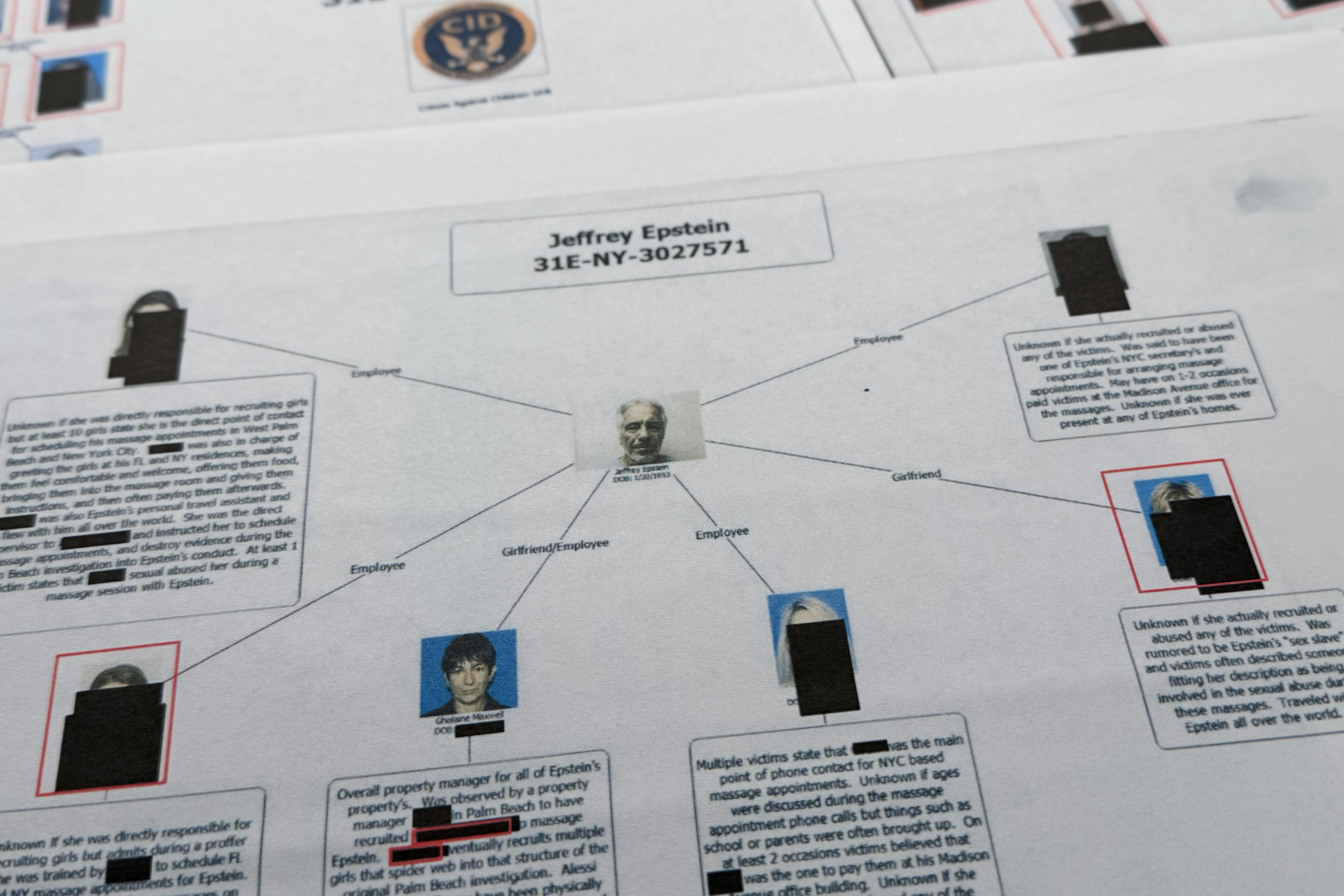
Yet, the spectacle of political upheaval and sensational headlines has obscured a more sobering reality: the likelihood of new federal charges emerging from this trove of information remains vanishingly small. The gap between public expectation and prosecutorial possibility is vast, defined by the stringent requirements of the law and the passage of time.
Federal prosecutors operate under specific legal burdens that the unsealed materials, for all their disturbing detail, may not meet. To bring new charges, the Department of Justice would need admissible evidence proving specific crimes beyond a reasonable doubt. The documents, largely consisting of depositions and exhibits from a civil lawsuit, contain allegations, hearsay, and recollections that are often years old. Translating this into the crisp, corroborated proof required for a criminal trial presents a formidable, likely insurmountable, challenge.
Furthermore, the statute of limitations is a critical, often decisive, obstacle. Many of the events described occurred decades ago, and federal statutes for most non-violent offenses have strict time limits for prosecution. While some crimes related to the trafficking of minors have longer windows, building a time-sensitive case from old, complex testimony is an enormous hurdle. The department must also consider whether potential subjects are even within its jurisdiction, as some named individuals are foreign nationals.
A Question of Will and Public Trust
Beyond the legal technicalities lies a deeper question of public confidence in the justice system. The perception that influential figures enjoy impunity is corrosive, and the department is undoubtedly aware that inaction could further erode trust. However, prosecutors are bound by ethics to only file charges they believe can be sustained in court. A failed high-profile prosecution would be seen as a greater failure of justice than a decision not to prosecute based on insufficient evidence.
The ultimate legacy of the Epstein document release may therefore be societal and political, rather than legal. It has fueled a necessary public discourse about power, abuse, and accountability. But it has also highlighted the often-frustrating limits of the law, where moral outrage and factual suspicion are not themselves crimes. The documents serve as a stark historical record, but not necessarily a direct path to a federal courtroom.