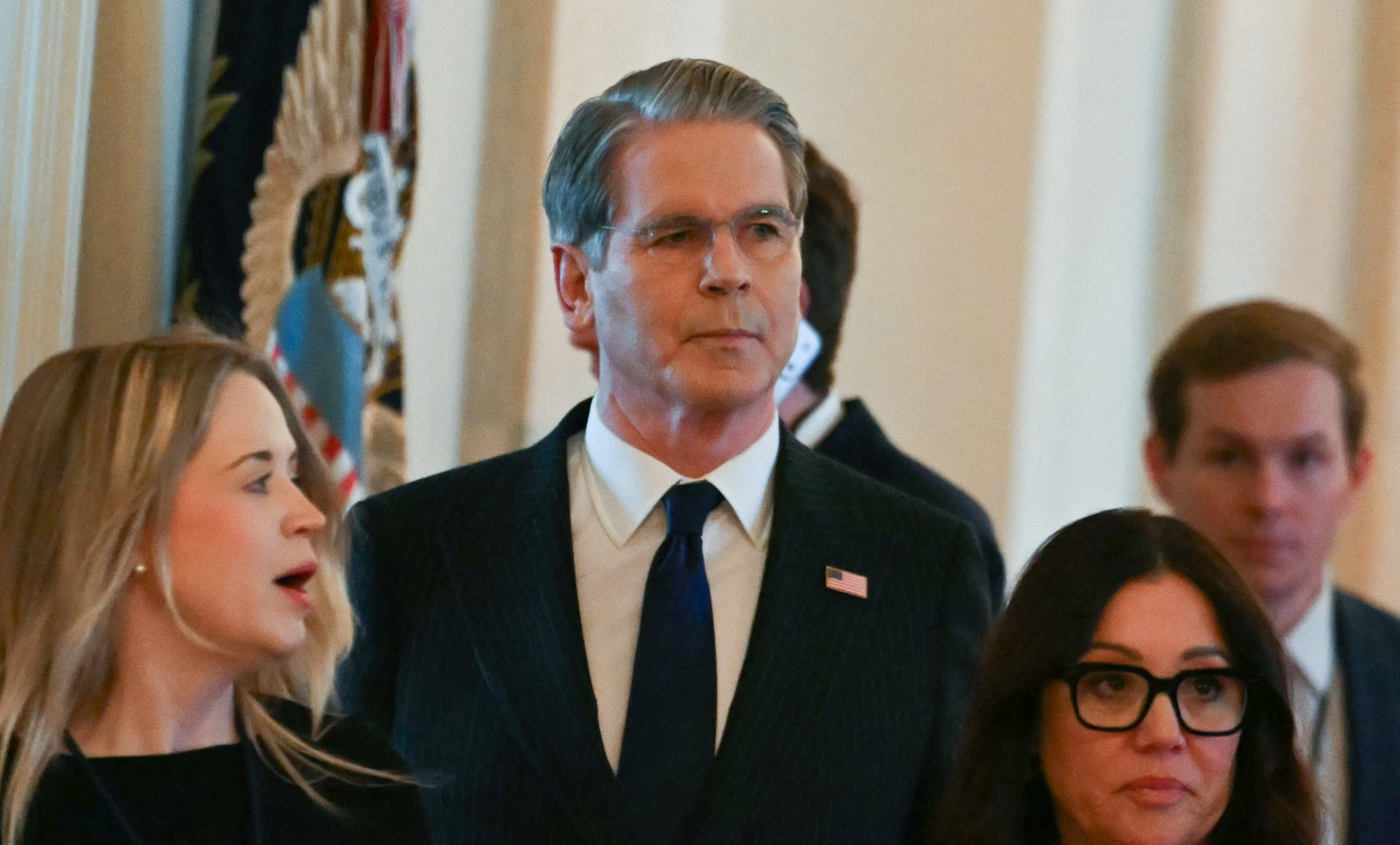
Treasury Secretary Steven Bessent stated that the administration possesses several regulatory "levers" it could pull to increase the flow of crude to world markets.
This potential move comes as ongoing conflict in the Middle East continues to disrupt oil supplies and contribute to market instability. The consideration underscores the administration's prioritization of economic stability and lowering fuel costs, even if it involves easing pressure on a longstanding geopolitical adversary.
Balancing Act Between Policy and Markets
For years, U.S. policy has centered on imposing maximum economic pressure on Iran through stringent sanctions, including those targeting its vital energy sector. Reversing course would mark a stark acknowledgment that global market forces can compel strategic recalibrations. The administration appears to be weighing energy security against its broader foreign policy objectives.
Secretary Bessent did not specify which sanctions might be eased or provide a timeline for any action. However, his comments signal to traders and allies that the United States is prepared to use its regulatory authority to prevent a sustained oil price shock. The mere suggestion of increased Iranian supply could have a calming effect on futures markets.
Analysts note that any such action would be a temporary, pragmatic measure rather than a diplomatic thaw. The focus remains squarely on mitigating the economic fallout from regional warfare, not on engaging with the Iranian government. The administration's leverage would likely involve suspending enforcement actions or issuing waivers to specific importers.